Cardiorespiratory Fitness: The Most Important Predictor of Health and Longevity You Can Improve
Cardiorespiratory fitness is a powerful, trainable predictor of longevity. Learn how improving fitness protects the heart, brain, and metabolic health.
EXERCISE
Dr. T.S. Didwal, M.D.(Internal Medicine)
5/21/202623 min read
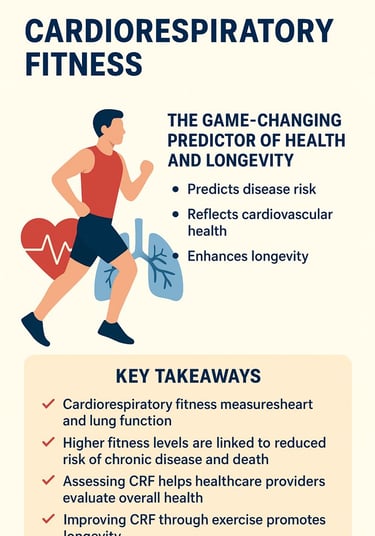
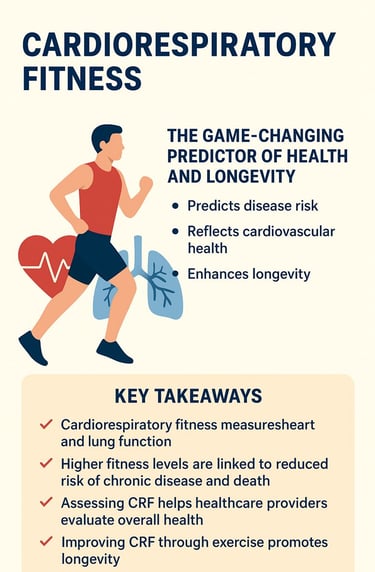
Key Takeaways
1. CRF Outperforms Traditional Risk Markers Cardiorespiratory fitness predicts your risk of death and chronic disease more powerfully than cholesterol or blood pressure alone — confirmed across 20.9 million people in 199 cohort studies (Lang et al. 2024). It is now recognised as a modifiable clinical vital sign that every physician should measure.
2. Higher Fitness = Dramatic Heart Protection A BJSM study (Liang et al.2026) found that while current guidelines (150 min/week of exercise) reduce cardiovascular risk by only ~8–9%, achieving 560–610 minutes per week can reduce heart attack, stroke, heart failure, and atrial fibrillation risk by over 30% — a finding supported by causal Mendelian randomisation analysis.
3. CRF Acts as a Shield Against Multiple Diseases Simultaneously. Higher cardiorespiratory fitness at baseline significantly reduces the risk of developing multiple chronic diseases at once — including diabetes, hypertension, and heart disease — over 15 years, independent of age and BMI (Xu et al.2025).
4. Fit Body = Sharper, Healthier Brain Better CRF is directly linked to preserved processing speed, executive function, and memory in older adults (Kałamała et al., 2025), and a 2026 Nature Mental Health meta-analysis found significantly lower risks of depression, anxiety, and dementia in higher-fit individuals (Díaz-Goñi et al., 2026).
5. Fitness Gains Protect Your Heart — Even Without Weight Loss Improving cardiorespiratory fitness reduces cardiovascular disease risk independently of weight loss (LaMonte, 2022). You do not need to lose weight first to begin protecting your heart — every aerobic fitness gain delivers direct, standalone cardiovascular benefit.
6. CRF Is Highly Trainable at Any Age. Unlike genetics, cardiorespiratory fitness responds directly and reliably to regular aerobic exercise. A JACC cohort study (Meernik et al.2026) showed that midlife CRF levels are among the strongest predictors of reaching old age free of disease, disability, and cognitive impairment — making now the most important time to start.
What Is Cardiorespiratory Fitness—and Why Should You Care?
Cardiorespiratory fitness (CRF) is the measure of how efficiently your heart, lungs, and muscles work together to deliver and use oxygen during sustained physical activity. You may also hear it called aerobic fitness, cardiovascular fitness, or VO₂ max—these terms all refer to the same underlying capacity.
Until recently, most people—and most doctors—treated CRF as a metric relevant only to athletes. That view is now thoroughly obsolete.
A landmark 2024 meta-analysis in the British Journal of Sports Medicine, pooling data from over 20.9 million observations across 199 unique cohort studies, concluded that cardiorespiratory fitness is a strong and consistent predictor of morbidity and mortality in adults—arguably more powerful than many traditional risk factors physicians have monitored for decades (Lang et al., 2024).
Put simply, how well your cardiovascular system performs under physical demand tells us more about your future health than a standard blood panel alone.
Key Takeaway: CRF is not just a fitness metric—it is a clinical biomarker of overall physiological health. Think of it as your body's report card for long-term survival.
CRF as a "Vital Sign": What the Latest Research Shows
For years, physicians measured blood pressure, cholesterol, and blood glucose to estimate disease risk. Researchers and leading cardiology bodies now argue that cardiorespiratory fitness should sit alongside these as a modifiable vital sign.
The 20.9 Million People Study
Lang and colleagues (2024) conducted the most comprehensive overview of meta-analyses ever assembled on this topic. Their findings were striking:
Low CRF was consistently associated with significantly higher risks of all-cause mortality, cardiovascular disease, cancer, and metabolic disease across diverse populations, ages, and sexes.
The relationship was dose-dependent: each incremental improvement in CRF delivered measurable reductions in risk.
CRF outperformed traditional risk stratification tools in several of the included analyses.
This wasn't a single study—it was a synthesis of the best available evidence from nearly 200 independent cohorts worldwide.
The 2026 Midlife CRF and Healthy Aging Finding
A 2026 observational cohort study published in the Journal of the American College of Cardiology (Meernik et al., 2026) followed participants longitudinally to determine how midlife CRF shapes the trajectory of aging. The researchers found that people who maintained higher levels of cardiorespiratory fitness in midlife were substantially more likely to experience "healthy aging"—defined as reaching older adulthood free of major chronic disease, disability, and cognitive impairment. This held true even after controlling for BMI, smoking, and socioeconomic status.
The practical implication: the aerobic capacity you build and maintain in your 40s and 50s may be one of the strongest determinants of what your 70s and 80s look like.
How CRF Protects Against Chronic Disease Accumulation
One of the most alarming trends in modern medicine is multimorbidity—the simultaneous development of two or more chronic conditions. Diabetes, hypertension, heart disease, and obesity rarely arrive alone; they tend to cluster and compound, each making the others harder to manage.
The 15-Year Longitudinal Evidence
A prospective cohort study published in JACC Advances (Xu et al., 2025) tracked participants for 15 years, examining how baseline CRF and CRF trajectories predicted the accumulation of chronic diseases. The findings were compelling:
Higher baseline CRF was associated with significantly lower risk of developing multiple chronic conditions simultaneously over 15 years.
CRF trajectories—whether fitness improved, declined, or remained stable—independently predicted disease burden, beyond the influence of age, sex, and BMI.
The protection appeared to operate through multiple biological mechanisms: improved vascular function, better metabolic control, reduced systemic inflammation, and enhanced autonomic nervous system balance.
Why This Matters More Than Single-Disease Prevention
Most health campaigns focus on preventing one disease at a time—"lower your cholesterol to prevent heart disease" or "eat less sugar to prevent diabetes." CRF offers something rarer: broad-spectrum, simultaneous protection against the full cascade of age-related disease. Rather than building walls against individual threats, high CRF appears to strengthen your body's entire defensive infrastructure.
CRF, Heart Health, and the Cardiovascular Disease Connection
Cardiovascular disease remains the leading cause of death globally. And while statins, antihypertensives, and aspirin therapy have important roles, cardiorespiratory fitness is increasingly recognised as an equally powerful—and underutilised—intervention.
Fitness Gains Work Even Without Weight Loss
A landmark review by LaMonte (2022) in Reviews in Cardiovascular Medicine established a finding that challenges the conventional emphasis on weight as the primary target:
Improvements in cardiorespiratory fitness reduce cardiovascular disease risk significantly, even in individuals who experience no weight loss.
This reframes the equation entirely. If you've struggled with weight management and assumed you couldn't meaningfully reduce your heart disease risk until you lost the weight, the evidence says otherwise. Every measurable improvement in your aerobic fitness delivers direct, independent cardiovascular protection—regardless of what the scale says.
The Non-Linear Dose-Response Relationship
A 2026 study in the British Journal of Sports Medicine (Liang et al., 2026) used device-measured physical activity and CRF data alongside Mendelian randomisation methods to investigate the shape of the fitness-cardiovascular disease relationship. They found:
The association between CRF and cardiovascular disease risk is non-linear—meaning the greatest gains come from moving out of the lowest fitness tier.
Even modest improvements in aerobic fitness among sedentary or low-fit individuals produce disproportionately large reductions in cardiovascular disease risk.
Mendelian randomisation analysis—which helps establish causality rather than mere correlation—supported the conclusion that the CRF-CVD relationship is genuinely causal, not just associative.
Mechanisms Linking CRF to Cardiovascular Protection
Physical activity and CRF improvement reshape cardiovascular physiology through multiple pathways (Volis & Zafrir, 2024):
Reduced resting heart rate and improved cardiac output efficiency
Lower systemic inflammation, including reductions in CRP and inflammatory cytokines
Improved endothelial function—the health of the inner lining of blood vessels
Favourable vascular remodelling: more compliant, resilient arteries
Enhanced autonomic nervous system balance, reducing dangerous arrhythmia risk
Improved insulin sensitivity and lipid profiles
The Brain-Fitness Link: Cognitive Health and Dementia Prevention
Among the most exciting developments in CRF research is the growing evidence connecting aerobic fitness to brain health. If you want to protect your mind as powerfully as your heart, building cardiorespiratory fitness may be among the most evidence-based strategies available.
CRF and Cognitive Function in Older Adults
A 2025 study published in Scientific Reports (Kałamała et al., 2025) examined the relationship between CRF, cardiometabolic health, and specific cognitive abilities in cognitively healthy older adults. Key findings:
Higher CRF correlated with better processing speed, executive function, and working memory—the cognitive domains most vulnerable to age-related decline.
CRF and cardiometabolic health were associated with distinct cognitive profiles, suggesting they act through complementary pathways.
The cognitive benefits of CRF were observable even in individuals without cognitive impairment, reinforcing the importance of prevention rather than intervention.
Arterial Stiffness, Cerebral Blood Flow, and Dementia Risk
Breidenbach and colleagues (2025), publishing in Alzheimer's & Dementia, investigated a precise mechanism connecting fitness to brain health. Arterial stiffness—the gradual loss of blood vessel elasticity that accelerates with aging—impairs cerebral blood flow and is a recognised risk factor for cognitive decline and dementia.
Their finding: cardiorespiratory fitness modifies the relationship between arterial stiffness and cerebral blood flow, independent of physical activity levels. In other words, it is the quality of your fitness—your aerobic capacity—rather than simply how many steps you take, that maintains the vascular elasticity essential for adequate brain perfusion.
This reveals an elegant protective mechanism: build and maintain CRF → preserve arterial flexibility → sustain healthy cerebral blood flow → reduce dementia risk.
CRF and Mental Health: New 2026 Evidence {#mental-health}
Physical and mental health are inseparable, and cardiorespiratory fitness now has rigorous evidence linking it to both.
A Systematic Review and Meta-Analysis in Nature Mental Health
A 2026 systematic review and meta-analysis published in Nature Mental Health (Díaz-Goñi et al., 2026) examined the relationship between CRF and the risk of mental health disorders and dementia across a large body of literature. This was among the most rigorous analyses of its kind. The key conclusions:
Higher cardiorespiratory fitness was associated with significantly lower risk of depression, anxiety disorders, and dementia.
The relationship demonstrated a protective dose-response pattern: higher CRF levels conferred greater risk reduction for mental health disorders.
The findings supported a causal interpretation, not just correlation.
This adds a powerful new dimension to the argument for prioritising aerobic fitness. When you improve your CRF, you are simultaneously investing in your psychological resilience and your long-term cognitive integrity.
How CRF Is Measured in Clinical Practice
Understanding how clinicians measure cardiorespiratory fitness helps you know what to ask for and how to track your progress.
Gold Standard: Cardiopulmonary Exercise Testing (CPET)
CPET directly measures VO₂ peak—the maximum volume of oxygen your body can use per minute per kilogram of body weight—while you exercise on a treadmill or cycle ergometer with a metabolic analyser. It is the most precise method and is used for risk stratification in patients with cardiovascular or pulmonary disease.
Routine Clinical Practice: MET-Based Treadmill Tests
In most clinical settings, CRF is estimated during standard exercise stress tests by the maximum METs (metabolic equivalents) achieved. METs are a well-validated, practical proxy for VO₂ max and have strong predictive power for all-cause and cardiovascular mortality.
MET Level (Peak Exercise) CRF Category Approximate Health Implication < 5 METs Low High risk; strongest predictor of poor outcomes 5–8 METs Moderate Average risk for most age groups 8–11 METs Good Below-average disease risk > 11 METs Excellent/Elite Lowest disease risk and mortality
Note: Reference ranges vary by age and sex. Consult your physician for personalised interpretation.
Submaximal and Field Tests
For individuals who cannot safely perform maximal exercise, several validated alternatives exist (Pansuriya & Pandya, 2025):
Six-Minute Walk Test (6MWT): Distance walked in 6 minutes; widely used in clinical settings for older adults and cardiac/pulmonary patients.
Step tests: Heart rate response to a standardised stepping protocol.
Submaximal cycle ergometer tests: Estimate VO₂ max from heart rate at standardised workloads.
Non-exercise estimation models: Algorithms using age, sex, resting heart rate, and self-reported activity level to estimate CRF without any testing—useful for large population screening.
At-Home Proxy: The "Talk Test" and Resting Heart Rate
While not clinical measurements, two practical proxies give you directional information:
Resting heart rate: A lower resting heart rate (especially below 60 bpm) generally reflects better cardiovascular efficiency. Track it over months of training.
The Talk Test: At moderate intensity, you should be able to speak in full sentences but not sing; at vigorous intensity, you should only manage a few words at a time.
Evidence Summary: Key Studies at a Glance
Lang et al. (British Journal of Sports Medicine, 2024)
Population: Over 20.9 million observations across 199 cohort studies
Key Finding: Cardiorespiratory fitness (CRF) emerged as one of the strongest and most consistent predictors of mortality and chronic disease risk across all adult populations
Clinical Relevance: Higher fitness levels are strongly associated with longer lifespan and reduced risk of cardiovascular and metabolic disease
Meernik et al. (Journal of the American College of Cardiology, 2026)
Population: Midlife adults followed longitudinally
Key Finding: Higher midlife CRF strongly predicted healthy aging with lower rates of disease, disability, and functional decline
Clinical Relevance: Improving aerobic fitness during middle age may substantially increase healthspan and independence later in life
Liang et al. (British Journal of Sports Medicine, 2026)
Population: Device-measured cohort combined with Mendelian randomization analysis
Key Finding: The relationship between CRF and cardiovascular disease was non-linear, with the largest health gains occurring in the least-fit individuals
Clinical Relevance: Even modest improvements in aerobic fitness can produce major cardiovascular benefits, especially in sedentary adults
Díaz-Goñi et al. (Nature Mental Health, 2026)
Population: Systematic review and meta-analysis
Key Finding: Higher CRF was significantly associated with lower risks of depression, anxiety, and dementia
Clinical Relevance: Aerobic fitness appears to protect both mental health and long-term cognitive function
Xu et al. (JACC Advances, 2025)
Population: 15-year longitudinal prospective cohort
Key Finding: Higher CRF predicted lower risk of multimorbidity, while long-term fitness trajectories independently predicted disease burden
Clinical Relevance: Maintaining fitness over time is a major determinant of healthy aging and chronic disease prevention
Kałamała et al. 2025 (Scientific Reports)
Population: Cognitively healthy older adults
Key Finding: Higher CRF correlated with better processing speed, executive function, and memory performance
Clinical Relevance: Aerobic fitness may help preserve brain performance during aging
Breidenbach et al. 2025 (Alzheimer’s & Dementia)
Population: Adults at elevated risk for cognitive decline
Key Finding: CRF modified the relationship between arterial stiffness and cerebral blood flow independently of physical activity levels
Clinical Relevance: Fitness itself—not just movement—may directly protect cerebrovascular and brain health
LaMonte (Reviews in Cardiovascular Medicine, 2022)
Population: Multiple adult fitness studies
Key Finding: Improvements in CRF reduced cardiovascular disease risk independent of weight loss
Clinical Relevance: Fitness is a critical therapeutic target even in the absence of significant body weight change
Franklin et al. 2022 (American Journal of Preventive Cardiology)
Population: Diverse clinical populations; ASPC scientific statement
Key Finding: Established evidence-based exercise prescription standards applicable across multiple chronic disease populations
Clinical Relevance: Structured aerobic exercise should be considered foundational preventive medicine
Kokkinos & Narayan (2019)
Population: Patients with cardiometabolic disease
Key Finding: CRF functions both as a powerful risk marker and as a direct therapeutic intervention
Clinical Relevance: Improving aerobic fitness can actively treat metabolic and cardiovascular disease, not merely predict outcomes
Key Scientific Takeaway
Cardiorespiratory fitness is increasingly recognized as one of the strongest predictors of longevity, cardiovascular health, metabolic resilience, cognitive performance, and healthy aging. Modern evidence suggests that improving aerobic fitness may function as a powerful “systems-level therapy” capable of reducing disease risk across nearly every major organ system.
The Exercise Dose for Real Heart Protection: Why Minimum Guidelines May Not Be Enough
Liang et al. (2026) — British Journal of Sports Medicine
Objective
To examine how physical activity (PA) volume and cardiorespiratory fitness (CRF) — both individually and jointly — relate to cardiovascular disease (CVD) risk, and to determine whether this relationship is causal.
Study Design & Population
A large observational cohort study drawing on 17,088 UK Biobank participants, whose physical activity was objectively monitored using wrist-worn accelerometer devices over seven consecutive days. CRF was estimated from cycle ergometry tests measuring VO₂ max. Comprehensive covariates — including BMI, resting heart rate, blood pressure, smoking, and alcohol use — were collected.
A Mendelian randomisation (MR) analysis was also conducted to move beyond association toward causal inference.
Key Findings
1. Non-Linear Dose–Response Relationship
The current minimum guideline of 150 minutes per week of moderate-to-vigorous physical activity (MVPA) yielded only a modest cardiovascular risk reduction of approximately 8–9%. A substantially larger protective effect — exceeding 30% reduction in cardiovascular events (including heart attacks, strokes, heart failure, and atrial fibrillation) — required 560–610 minutes of MVPA per week, roughly four times current recommendations.
2. CRF Modifies the Required Exercise Dose
Individuals with lower baseline CRF required greater exercise durations to achieve comparable cardiovascular protection. For example, to achieve a 20% risk reduction, the least-fit individuals needed approximately 370 minutes/week of MVPA, compared to 340 minutes/week for the fittest participants. This highlights that a single universal exercise target is inadequate — fitness level must be factored in.
3. Causal Evidence via Mendelian Randomisation
The inclusion of an MR analysis strengthens the findings considerably. Unlike standard observational data, MR uses genetic variants as proxies for exposure (PA and CRF) to reduce confounding, providing evidence that the PA–CRF–CVD relationship is genuinely causal, not merely associative.
4. Follow-Up and Outcomes
Over a mean follow-up of approximately eight years, researchers identified 1,233 cardiovascular events — comprising atrial fibrillation, myocardial infarction, heart failure, and stroke.
Limitations
The study is observational in design, and the cohort may have been healthier and more active than the general population, potentially biasing the observed effects. Fitness was estimated rather than directly measured, and data on sedentary behaviour and light physical activity were not captured.
Clinical & Public Health Implications
The study argues for a stratified, personalised approach to exercise guidelines — one that sets a minimum baseline for broad populations, while encouraging higher activity volumes tailored to individual fitness levels. Wearable device data combined with fitness assessments could enable more precise, dynamic exercise prescriptions in clinical settings.
Bottom Line
Current exercise guidelines (150 min/week) offer only modest cardiovascular protection. Optimal protection demands far more — and how much more depends critically on your baseline CRF level. The less fit you are, the more exercise you need to achieve the same heart-protective benefit. CRF is not just a marker — it is a key modifier of exercise dose requirements.
How to Improve Your Cardiorespiratory Fitness: Evidence-Based Protocols
Knowing that CRF matters is only half the battle. Here's how to build it systematically, based on the clinical practice statement from the American Society for Preventive Cardiology (Franklin et al., 2022) and current exercise science.
The FITT-VP Framework for Improving Cardiorespiratory Fitness (CRF)
Effective aerobic training follows the FITT-VP principle:
Frequency
Intensity
Time
Type
Volume
Progression
This framework is widely used in exercise physiology and preventive cardiology to optimize cardiovascular fitness, metabolic health, and longevity.
1. Frequency — How Often You Train
Aim for aerobic exercise on most days of the week
Recommended target:
3–5 sessions per week
Consistency is essential for:
Improving VO₂ max
Enhancing mitochondrial function
Lowering cardiovascular risk
Building long-term aerobic capacity
2. Intensity — The Most Important Driver of CRF Gains
Exercise intensity strongly influences cardiovascular adaptation.
Moderate Intensity (Zone 2)
Heart Rate: 50–70% of maximum heart rate
Perceived Effort: Able to speak in full sentences
Recommended Volume: 150–300 minutes weekly
Primary Benefits:
Fat oxidation
Mitochondrial biogenesis
Metabolic flexibility
Aerobic base development
Vigorous Intensity (Zone 3–4)
Heart Rate: 70–85% of maximum heart rate
Perceived Effort: Speaking becomes difficult
Recommended Volume: 75–150 minutes weekly
Primary Benefits:
Improved VO₂ max
Enhanced cardiovascular efficiency
Increased lactate threshold
High-Intensity Intervals (Zone 5)
Heart Rate: >85% of maximum heart rate
Perceived Effort: Unable to speak comfortably
Recommended Frequency: 2–3 sessions weekly
Primary Benefits:
Rapid CRF improvement
Greater stroke volume adaptation
Superior time-efficient fitness gains
3. Time — Duration of Exercise Sessions
Moderate-Intensity Exercise
Recommended session duration:
20–60 minutes
Vigorous-Intensity Exercise
Recommended session duration:
10–30 minutes
Longer duration at moderate intensity supports:
Endurance
Fat metabolism
Cardiovascular resilience
Shorter vigorous sessions efficiently improve:
VO₂ max
Cardiac output
Exercise tolerance
4. Type — Choosing Aerobic Activities
Any sustained rhythmic movement that elevates heart rate can improve CRF.
Effective Aerobic Exercise Options
Walking
Running
Cycling
Swimming
Rowing
Hiking
Dancing
Elliptical training
Group fitness classes
The best exercise is ultimately the one you can perform consistently.
5. Three Proven CRF Training Methods
Zone 2 Aerobic Training (The Foundation)
Zone 2 training involves sustained moderate-intensity exercise performed at a conversational pace.
Benefits
Increases mitochondrial density
Improves fat oxidation
Enhances metabolic flexibility
Builds long-term aerobic endurance
Example Protocol
3–4 sessions weekly
30–60 minutes per session
Activities:
Brisk walking
Easy cycling
Light jogging
Swimming
Effort Level
You should feel:
“Comfortably uncomfortable”
Working steadily without straining
High-Intensity Interval Training (HIIT)
HIIT alternates short bursts of vigorous effort with structured recovery periods.
Research consistently shows HIIT can improve VO₂ max more efficiently than continuous moderate exercise.
Example: Norwegian 4×4 Method
Warm-up:
10 minutes easy cardio
Main set:
4 × 4-minute intervals at 85–95% max heart rate
Recovery:
3 minutes easy movement between intervals
Cool-down:
5–10 minutes easy cardio
Frequency:
2 sessions weekly
Benefits
Rapid cardiovascular adaptation
Improved stroke volume
Better insulin sensitivity
Enhanced exercise capacity
Safety Note
High-intensity exercise should be introduced gradually and may not be appropriate for individuals with uncontrolled cardiovascular disease or major medical conditions without physician supervision.
Polarized Training (The Elite-Endurance Model)
Polarized training combines:
Approximately 80% low/moderate-intensity training
Approximately 20% high-intensity training
This model is widely used by elite endurance athletes and increasingly supported by longevity and performance research.
Advantages
Maximizes aerobic adaptation
Improves recovery balance
Reduces overtraining risk
Enhances long-term sustainability
6. Progressive Overload — The Essential Principle
Cardiorespiratory fitness improves only when training stress gradually increases over time.
Practical Progression Strategy
Step 1 — Establish a Baseline
Maintain a sustainable exercise routine for:
3–4 weeks
Step 2 — Increase Duration Gradually
Increase weekly training duration by:
No more than 10% per week
Step 3 — Progress Intensity
Once duration is tolerated:
Add one HIIT session weekly
Increase interval pace
Add incline or resistance
Step 4 — Monitor Recovery
Signs of excessive training load may include:
Persistently elevated resting heart rate
Poor sleep
Excess fatigue
Reduced exercise performance
If these occur:
Reduce exercise volume temporarily
Prioritize recovery and sleep
Key Clinical Takeaway
The most effective long-term strategy for improving cardiorespiratory fitness combines:
Consistent Zone 2 aerobic training,
Strategic high-intensity intervals,
Gradual progressive overload,
And sustainable weekly exercise volume.
Modern evidence increasingly supports CRF as one of the strongest predictors of:
longevity,
cardiovascular health,
metabolic resilience,
cognitive performance,
and healthy aging.CRF
Exercise Prescription for Special Populations
Cardiorespiratory fitness is trainable at every age and across a wide spectrum of health conditions. Evidence-based, individualised prescriptions have been shown to produce substantial CRF gains even in those with significant health challenges (Franklin et al., 2022; Kokkinos & Narayan, 2019).
Older Adults (65+)
Combine aerobic exercise with resistance training and balance work.
Prioritise consistency over intensity, especially in the early stages.
The six-minute walk test is a practical baseline metric.
Low-impact options—swimming, cycling, water aerobics—reduce joint stress while building CRF.
Even 10-minute bouts of moderate activity, accumulated throughout the day, produce measurable fitness gains.
Individuals with Type 2 Diabetes
Regular aerobic exercise significantly improves insulin sensitivity and glycaemic control.
Monitor blood glucose before and after sessions; carry fast-acting carbohydrates.
Vigorous exercise may be introduced gradually once moderate-intensity training is well tolerated.
Both HIIT and moderate continuous exercise have demonstrated glycaemic benefit.
Individuals with Hypertension
Aerobic exercise lowers resting blood pressure through multiple mechanisms.
Moderate intensity is appropriate as a starting point; avoid excessive isometric (breath-held) exercise.
Regular monitoring is important, particularly as medication dosages may need adjustment as fitness improves.
Individuals with a History of Cardiovascular Disease
Structured cardiac rehabilitation programmes are the gold standard—they combine exercise training with medical monitoring, education, and psychological support.
Submaximal CRF tests guide exercise prescription; maximal testing may be appropriate under supervision.
Evidence strongly supports cardiac rehabilitation for improving CRF, reducing rehospitalisation, and lowering mortality.
Common Myths and Mistakes About Aerobic Fitness
Myth 1: "I Need to Lose Weight Before Exercise Will Help My Health"
False. As LaMonte (2022) demonstrated and Liang et al. (2026) confirmed through Mendelian randomisation, CRF improvements reduce cardiovascular and metabolic disease risk independently of weight change. Start building fitness now—the health benefits begin immediately.
Myth 2: "Moderate Walking Isn't Enough—I Need to Run"
Partially false. Walking, especially at brisk pace, significantly improves CRF in sedentary individuals—and the dose-response data shows the greatest gains occur when the least-fit people begin any regular activity (Lang et al., 2024; Liang et al., 2026). As fitness improves, gradually adding intensity amplifies the benefits. Never let "perfect be the enemy of good."
Myth 3: "My CRF Is Fixed by Genetics"
False. While genetics influences your VO₂ max ceiling, research consistently shows that regular aerobic training can improve VO₂ max by 15–30% or more, even in older adults. CRF is one of the most trainable physiological parameters across the lifespan.
Myth 4: "If I'm Not Tired After Exercise, It Doesn't Count"
False. Zone 2 moderate-intensity training—where you can hold a conversation—is the foundation of long-term CRF development and confers substantial cardiovascular and metabolic benefits. The "no pain, no gain" mentality often leads to injury and burnout.
Myth 5: "CRF Only Matters for Athletic Performance"
Thoroughly false. The evidence reviewed here—spanning cardiovascular disease, multimorbidity, cognitive decline, dementia, and mental health—demonstrates that CRF is a fundamental determinant of health, longevity, and quality of life for every person, regardless of athletic ambition.
Mistake: Ignoring Resting Heart Rate Trends
Tracking your resting heart rate (ideally first thing in the morning) over weeks and months provides a practical, accessible proxy for CRF improvement. Consistently declining resting heart rate as you train is one of the most reliable signs that your aerobic system is adapting.
Cardiorespiratory Fitness Self-Assessment Checklist
Use this checklist to evaluate your current CRF habits and identify your next steps.
Current Status
I know my approximate CRF level (resting heart rate, 6-minute walk distance, or MET level from a recent stress test)
I have discussed cardiorespiratory fitness with my healthcare provider in the last year
I am aware of my personal cardiovascular risk factors
Activity Habits
I perform at least 150 minutes of moderate-intensity aerobic activity per week, OR 75 minutes of vigorous activity
My aerobic sessions last at least 20–30 minutes continuously
I include at least 1–2 higher-intensity efforts (intervals, hills, tempo pace) each week
I complement aerobic exercise with resistance training 2+ times per week
Progress Tracking
I track my resting heart rate monthly
I have noticed improvement in exercise capacity (faster pace, lower heart rate at the same effort) over the past 3 months
I have a written or digital log of my workouts
Recovery and Lifestyle
I prioritise 7–9 hours of sleep nightly (critical for cardiovascular adaptation)
I manage chronic stress through mindfulness, social connection, or other evidence-based strategies
I avoid prolonged uninterrupted sitting (aim to move every 60–90 minutes)
Score: Count your checkmarks.
0–4: Your CRF habits need significant attention—start with a physician consultation and 10-minute daily walks.
5–9: You have a foundation to build on. Prioritise consistency and progressive overload.
10–14: You are building genuine aerobic fitness. Focus on optimising intensity and tracking progress.
15+: Excellent CRF habits—maintain consistency and consider periodic formal reassessment
.
Frequently Asked Questions
Q1: What is cardiorespiratory fitness, in simple terms?
Cardiorespiratory fitness is a measure of how well your heart, lungs, and muscles work together during sustained physical activity. It reflects your body's capacity to deliver oxygen to working muscles and use it efficiently. Clinically, it is measured as VO₂ max or estimated via exercise tests and METs. It is now recognised as one of the most important predictors of long-term health and lifespan.
Q2: How does CRF predict longevity better than cholesterol?
Cholesterol and blood pressure capture specific, isolated risk factors. CRF reflects the integrated functional capacity of your entire cardiovascular, pulmonary, and metabolic system under real physiological demand. A 2024 meta-analysis of over 20.9 million people (Lang et al.) showed CRF to be a strong and consistent mortality predictor across all populations—in some analyses, outperforming traditional markers. It essentially reveals how well your entire biological machinery functions, not just one component of it.
Q3: Can I improve my CRF if I'm over 60 or have a chronic health condition?
Yes. This is one of the most important messages from the research. Exercise-based CRF improvement is safe and effective across all ages and in the presence of conditions including type 2 diabetes, hypertension, heart failure, and obesity, when appropriately prescribed (Franklin et al., 2022; Kokkinos & Narayan, 2019). The starting point may be as gentle as 10-minute daily walks, progressively extended over weeks and months. Always consult your physician before starting.
Q4: How long does it take to see improvements in CRF?
Measurable improvements in VO₂ max and exercise capacity typically emerge within 6–12 weeks of consistent aerobic training. You may notice earlier functional improvements—same effort at a lower heart rate, less breathlessness on stairs—within the first 2–4 weeks. Full adaptation to a new training stimulus takes approximately 8–12 weeks, after which progressive overload is needed to continue improving.
Q5: Is HIIT or moderate continuous exercise better for building CRF?
Both are effective; they offer different advantages. HIIT produces faster VO₂ max gains with less total time investment. Moderate continuous exercise (Zone 2) builds aerobic base, metabolic efficiency, and is more sustainable long-term, particularly for beginners and those with health conditions. Most evidence-informed programmes combine both—predominantly moderate volume, with 1–2 high-intensity sessions per week.
Q6: Does CRF really protect against dementia and mental illness?
Yes, with growing causal evidence. A 2026 systematic review in Nature Mental Health (Díaz-Goñi et al.) found significantly lower risks of depression, anxiety, and dementia in individuals with higher CRF. A 2025 study (Breidenbach et al.) identified a likely mechanism: CRF preserves arterial elasticity and cerebral blood flow, protecting brain tissue from the vascular damage that underlies much cognitive decline.
Q7: How should I get my CRF tested?
Ask your physician about a cardiorespiratory fitness assessment at your next visit. In clinical practice, exercise stress testing with MET estimation is the most common approach. If you have known cardiovascular disease or are at elevated risk, cardiopulmonary exercise testing (CPET) provides the most precise risk stratification. For a simpler starting point, a six-minute walk test can be performed safely at almost any fitness level.
Q8: Can improving CRF replace medication for conditions like high blood pressure?
CRF improvement is a powerful complement to—not a replacement for—prescribed medication. That said, research demonstrates that regular aerobic exercise can reduce resting blood pressure by 4–9 mmHg, improve glycaemic control in type 2 diabetes, and improve lipid profiles, sometimes allowing physicians to reduce medication dosages over time. Always consult your doctor before changing any medication regimen.
Q9: What is a "good" VO₂ max by age?
VO₂ max declines with age, so reference ranges are age- and sex-specific. As a rough guide for adults:
Age 30–39
Below Average: <34 ml/kg/min
Average: 34–38
Good: 39–47
Excellent: >47
Age 40–49
Below Average: <30 ml/kg/min
Average: 30–35
Good: 36–43
Excellent: >43
Age 50–59
Below Average: <25 ml/kg/min
Average: 25–30
Good: 31–39
Excellent: >39
Age 60–69
Below Average: <21 ml/kg/min
Average: 21–26
Good: 27–35
Excellent: >35
Values are approximate and may vary by testing method and population.
Q10: Is running the only way to build cardiorespiratory fitness?
Absolutely not. Any sustained rhythmic activity that elevates your heart rate to the moderate or vigorous intensity zone builds CRF. This includes: brisk walking, cycling, swimming, rowing, dancing, group fitness classes, elliptical training, stair climbing, and sports like tennis, basketball, and football. The best exercise for building CRF is the one you will do consistently and enjoy.
Q11: Does sitting all day cancel out my workout?
Research on "sedentary time" versus "exercise" suggests they have partially independent effects on health. While regular exercise clearly builds CRF and protects health, excessive uninterrupted sitting is independently associated with metabolic dysfunction and cardiovascular risk. The recommendation: aim for your structured exercise sessions and break up prolonged sitting throughout the day—stand, walk briefly, or take the stairs at regular intervals.
Q12: What is the single most important first step I can take today?
Walk for 20–30 minutes at a brisk pace (comfortably breathless, but able to speak in sentences). Do it today, do it tomorrow, and build from there. Evidence shows that moving from sedentary to any regular aerobic activity produces the steepest risk reduction curve—the first steps deliver the greatest proportional health return.
Conclusion and Action Steps
The science is unambiguous and accumulating rapidly: cardiorespiratory fitness is one of the most powerful, modifiable predictors of your health, longevity, cognitive vitality, and mental wellbeing. Across more than 20 million study participants, 199 cohort studies, and multiple high-quality meta-analyses published through 2026, the message is consistent—the fitter your cardiovascular system, the longer and healthier your life is likely to be.
What makes this finding genuinely empowering is that CRF is trainable. Unlike your genetics or your age, your aerobic fitness responds directly and reliably to what you do each day. Every walk, every swim, every challenging hill climb is a deposit into the most valuable long-term account you have: your functional capacity and biological resilience.
Your 5-Step Action Plan
Get a baseline. Ask your doctor about a cardiorespiratory fitness assessment—an exercise stress test with MET estimation, or a six-minute walk test if maximal testing isn't appropriate. Know where you are starting.
Start where you are, not where you think you should be. If you are sedentary, begin with 10–20 minutes of brisk walking daily. If you are moderately active, add one vigorous interval session per week. Progressive overload, not overnight transformation, is the path to durable fitness.
Aim for the minimums, then build toward the goals. Target at least 150 minutes of moderate aerobic activity weekly, then gradually work toward including vigorous efforts to amplify CRF gains.
Track your progress. Monitor resting heart rate monthly. Notice when the stairs feel easier. Schedule a repeat fitness assessment in 6–12 months. Objective progress data is the most powerful motivator for long-term adherence.
Make it sustainable. Choose activities you enjoy, exercise with others when possible, and remember that consistency over years beats intensity over weeks. Your cardiovascular system adapts to the cumulative demands of a lifetime of movement.
Start today. Your future self—with a sharper mind, a healthier heart, and more disease-free years ahead—depends on what you do now.
Disclaimer:
The information in this article, including the research findings, is for educational purposes only and does not constitute medical advice, diagnosis, or treatment. Before starting any new exercise program, you must consult with a qualified healthcare professional, especially if you have existing health conditions (such as cardiovascular disease, uncontrolled hypertension, or advanced metabolic disease). Exercise carries inherent risks, and you assume full responsibility for your actions. This article does not establish a doctor-patient relationship.
Related Articles
How to Build a Disease-Proof Body: Master Calories, Exercise & Longevity | DR T S DIDWAL
Exercise vs. Diet Alone: Which is Best for Body Composition? | DR T S DIDWAL
Movement Snacks: How VILPA Delivers Max Health Benefits in Minutes | DR T S DIDWAL
Anabolic Resistance: Why Muscles Age—and How to Restore Their Growth Response | DR T S DIDWAL
Breakthrough Research: Leptin Reduction is Required for Sustained Weight Loss | DR T S DIDWAL
The Psychology of Strength Training: Building Resilience Beyond the Gym | DR T S DIDWAL
HIIT Benefits: Evidence for Weight Loss, Heart Health, & Mental Well-Being | DR T S DIDWAL
References
Breidenbach, B. M., Driscoll, I., Glittenberg, M. P., Paulsen, A. J., Fernandes-Taylor, S., Naren, T., Roberts, G. S., Brach, T. L., Jarchow, M. M., Symanski, L. E., Gaul, A. Y., Lose, S. R., Rivera-Rivera, L. A., Johnson, S. C., Asthana, S., Christian, B. T., Cook, D. B., Wieben, O., & Okonkwo, O. C. (2025). Cardiorespiratory fitness modifies the relationship between arterial stiffness and cerebral blood flow independent of physical activity. Alzheimer's & Dementia, 11(3), e70130. https://doi.org/10.1002/trc2.70130
Díaz-Goñi, V., López-Gil, J. F., Rodríguez-Gutiérrez, E., et al. (2026). Cardiorespiratory fitness and risk of mental disorders and dementia: A systematic review and meta-analysis. Nature Mental Health, 4, 653–663. https://doi.org/10.1038/s44220-026-00599-4
Franklin, B. A., Eijsvogels, T. M. H., Pandey, A., Quindry, J., & Toth, P. P. (2022). Physical activity, cardiorespiratory fitness, and cardiovascular health: A clinical practice statement of the American Society for Preventive Cardiology Part II. American Journal of Preventive Cardiology, 12, 100425. https://doi.org/10.1016/j.ajpc.2022.100425
Kałamała, P., Ware, N., Fabiani, M., Michie, P., Hunter, M., Wade, A., Mellow, M. L., Low, K., Keage, H. A. D., Gratton, G., & Smith, A. E. (2025). Cardiorespiratory fitness and cardiometabolic health are associated with distinct cognitive domains in cognitively healthy older adults. Scientific Reports, 15(1), 42849. https://doi.org/10.1038/s41598-025-26105-x
Kokkinos, P., & Narayan, P. (2019). Cardiorespiratory fitness in cardiometabolic diseases. Springer. https://doi.org/10.1007/978-3-030-04816-7
LaMonte, M. J. (2022). Cardiorespiratory fitness in the prevention and management of cardiovascular disease. Reviews in Cardiovascular Medicine, 23(11), 382. https://doi.org/10.31083/j.rcm2311382
Lang, J. J., Prince, S. A., Merucci, K., Cadenas-Sanchez, C., Chaput, J.-P., Fraser, B. J., Manyanga, T., McGrath, R., Ortega, F. B., Singh, B., & Tomkinson, G. R. (2024). Cardiorespiratory fitness is a strong and consistent predictor of morbidity and mortality among adults: An overview of meta-analyses representing over 20.9 million observations from 199 unique cohort studies. British Journal of Sports Medicine, 58(10), 556–566. https://doi.org/10.1136/bjsports-2023-107849
Liang, Z., Du, S., Zhao, S., Wang, X., Yan, Q., Xu, B., Ng, S., & Ning, Z. (2026). Joint non-linear dose–response associations of device-measured physical activity and cardiorespiratory fitness with cardiovascular disease: A cohort and Mendelian randomisation study. British Journal of Sports Medicine. Advance online publication. https://doi.org/10.1136/bjsports-2025-111351
Meernik, C., DeFina, L. F., Leonard, D., Shuval, K., et al. (2026). Midlife cardiorespiratory fitness and healthy aging: An observational cohort study. Journal of the American College of Cardiology. Advance online publication. https://doi.org/10.1016/j.jacc.2026.02.5122
Pansuriya, H., & Pandya, N. (2025). Assessment of cardiorespiratory fitness by various tests in clinical practice: A narrative review. Bharati Vidyapeeth Medical Journal, 5(2), 91–95. https://doi.org/10.4103/BVMJ.BVMJ_35_25
Volis, I., & Zafrir, B. (2024). Clinical insights into physical activity, fitness, and cardiovascular health. Journal of Clinical Medicine, 13(19), 5865. https://doi.org/10.3390/jcm13195865
Xu, L., Wang, S., Maimaitiyiming, M., Yang, W., Sakakibara, S., Qi, X., Wang, Y., & Dove, A. (2025). Cardiorespiratory fitness, multimorbidity risk, and 15-year trajectories in chronic disease accumulation: A prospective longitudinal study. JACC Advances, 102198. Advance online publication. https://doi.org/10.1016/j.jacadv.2025.102198