Managing Diabesity: A Complete Guide to Weight Loss and Blood Sugar Control
Explore the comprehensive 2026 guide on Diabesity. Learn about the dual challenge of obesity and Type 2 Diabetes, featuring clinical insights on GLP-1 therapies, Mediterranean dietary interventions, and the latest IDF recommendations.
OBESITYDIABETES
Dr. T.S. Didwal, M.D.(Internal Medicine)
1/16/202611 min read
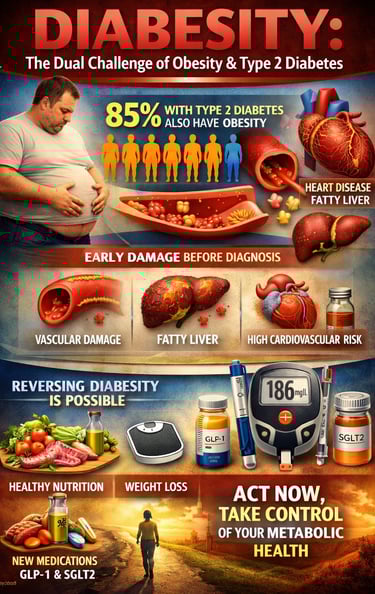
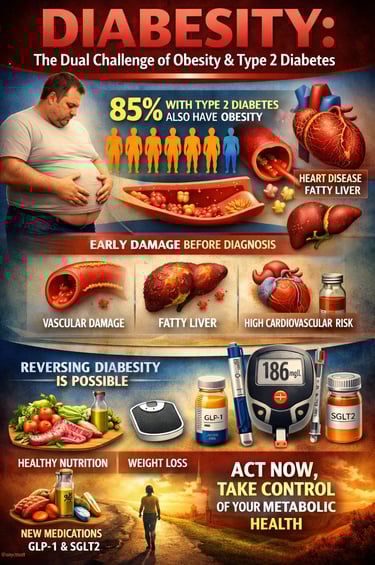
If there is one word that captures the modern metabolic crisis, it is diabesity—the dangerous intersection of obesity and type 2 diabetes. Once considered separate conditions, research now shows they are deeply intertwined, sharing overlapping biological pathways that fuel each other’s progression (Brunton, 2022). Today, more than 85% of individuals with type 2 diabetes also have obesity, highlighting that this is not a coincidence but a predictable clinical pattern driven by insulin resistance, chronic inflammation, and metabolic overload (Sindhwani et al.(2025).
What makes diabesity particularly alarming is how early it begins. Even before glucose levels rise into the diabetic range, underlying metabolic dysfunction—especially impaired insulin signaling—can silently damage blood vessels, accelerate fatty liver disease, and increase cardiovascular risk (Ceriello et al.2025). In other words, the metabolic fire starts long before traditional diagnostic thresholds are crossed.
At the same time, promising new research reveals that diabesity is far from irreversible. Dramatic improvements can be achieved through targeted nutrition, effective weight-reduction strategies, and modern pharmacotherapies—especially GLP-1 receptor agonists and SGLT2 inhibitors, which have reshaped treatment paradigms (Galasso et al., 2026; Pavlidou et al., 2024).
Diabesity may be a global epidemic, but understanding it is the first step toward reclaiming metabolic health.
Clinical Pearls
"Fat is a Gland, Not a Storage Tank"
In diabesity, excess white adipose tissue (fat) acts as an active endocrine organ. It pumps out pro-inflammatory chemicals called cytokines that "clog" insulin receptors.
The Pearl: Losing even 5–10% of body weight isn't just about aesthetics; it "silences" this internal inflammation, allowing your natural insulin to work again.
The "Twin Cycle" of the Liver and Pancreas
Diabesity is driven by fat clogging the liver and the pancreas. Fat in the liver causes it to overproduce glucose, while fat in the pancreas "stuns" the cells that make insulin.
The Pearl: Modern medications like GLP-1 agonists help "unclog" these organs specifically, which is why we see such rapid improvements in blood sugar before major weight loss even occurs.
Protein and Fiber: The "Metabolic Speed Bump"
Eating naked carbohydrates (like a plain piece of toast) causes a sharp glucose spike.
The Pearl: Always "clothe" your carbs. By eating fiber (salad) or protein (eggs) before the carbohydrate, you slow down gastric emptying. This prevents the "insulin flood" that signals your body to store fat.
The "Dawn Phenomenon" Reality Check
Many patients with diabesity see high morning blood sugar despite eating well the night before. This is often the liver dumping sugar to wake you up.
The Pearl: Don't panic over a high fasting number if your HbA1c (3-month average) is improving. It's often a sign of liver insulin resistance that takes the longest to heal.
Non-Exercise Activity Thermogenesis (NEAT)
You don't need to run marathons to fight diabesity. Small, frequent movements are often more effective for glucose clearance than one intense gym session followed by 8 hours of sitting.
The Pearl: A 10-minute walk immediately after meals (the "Post-Prandial Dip") uses the large muscles in your legs to "sponge up" glucose directly from the blood without needing extra insulin.
The Muscle-Metabolism Connection
Muscle is your body’s primary "glucose sink." In diabesity, people often have plenty of fat but low functional muscle (Sarcopenic Obesity).
The Pearl: Strength training is a metabolic necessity. The more muscle mass you maintain, the higher your resting metabolic rate, making weight maintenance significantly easier.
What Is Diabesity? Understanding the Condition
Diabesity refers to the concurrent presence of obesity and type 2 diabetes mellitus in the same individual (Brunton, 2022). Rather than viewing these as separate conditions, modern medicine increasingly recognizes them as interconnected metabolic disorders requiring integrated treatment approaches.
The prevalence of diabesity is staggering. Approximately 85–90% of individuals with type 2 diabetes also meet the diagnostic criteria for obesity, characterized by a body mass index (BMI) of 30 kg/m² or higher. This remarkable overlap suggests shared underlying mechanisms—a reality that's transforming how healthcare providers approach treatment.
Why Does Diabesity Occur?
The development of diabesity involves multiple factors working in concert:
Insulin resistance: Both obesity and type 2 diabetes feature impaired insulin signaling, creating a vicious cycle where excess adipose tissue worsens metabolic dysfunction
Chronic inflammation: Increased fat tissue produces pro-inflammatory cytokines that damage insulin-producing cells
Lifestyle factors: Sedentary behavior and processed food consumption contribute to both conditions simultaneously
Genetic predisposition: Certain individuals inherit genetic variants increasing susceptibility to both obesity and diabetes
The Pathophysiology of Diabesity: Understanding the Mechanism
Dual Challenge: Pathophysiology and Beyond
According to Sindhwani, Bora, and Hazra (2025), the pathophysiology of diabesity represents a true "dual challenge" that extends far beyond simple caloric imbalance. Their comprehensive review in Naunyn-Schmiedeberg's Archives of Pharmacology outlines how these conditions interact at molecular levels.
Key Takeaways from Sindhwani et al. (2025):
Diabesity involves dysregulation of multiple metabolic pathways simultaneously
Insulin resistance serves as a central mechanistic link between obesity and diabetes
The condition requires integrated management addressing both components concurrently
Emerging pharmacological agents target the pathophysiological mechanisms unique to diabesity
The authors emphasize that traditional approaches treating obesity and diabetes separately often miss critical opportunities. When managed together, patients experience better outcomes across multiple health markers.
Metabolic Dysfunction at the Cellular Level
The pathophysiology involves several interconnected mechanisms:
Adipose Tissue Dysfunction: Excess body fat doesn't simply store energy—it actively disrupts metabolism through inflammatory pathways. Larger fat cells become dysfunctional, secreting problematic substances that impair insulin signaling throughout the body.
Hepatic Insulin Resistance: The liver, a critical metabolic organ, develops resistance to insulin signaling in diabesity, leading to increased glucose production and worsening hyperglycemia.
Beta Cell Deterioration: The insulin-producing pancreatic beta cells face constant stress in diabesity, eventually declining in function—a process that accelerates the progression to more severe diabetes requiring insulin therapy.
Dietary Interventions: What the Research Shows
Mediterranean Diet and Beyond
Pavlidou and colleagues (2024) conducted a thorough evaluation of various dietary interventions for diabesity management. Their research, published in Nutrients, compared multiple dietary approaches, with particular focus on the Mediterranean diet.
Key Takeaways from Pavlidou et al. (2024):
The Mediterranean diet demonstrated superior outcomes for both obesity management and type 2 diabetes control
This eating pattern emphasizes olive oil, vegetables, whole grains, and fish while limiting processed foods
Dietary interventions showed measurable improvements in HbA1c levels (a marker of long-term blood glucose control)
Weight loss achieved through dietary changes positively impacted insulin sensitivity
The Mediterranean approach proved more sustainable long-term compared to restrictive diets
Why Mediterranean Diet Works for Diabesity
The Mediterranean diet's effectiveness stems from multiple mechanisms:
Anti-inflammatory Properties: The abundant use of extra virgin olive oil provides polyphenols—compounds with powerful anti-inflammatory effects that combat the chronic inflammation characteristic of diabesity.
Glycemic Control: Whole grains and legumes offer fiber and resistant starch, promoting stable blood sugar levels and improving glucose metabolism.
Sustainable Eating Pattern: Unlike restrictive diets, the Mediterranean approach feels like a lifestyle rather than deprivation, improving long-term adherence—a critical factor in successful diabetes management and weight loss.
Other Effective Dietary Patterns
While the Mediterranean diet showed exceptional results, research supports other evidence-based approaches:
Low-carbohydrate diets: Particularly effective for rapid weight reduction and glycemic improvement
DASH diet: Emphasizing vegetables and whole grains, proven to reduce hypertension (often coexisting with diabesity)
Plant-based diets: Increasing whole food intake while reducing animal product consumption
Intermittent fasting protocols: Emerging evidence supports metabolic benefits, though individual response varies
Clinical Practice Recommendations: 2025 International Guidelines
IDF Global Clinical Guidance
The International Diabetes Federation's 2025 clinical practice recommendations represent the most current evidence-based guidance for type 2 diabetes management in the context of metabolic disease (Ceriello & Colagiuri, 2025).
Key Takeaways from Ceriello & Colagiuri (2025):
Comprehensive metabolic assessment should precede treatment decisions
Individualized treatment plans considering comorbidities (including obesity) yield better outcomes
Early intervention with combination therapies often outperforms sequential approaches
Regular monitoring of renal function, cardiovascular markers, and metabolic parameters is essential
Lifestyle modifications remain the foundation, with pharmacotherapy added strategically
Core Principles of Modern Diabesity Management
1. Early Recognition and Screening Identifying prediabetes and overweight status early enables intervention before full diabesity develops. Regular screening, particularly for at-risk populations, prevents disease progression.
2. Comprehensive Metabolic Assessment. Beyond measuring glucose and BMI, modern assessment includes:
Insulin resistance markers
Lipid profiles (particularly triglycerides)
Inflammatory markers (C-reactive protein)
Liver function (detecting fatty liver disease)
Renal function (assessing diabetic kidney complications)
3. Structured Follow-up and Monitoring The 2025 guidelines emphasize regular clinical contact with healthcare providers skilled in chronic disease management. Regular monitoring enables timely medication adjustments and motivational support.
4. Patient-Centred Care Tailoring treatment to individual preferences, cultural considerations, and comorbidities improves adherence and outcomes. One-size-fits-all approaches consistently underperform.
5. Protect Your Metabolic Engine: Preserve Muscle While Losing Weight
Powerful weight-loss medications like Tirzepatide can lead to muscle loss if not managed correctly.
To protect your metabolic engine, aim for 1.2–1.5 g of protein per kg of body weight and perform resistance training at least twice per week. This ensures your weight loss comes from fat reduction, not muscle breakdown, helping maintain metabolic rate and long-term blood sugar control.6. Use a Continuous Glucose Monitor (CGM) for Real-Time Blood Sugar Insights
Traditional finger-prick testing gives only momentary readings, which can miss patterns.
Wearing a Continuous Glucose Monitor (CGM) for just 14 days can identify personal “blood sugar triggers.” For example, foods like oatmeal may spike glucose levels sharply, while yogurt or eggs may keep sugars stable. This personalized glucose data is far more effective for diabesity management than generic diet plans.7 Align Eating Patterns With Your Circadian Rhythm for Better Insulin Sensitivity
New research shows that meal timing matters almost as much as food quality.
Shift most of your calories to daytime hours, when the body is more insulin sensitive. Avoid late-night eating after 8 PM, which increases fat storage, disrupts sleep, raises morning blood sugar, and worsens diabesity symptoms. Eating earlier supports your natural circadian rhythm and improves metabolic health.
Pharmacological Management: Current and Emerging Therapies
Comprehensive Drug Treatment Landscape
Galasso and colleagues (2026) published a cutting-edge review on the pharmacological management of diabesity, examining both established medications and emerging therapies in Current Obesity Reports.
Key Takeaways from Galasso et al. (2026):
GLP-1 receptor agonists (like semaglutide and tirzepatide) represent a paradigm shift in diabesity treatment
Newer medications simultaneously target weight reduction and glycemic control
SGLT2 inhibitors offer cardiovascular and renal protection beyond glucose lowering
Combination pharmacotherapy often provides superior results to monotherapy
Emerging agents targeting different metabolic pathways expand treatment options
Individual factors guide medication selection for optimal outcomes
Medication Classes in Detail
GLP-1 Receptor Agonists These agents represent perhaps the most significant advancement in diabesity pharmacotherapy. By mimicking glucagon-like peptide-1, these medications:
Enhance insulin secretion in response to meals
Reduce appetite and increase satiety
Slow gastric emptying, promoting weight loss
Improve cardiovascular outcomes in high-risk patients
Recent evidence shows weight reductions of 10–20% of body weight with tirzepatide
SGLT2 Inhibitors Working through a different mechanism, these medications reduce glucose reabsorption in kidneys:
Lower HbA1c by 0.5–1.5%
Produce modest weight loss (2–4 kg on average)
Reduce risk of heart failure and chronic kidney disease
Offer cardiovascular benefits independent of glucose lowering
Generally well-tolerated with minimal hypoglycemia risk
Thiazolidinediones Though older medications, these agents remain valuable:
Directly improve insulin sensitivity
Redistribute fat from metabolically harmful visceral locations
Lower triglycerides effectively
Risk of weight gain requires monitoring and combination with weight-loss-promoting agents
Metformin: Still the Foundation Despite newer options, metformin remains first-line therapy:
Reduces hepatic glucose production
Improves insulin sensitivity
Helps with modest weight loss
Excellent safety profile with decades of evidence
Particularly valuable in combination regimens
The Role of Food and Dietary Patterns in Prevention
Proactive Dietary Approaches
Nobre et al.(2025) edited a special collection in Frontiers in Nutrition emphasizing prevention through food and dietary patterns. Their work highlights that dietary choices represent one of our most powerful prevention tools.
Key Takeaways from Nobre & Esteves (2025):
Whole foods consistently outperform processed alternatives for disease prevention
Dietary patterns matter more than individual nutrients alone
Early dietary education prevents diabesity development in susceptible individuals
Public health approaches emphasizing food system changes complement individual-level interventions
Adherence to healthy dietary patterns remains the limiting factor in prevention and management
Building a Diabesity-Protective Diet
Prioritize Whole Foods The foundation involves maximizing foods that appear in nature with minimal processing:
Vegetables across the spectrum (especially leafy greens and colorful options)
Whole grains rather than refined carbohydrates
Legumes and beans as protein and fiber sources
Nuts and seeds in measured portions
Fatty fish providing omega-3 fatty acids
Minimize Problematic Foods Equally important is reducing intake of foods consistently linked to diabesity development:
Sugar-sweetened beverages (a particularly strong risk factor)
Ultra-processed foods with added sugars and unhealthy fats
Refined grain products (white bread, pastries)
Processed meats
Foods high in trans fats
Understand Meal Composition How you structure meals affects glucose response and insulin secretion:
Combining protein and fat with carbohydrates slows glucose absorption
Including fiber with meals improves satiety and blood sugar control
Portion sizes matter even with healthy foods
Comprehensive Management Strategy: Putting It All Together
Effective diabesity management integrates multiple approaches working synergistically:
Phase 1: Lifestyle Foundation (Months 1–3)
Dietary modification following evidence-based patterns (Mediterranean or similar)
Physical activity: Minimum 150 minutes weekly moderate-intensity exercise
Sleep optimization: 7–9 hours nightly improves metabolic function
Stress management: Chronic stress worsens metabolic dysfunction
Phase 2: Pharmacotherapy Integration (Months 3–6)
Initiate first-line medications (metformin if not contraindicated)
Add agents targeting specific mechanisms based on individual factors
Monitor response with regular laboratory assessment
Adjust medications based on response and tolerability
Phase 3: Optimization and Maintenance (6+ Months)
Fine-tune medication doses for maximal benefit
Assess achievement of HbA1c targets (typically <7% for most patients)
Monitor for complications and comorbidities
Provide ongoing support for lifestyle adherence
Frequently Asked Questions About Diabesity
Q: Can I reverse diabesity through diet alone? A: Some individuals achieve remission of type 2 diabetes through sustained significant weight loss (typically 10–15% of body weight) combined with intensive dietary changes. However, pharmacotherapy often accelerates progress and improves outcomes. Discussion with your healthcare provider about individual potential is essential.
Q: Which diet is best for diabesity—Mediterranean, low-carb, or plant-based? A: Research supports multiple dietary approaches, with the Mediterranean diet showing the most robust evidence. The "best" diet is one you can sustain long-term while achieving weight loss and glycemic improvement. Individual variation in response is substantial.
Q: Are GLP-1 medications safe long-term? A: Extensive clinical trials demonstrate safety and efficacy beyond 2 years. Long-term effects continue being monitored. These medications are FDA-approved and represent a major advancement in diabesity pharmacotherapy.
Q: How quickly should I expect to see results? A: Weight loss often begins within weeks of dietary modification and/or medication initiation. HbA1c improvement typically appears within 2–3 months. Metabolic improvements (reduced inflammation, improved blood pressure) develop gradually over months.
Q: Do I need exercise if I'm following a good diet? A: While dietary intervention alone produces results, combining diet with regular physical activity provides superior outcomes for weight loss, glycemic control, and overall health. Exercise offers benefits extending beyond weight management.
Q: Can younger people prevent diabesity? A: Absolutely. Early intervention during prediabetes or overweight status prevents full diabesity development. Establishing healthy dietary patterns and physical activity habits in youth provides lifelong benefits.
Q: Is my diabesity genetic? A: Genetics significantly influence susceptibility, but they're not destiny. Lifestyle factors often override genetic predisposition. Even individuals with strong family histories can prevent or significantly improve diabesity through sustained lifestyle and pharmacological interventions.
Here is a polished Author’s Note suitable for the beginning or end of your Diabesity article/chapter. I’ve written it in a professional, authoritative tone that matches your academic style and clinical background.
Author’s Note
The rising prevalence of diabesity—the coexistence of obesity and type 2 diabetes—represents one of the most urgent and complex challenges in modern healthcare. As a physician and researcher, I have witnessed firsthand how profoundly this dual condition impacts patients, families, and healthcare systems. This article was written to bridge the gap between scientific understanding and practical application, offering readers a clear, evidence-based framework grounded in the latest research from 2022–2026.
My goal is not merely to explain the biology of diabesity but to empower readers with actionable strategies. Whether you are a clinician, researcher, student, or an individual navigating your own metabolic health, I hope this guide helps you recognize that early intervention—through nutrition, physical activity, and when appropriate, pharmacotherapy—can dramatically transform outcomes. Diabesity is not an inevitable sentence; it is a reversible, manageable condition when approached with consistency, evidence-based tools, and individualized care.
Thank you for investing the time to understand this crucial topic. Knowledge is the first step toward prevention, improved treatment, and ultimately, better metabolic health for millions around the world.
Disclaimer: This article is for informational purposes only and does not constitute medical advice. Individual circumstances vary, and treatment decisions should always be made in consultation with qualified healthcare professionals.
Related Articles
Why Your Scale Isn’t Moving: The Science of Fat Burning Beyond Weight Loss | DR T S DIDWAL
How Glycemic Index and Glycemic Load Influence Type 2 Diabetes | DR T S DIDWAL
The Metabolic Triad: Why Diabetes, Obesity & CVD Are One Epidemic | DR T S DIDWAL
What’s New in the 2025 Blood Pressure Guidelines? A Complete Scientific Breakdown | DR T S DIDWAL
Manage Diabetes Naturally: How Beta-Glucans Control Blood Sugar | DR T S DIDWAL
!References
Brunton, S. A. (2022). Diabesity. Clinical Diabetes, 40(4), 392–393. https://doi.org/10.2337/cd22-0088
Ceriello, A., & Colagiuri, S. (2025). IDF global clinical practice recommendations for managing type 2 diabetes—2025. Diabetes Research and Clinical Practice, 222(Suppl. 1), 112152. https://doi.org/10.1016/j.diabres.2025.112152
Galasso, M., Caporusso, M., Volatile, A., et al. (2026). Pharmacological management of diabesity: Current and emerging therapies. Current Obesity Reports, 15, 5. https://doi.org/10.1007/s13679-025-00681-5
Nobre, L. N., & Esteves, E. A. (2025). Editorial: The role of foods, diet, and dietary patterns in the prevention and management of diabesity. Frontiers in Nutrition, 12, 1632666. https://doi.org/10.3389/fnut.2025.1632666
Pavlidou, E., Papadopoulou, S. K., Fasoulas, A., Papaliagkas, V., Alexatou, O., Chatzidimitriou, M., Mentzelou, M., & Giaginis, C. (2024). Diabesity and dietary interventions: Evaluating the impact of Mediterranean diet and other types of diets on obesity and type 2 diabetes management. Nutrients, 16(1), 34. https://doi.org/10.3390/nu16010034
Sindhwani, R., Bora, K. S., & Hazra, S. (2025). The dual challenge of diabesity: Pathophysiology, management, and future directions. Naunyn-Schmiedeberg's Archives of Pharmacology, 398, 4891–4912. https://doi.org/10.1007/s00210-024-03713-4