Type 2 Diabetes Biomarkers Explained: New Tests That Are Changing Diagnosis and Treatment
A comprehensive review of 2025 T2D biomarker studies. Learn how inflammatory, epigenetic, and microbiota markers guide therapeutic selection and significantly improve patient outcomes.
DIABETES
Dr. T.S. Didwal, M.D.
12/13/202517 min read
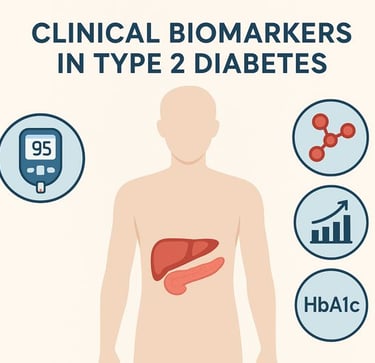
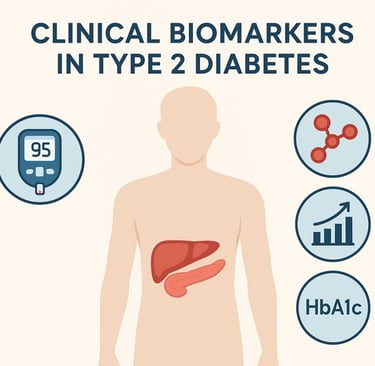
Type 2 diabetes affects over 537 million adults worldwide, yet many cases remain undiagnosed until complications emerge. The traditional approach to diabetes screening—relying primarily on fasting glucose levels and HbA1c measurements—often misses early-stage disease progression. This is where clinical biomarkers become transformative. Recent 2025 research emphasizes that identifying novel diabetes biomarkers enables earlier intervention, more personalized treatment approaches, and ultimately better patient outcomes. As we navigate 2025, understanding these cutting-edge biomarkers in type 2 diabetes isn't just valuable for researchers; it's essential for healthcare professionals and individuals at risk of developing type 2 diabetes mellitus.
Clinical Pearls
Shift to Multi-Biomarker Assessment:
Action: Do not rely solely on glucose/HbA1c. For at-risk patients, routinely integrate a panel that includes markers of different pathways: Inflammation (hsCRP), Adipokine Function (Adiponectin), and Beta-Cell Stress (C-peptide/Proinsulin ratio).
Goal: Achieve superior diagnostic accuracy and risk stratification
Act on Pre-Glycemic Inflammation:
Observation: High inflammatory markers (e.g., hsCRP) often signal T2D risk years before dysglycemia is evident.
Action: Implement intensive lifestyle modifications or preventive pharmacological interventions focused on reducing inflammation (like weight loss) in high-risk individuals, even if their fasting glucose is still normal.
Use Biomarkers to Personalize Drug Selection:
Principle: Biomarker profiles predict treatment response, replacing trial-and-error.
Example Match: Patients showing significant Beta-Cell Dysfunction (high Proinsulin/C-peptide ratio) are prime candidates for GLP-1 Receptor Agonists. Conversely, those with high inflammation/low Adiponectin benefit most from Insulin Sensitizers (TZDs).
Target Reversible Molecular Signatures:
Focus: Concentrate intervention efforts on Epigenetic and Microbiota-Derived biomarkers (SCFA levels, LPS).
Reason: These markers reflect gene expression modified by environment/lifestyle and are potentially reversible, unlike fixed genetic risk, offering a unique chance for true disease reversal through targeted intervention.
Leverage Proteomics for Complication Triage:
Value: Advanced proteomic panels provide superior predictive accuracy for long-term complications, particularly cardiovascular and renal disease, beyond what traditional lipid or glucose measurements can offer.
Action: Use these advanced risk scores (as they become clinically accessible) to identify T2D patients who require early and aggressive cardiorenal protective therapies (e.g., SGLT-2 inhibitors), even if their blood pressure and cholesterol targets are currently met.
Clinical Biomarkers in Type 2 Diabetes: Revolutionizing Diagnosis and Screening
Understanding Type 2 Diabetes Biomarkers: The Foundation
Before diving into specific research findings, let's clarify what we mean by biomarkers. A biomarker is any measurable characteristic that reflects the presence or severity of a disease. In the context of type 2 diabetes screening, biomarkers serve multiple crucial functions: they detect pre-diabetic states, identify disease progression, predict treatment response, and assess complication risk. The shift toward precision diabetes medicine relies heavily on identifying and validating these molecular indicators.
The Evolution of Diabetes Diagnosis and Screening
For decades, type 2 diabetes diagnosis relied on three primary methods: fasting plasma glucose, oral glucose tolerance testing, and HbA1c measurement. While effective, these conventional markers miss the complex metabolic dysfunction underlying the disease. Newer biomarkers for type 2 diabetes capture different pathophysiological mechanisms—including insulin secretion defects, insulin resistance, inflammation, epigenetic changes, and beta-cell dysfunction—offering a more comprehensive picture of individual disease pathology.
Comprehensive Research Overview: 2025 Diabetes Biomarker Studies
Systematic Review of Key Biomarkers in Type 2 Diabetes Patients
Le et al. (2025) conducted a comprehensive systematic review examining key biomarkers in type 2 diabetes patients, providing an integrated assessment of emerging diabetes biomarker literature. This research represents a critical synthesis of contemporary biomarker knowledge essential for understanding current clinical applications.
Key Takeaways from Le et al. (2025):
The systematic review identified and categorized numerous clinical biomarkers relevant to type 2 diabetes diagnosis, progression, and complication prediction. Le and colleagues emphasized that biomarker heterogeneity reflects the complex, multifactorial nature of type 2 diabetes pathogenesis. Their review systematically evaluated traditional biomarkers alongside emerging molecular indicators, establishing that multi-biomarker assessment significantly enhances diagnostic accuracy and risk stratification compared to single-marker approaches.
The research highlighted that inflammatory biomarkers, adipokine measurements, beta-cell function indicators, and lipid-related markers form the foundation of current biomarker-based diabetes screening. Importantly, the systematic review noted substantial heterogeneity in biomarker performance across different populations, emphasizing the need for population-specific biomarker validation and consideration of health equity in biomarker implementation.
Le's systematic review also underscored the clinical relevance of prognostic biomarkers—measures predicting disease progression and complication risk—distinct from purely diagnostic biomarkers. This distinction proves crucial when selecting biomarkers for clinical practice, as different clinical scenarios require different biomarker profiles.
Clinical Implications:
The comprehensive systematic review by Le et al. (2025) provides evidence-based guidance for clinicians implementing biomarker-based diabetes care. Their findings support integrating multiple biomarker classes into clinical assessment, moving beyond reliance on single indicators. The research particularly emphasizes that standardization of biomarker measurement across laboratories and healthcare systems remains critical for consistent clinical implementation.
Large-Scale Proteomics and Risk Prediction for Type 2 Diabetes
Xie et al. (2025) conducted groundbreaking research demonstrating how large-scale proteomics improve risk prediction for type 2 diabetes, representing a paradigm shift in biomarker-driven disease prediction. This study exemplifies the power of modern omics technologies in diabetes biomarker discovery.
Key Takeaways from Xie et al. (2025):
The proteomics study by Xie and colleagues identified that protein-based biomarkers—measured through high-throughput proteomic platforms—substantially enhance type 2 diabetes risk prediction beyond traditional metabolic biomarkers. Their large-scale proteomics approach analyzed hundreds of proteins simultaneously, identifying novel protein signatures associated with type 2 diabetes development.
This research demonstrated that plasma protein biomarkers capture disease pathophysiology with unprecedented precision. By analyzing proteomic data from large population cohorts, the researchers developed improved risk prediction models that outperformed conventional type 2 diabetes screening tools. The study found that specific protein combinations more accurately identify high-risk individuals than traditional glucose-based screening.
Critically, Xie's work illustrates how advanced proteomic technologies enable discovery of previously unknown diabetes-associated proteins. These novel protein biomarkers reflect distinct pathophysiological pathways—from inflammatory processes to metabolic dysfunction to vascular complications—providing a more nuanced understanding of individual disease biology.
Clinical Implications:
Xie et al. (2025) research suggests that as proteomic assays become more accessible and cost-effective, protein-based biomarker panels may become standard in type 2 diabetes screening programs. The superior predictive accuracy of proteomic biomarkers justifies investment in these advanced diagnostic technologies, potentially enabling precision prevention on unprecedented scales. This research positions proteomics as central to the future of clinical biomarkers in diabetes care.
Epigenetic Biomarkers for Type 2 Diabetes: Present Status and Future Directions
Munns et al. (2025) explored type 2 diabetes epigenetic biomarkers, investigating how epigenetic modifications—changes in gene expression without DNA sequence alterations—reflect and predict type 2 diabetes risk. This research opens entirely new dimensions in diabetes biomarker science.
Key Takeaways from Munns et al. (2025):
The epigenetics study by Munns, Brown, and Buckberry identified that DNA methylation patterns, histone modifications, and chromatin remodeling serve as valuable biomarkers for type 2 diabetes. Importantly, their research emphasized epigenetic biomarkers as potentially superior to genetic variants alone, as epigenetic marks reflect both genetic predisposition and environmental exposures—the true drivers of type 2 diabetes development.
The research highlighted specific epigenetic modifications associated with insulin resistance and beta-cell dysfunction. These epigenetic changes can be detected in circulating blood cells or plasma cell-free DNA, making them potentially practical clinical biomarkers. Critically, epigenetic biomarkers may be reversible with lifestyle interventions, offering hope that identified individuals can modify their disease trajectory.
Munns and colleagues particularly emphasized implications for global and indigenous health. They noted that epigenetic biomarkers may capture how socioeconomic factors, dietary patterns, and environmental stressors contribute to type 2 diabetes disparities. This culturally sensitive approach to biomarker research addresses long-standing health equity concerns in diabetes epidemiology.
Clinical Implications:
Munns et al. (2025) research suggests that epigenetic biomarker assessment could transform understanding of why certain populations develop type 2 diabetes at disproportionate rates. By identifying modifiable epigenetic patterns, clinicians could implement precisely targeted prevention strategies addressing root causes rather than just symptoms. The reversibility of epigenetic modifications offers optimistic implications for intervention efficacy and disease reversal potential.
Clinical Biomarkers and Optimal Therapeutic Selection in Type 2 Diabetes
Quinaglia et al. (2025) conducted a comprehensive scoping review examining whether clinical biomarkers can guide optimal therapeutic selection in type 2 diabetes mellitus. This research directly addresses a crucial clinical question: Can biomarkers personalize diabetes treatment choices?
Key Takeaways from Quinaglia et al. (2025):
The scoping review by Quinaglia and colleagues synthesized evidence on biomarker-guided treatment selection for type 2 diabetes management. Their analysis revealed that certain biomarkers show promise in predicting medication response and treatment efficacy for specific diabetes drugs. For example, baseline insulin sensitivity markers predict PPAR-gamma agonist response, while inflammatory biomarkers may guide GLP-1 agonist selection.
The research emphasized that personalized medicine in diabetes increasingly incorporates biomarker assessment to match patients with optimal medications. Rather than employing sequential trial-and-error approaches to diabetes treatment, biomarker-guided selection could immediately direct patients toward medications with highest likelihood of efficacy and tolerability. This approach reduces treatment failure rates, improves glycemic control, and enhances patient satisfaction.
However, the scoping review also acknowledged significant gaps. While promising, biomarker-guided therapeutic selection remains insufficiently studied in many diabetes medication classes. The researchers called for more rigorous randomized controlled trials validating biomarker-treatment matching strategies before widespread clinical implementation.
Clinical Implications:
Quinaglia et al. (2025) research suggests that biomarker-guided treatment selection represents the future of diabetes care. By transitioning from one-size-fits-all medication protocols to personalized, biomarker-informed therapy, clinicians can maximize treatment efficacy and quality of life outcomes. However, standardized biomarker testing protocols and clinical decision support tools must be developed for practical implementation.
Emerging Biomarkers in Type 2 Diabetes Mellitus: Comprehensive Overview
Mir et al. (2025) provided an extensive analysis of emerging biomarkers in type 2 diabetes mellitus, examining newly discovered molecular indicators and novel measurement approaches. This comprehensive review synthesizes cutting-edge biomarker science essential for understanding contemporary diabetes research.
Key Takeaways from Mir et al. (2025):
Mir and colleagues identified numerous emerging biomarkers expanding beyond traditional glucose, lipid, and inflammatory measures. Their analysis included microbial metabolite biomarkers reflecting gut dysbiosis contributions to type 2 diabetes—specifically short-chain fatty acids and lipopolysaccharides (LPS) from gram-negative bacteria. This research highlights how dysbiotic microbiota promote metabolic endotoxemia, a driver of systemic inflammation and insulin resistance.
The research also examined circulating microRNA (miRNA) biomarkers, small regulatory molecules predicting type 2 diabetes risk and disease progression. Specific miRNA signatures correlate with insulin secretion defects and beta-cell dysfunction, offering potential biomarkers for identifying vulnerable individuals. Additionally, Mir's review covered extracellular vesicle (exosome) biomarkers—cellular communication particles carrying disease-related proteins and nucleic acids—representing an exciting frontier in diabetes diagnostics.
The research also encompassed metabolomic biomarkers: small molecules like amino acid metabolites, acylcarnitines, and organic acids that reflect metabolic dysfunction in type 2 diabetes. These metabolomic signatures identify individuals with specific metabolic defects—such as branched-chain amino acid (BCAA) metabolism abnormalities or lipid oxidation dysfunction—enabling metabolically informed intervention.
Clinical Implications:
Mir et al. (2025) research demonstrates that diabetes biomarker science continues rapid evolution. Emerging biomarkers in categories like microbiota-derived, miRNA, exosome, and metabolomic indicators represent exciting frontiers for enhanced disease understanding and therapeutic targeting. As these emerging biomarkers undergo validation and commercialization, they'll likely supplement and eventually replace some traditional markers in clinical practice.
Deep Dive: Specific Biomarker Categories Across 2025 Research
Inflammatory Biomarkers and Type 2 Diabetes Risk
Across multiple 2025 studies, inflammatory biomarkers emerged as among the most consistently significant predictors of type 2 diabetes development. C-reactive protein (CRP), interleukin-6 (IL-6), and tumor necrosis factor-alpha (TNF-alpha) strongly predict type 2 diabetes incidence, with some research indicating inflammatory markers provide superior risk prediction than glucose measures alone when identified years before disease diagnosis.
The 2025 research particularly emphasized pro-inflammatory cytokine patterns and acute phase protein concentrations as early biomarkers of metabolic dysfunction. Systemic inflammation, driven largely by adipose tissue macrophage infiltration in obesity, initiates the cascade leading to insulin resistance and beta-cell dysfunction. The research suggests that anti-inflammatory interventions—targeting IL-6 production, TNF-alpha signaling, or macrophage activation—might prevent type 2 diabetes development in high-risk individuals identified through inflammatory biomarker assessment.
Adipokine Biomarkers: Leptin, Adiponectin, and Emerging Adipose-Derived Mediators
Multiple 2025 studies confirmed that adipokine abnormalities represent fundamental biomarkers of type 2 diabetes pathophysiology. Lower adiponectin levels, an anti-inflammatory adipokine, consistently predict type 2 diabetes risk, while paradoxically elevated leptin levels (despite obesity) indicate leptin resistance—a state of metabolic dysregulation.
Recent research identified additional adipokine biomarkers: visfatin, chemerin, and omentin—collectively called novel adipokines—showing promise as type 2 diabetes risk indicators. These adipose-derived mediators bridge obesity and type 2 diabetes, reflecting both metabolic dysfunction and chronic inflammation. The 2025 research suggests that comprehensive adipokine assessment—measuring multiple adipose tissue hormones—better captures adipose tissue dysfunction than single adipokine measurements.
Beta-Cell Function Biomarkers: Progressive Pancreatic Insufficiency
The 2025 research consistently emphasized beta-cell dysfunction as central to type 2 diabetes pathogenesis, yet clinically underdiagnosed. C-peptide remains the gold standard beta-cell function biomarker, circulating unchanged and reflecting actual pancreatic insulin secretion. However, novel approaches measure proinsulin, proinsulin-to-insulin ratios, and even genetic polymorphisms affecting beta-cell function as predictive biomarkers.
Recent research identified circulating beta-cell-derived exosomes as emerging biomarkers of beta-cell health. These cell-derived vesicles carry proteins and nucleic acids reflecting pancreatic islet function, potentially offering non-invasive assessment of beta-cell stress and dysfunction. The research suggests that early beta-cell dysfunction detection—before significant glucose elevation—enables targeted interventions specifically addressing pancreatic preservation.
Lipid-Related Biomarkers and Metabolic Dysfunction
Beyond standard cholesterol measurements, 2025 research examined lipid subspecies biomarkers capturing specific metabolic dysfunction in type 2 diabetes. Dyslipidemia patterns include elevated triglycerides, reduced HDL cholesterol, and increased small, dense LDL particles—together forming the atherogenic dyslipidemia characteristic of type 2 diabetes.
The research also emphasized free fatty acid (FFA) biomarkers and acylcarnitine profiles as indicators of mitochondrial dysfunction and lipid oxidation impairment. Elevated fasting FFAs impair pancreatic beta-cell function (lipotoxicity) and reduce peripheral insulin sensitivity, making FFA measurement valuable for understanding individual metabolic phenotypes. Acylcarnitine biomarkers reflect the cellular energy dysfunction characteristic of type 2 diabetes.
Advanced Glycation End Products (AGEs) and Glycemic Burden
The 2025 research confirmed advanced glycation end products (AGEs) as important long-term glycemic burden indicators and predictors of diabetic complications. AGEs accumulate during sustained hyperglycemia, cross-linking proteins and promoting chronic inflammation, contributing to neuropathy, nephropathy, and retinopathy.
Recent studies noted that serum AGE levels and skin autofluorescence measurements provide information about cumulative glycemic exposure beyond what HbA1c reveals. Critically, AGE-related pathways can be therapeutically targeted with AGE inhibitors or AGE breakers, suggesting that AGE biomarker assessment might identify candidates for these novel interventions preventing diabetes complications.
Proteomics Biomarkers: The Protein Signature Revolution
Xie et al.'s (2025) proteomics research particularly emphasized how modern proteomic technologies enable discovery of protein biomarkers reflecting diverse disease mechanisms. Plasma proteome analysis identifies hundreds of proteins associated with type 2 diabetes development, many previously unknown as diabetes-related factors.
These protein biomarkers include inflammatory proteins, metabolic enzymes, signaling molecules, and tissue remodeling factors. Importantly, proteomic approaches discovered proteins reflecting vascular dysfunction, renal disease risk, and cardiovascular complications—enabling truly comprehensive risk assessment beyond metabolic measures alone. The research suggests protein-based biomarker panels provide superior predictive accuracy compared to traditional glucose, lipid, and inflammatory measures, justifying investment in proteomics infrastructure.
Epigenetic Biomarkers: Gene Expression Modification Patterns
Munns et al.'s (2025) epigenetics research highlighted how DNA methylation patterns and histone modifications serve as biomarkers reflecting both genetic predisposition and environmental influences. Specific CpG sites—locations where DNA methylation commonly occurs—show altered methylation status in type 2 diabetes patients, and these epigenetic marks correlate with disease severity and complication risk.
Critically, the research noted that epigenetic modifications are potentially reversible, offering hope that epigenetic biomarker abnormalities might be corrected through lifestyle interventions or targeted therapies. This contrasts with genetic variants, which are fixed. The implications are profound: individuals identified as having unfavorable epigenetic patterns might specifically benefit from intensive lifestyle modification designed to reverse pathological epigenetic changes
.
Microbial and Gut-Derived Biomarkers
Mir et al. (2025) particularly emphasized microbiota-derived biomarkers reflecting dysbiosis contributions to type 2 diabetes. Short-chain fatty acid (SCFA) levels—especially butyrate—show reduced concentrations in type 2 diabetes, reflecting beneficial microbiota depletion. Conversely, lipopolysaccharide (LPS) concentrations from gram-negative bacteria increase, promoting metabolic endotoxemia and systemic inflammation.
The research noted that microbiota-derived biomarkers might identify candidates for microbiota-modifying interventions: prebiotics, probiotics, dietary modifications, or fecal microbiota transplantation. This represents an exciting frontier where biomarker assessment directly guides targeted microbial interventions rather than just pharmaceutical therapies.
MicroRNA Biomarkers and Gene Regulation Dysfunction
The 2025 research identified specific miRNA signatures as biomarkers of type 2 diabetes risk and disease progression. Circulating miRNAs regulate gene expression in target tissues; dysregulation of specific miRNA patterns reflects metabolic dysfunction and predicts type 2 diabetes development. Some miRNA biomarkers specifically indicate beta-cell dysfunction, while others reflect insulin resistance or inflammatory activation.
The research suggested that miRNA-based biomarker panels might eventually enable disease subtyping more precise than current approaches, identifying specific pathophysiological mechanisms in individual patients. This would enable mechanism-directed therapies targeting the specific molecular pathways driving disease in particular individuals.
Biomarker-Guided Therapeutic Selection: Clinical Applications
Matching Biomarkers to Specific Diabetes Medications
The Quinaglia et al. (2025) research specifically examined how biomarkers predict response to different type 2 diabetes medications. Key findings included:
Insulin Sensitizers (PPAR-gamma agonists): Individuals with inflammatory biomarker elevation and adiponectin deficiency appear to benefit most from thiazolidinediones, which reduce inflammation, improve adipokine profiles, and enhance peripheral insulin sensitivity.
GLP-1 Receptor Agonists: Those with prominent beta-cell dysfunction biomarkers (elevated proinsulin, reduced C-peptide) and significant obesity show robust response to GLP-1 agonists, which enhance beta-cell function and promote weight loss.
SGLT-2 Inhibitors: Individuals with proteinuria biomarkers and cardiovascular risk markers derive particular benefit from SGLT-2 inhibitors, which provide cardiorenal protection beyond glycemic control.
DPP-4 Inhibitors: Those with modest beta-cell dysfunction and HbA1c elevation appear ideal candidates for DPP-4 inhibitors, which selectively enhance endogenous GLP-1 and GIP signaling.
The research emphasized that biomarker-guided selection streamlines the path to effective therapy, reducing time on ineffective medications and enabling faster glycemic control achievement.
Prevention-Focused Biomarker Application
Across all 2025 studies, biomarker assessment for prevention of type 2 diabetes development in at-risk populations emerged as a critical application. Rather than waiting for disease diagnosis, early biomarker detection enables:
Intensive Lifestyle Intervention: Individuals with early inflammatory biomarker elevation but normal glucose levels may achieve remarkable disease reversal through targeted lifestyle modification before irreversible beta-cell dysfunction develops.
Medication-Based Prevention: In those with multiple adverse biomarkers despite normal glucose, preventive medications (like metformin or newer glucose-lowering agents) might be considered earlier than traditional approaches warrant.
Personalized Dietary Intervention: Metabolomic biomarkers identifying specific metabolic defects (like BCAA metabolism abnormalities) could guide personalized dietary approaches addressing individual metabolic dysfunction.
Implementing Biomarker-Based Diabetes Care: Practical Strategies
Standardization and Clinical Integration Challenges
The 2025 research collectively emphasized that despite biomarker promise, clinical implementation faces significant obstacles. Biomarker standardization across laboratories remains incomplete; different assay platforms produce varying results, limiting clinical comparison and consistency. The research calls for International consensus on biomarker measurement standards.
Cost considerations also limit widespread biomarker adoption. While individual biomarker tests cost relatively little, comprehensive multi-biomarker panels required for true precision medicine remain expensive. The research suggests that as high-throughput technologies (like proteomics) scale up, costs will decline, democratizing access.
Health equity represents another critical consideration. The Munns et al. (2025) work particularly emphasized that biomarker research often underrepresents Indigenous and minority populations, limiting applicability of findings to these groups. The research advocates for population-specific biomarker validation and equity-centered implementation strategies.
Proposed Multi-Biomarker Screening Panels for 2025 Clinical Practice
Based on comprehensive 2025 research, a practical clinical biomarker panel for type 2 diabetes risk assessment might include:
Tier 1 (Readily Available): Fasting glucose, HbA1c, fasting insulin, triglycerides, HDL cholesterol
Tier 2 (Enhanced Assessment): C-peptide, adiponectin, hsCRP, free fatty acids
Tier 3 (Precision Medicine): Proteomic signatures, epigenetic markers, miRNA profiles, metabolomic signatures (where available)
This tiered approach allows progressive biomarker assessment, with expansion to advanced markers based on initial findings and clinical indication.
FAQs: Common Questions About Type 2 Diabetes Biomarkers in 2025
Q: How do the 2025 biomarker studies improve upon previous type 2 diabetes research?
A: The 2025 research harnesses advanced technologies like large-scale proteomics, epigenetic analysis, and systems biology approaches unavailable in prior years. These tools enable discovery of biomarkers reflecting previously unmeasurable aspects of diabetes pathophysiology. Collectively, the studies establish that comprehensive multi-biomarker assessment substantially improves diagnostic accuracy, risk prediction, and treatment personalization compared to traditional single-marker approaches.
Q: Can proteomics biomarkers replace traditional glucose-based screening?
A: Current evidence suggests proteomic biomarkers best complement rather than replace glucose measures. Xie et al. (2025) demonstrated superior predictive accuracy of protein-based biomarker panels compared to traditional markers alone, but integrating both approaches likely provides optimal risk assessment. Over time, as proteomic assays become standardized and cost-effective, they may assume larger roles in routine screening.
Q: How might epigenetic biomarkers change diabetes management?
A: Munns et al. (2025) research suggests epigenetic biomarkers could revolutionize diabetes care by identifying modifiable disease mechanisms. Unlike genetic variants (fixed and unchangeable), epigenetic modifications respond to lifestyle changes and targeted therapies. This enables personalized interventions addressing the specific epigenetic patterns driving disease in individual patients—moving beyond one-size-fits-all approaches.
Q: What role will microbiota biomarkers play in diabetes care?
A: Mir et al. (2025) identified microbiota-derived biomarkers like SCFA levels and LPS concentrations as reflecting dysbiosis contributions to type 2 diabetes. Future diabetes care might routinely assess microbiota biomarkers, guiding targeted microbial interventions—probiotics, dietary modifications, prebiotics, or even fecal microbiota transplantation. This represents an entirely new therapeutic avenue enabled by biomarker assessment.
Q: Can miRNA biomarkers predict which diabetes medications will work best?
A: Emerging research suggests specific miRNA signatures might predict medication response in certain drug classes, though evidence remains preliminary. The Quinaglia et al. (2025) scoping review noted that biomarker-guided therapeutic selection is most established for certain medications (like GLP-1 agonists), with less evidence for others. As pharmacogenomic research advances, miRNA biomarkers may increasingly guide drug selection.
Q: How soon will biomarker-based diabetes screening become routine?
A: The 2025 research suggests a gradual transition over the next 5-10 years. Tier 1 biomarkers (like adiponectin, hsCRP) are already available and affordable, enabling immediate clinical adoption. Advanced biomarkers (proteomics, epigenetic markers) will expand as costs decrease and clinical value is definitively established. Health system adoption will vary geographically and by resource availability.
Q: Do biomarkers help predict which individuals will develop diabetic complications?
A: Yes, substantially. The 2025 research emphasizes prognostic biomarkers predicting complication risk. AGE levels predict microvascular complications, while proteomic signatures identify cardiovascular complication risk. Epigenetic markers may predict renal complications. This enables complication-focused screening and prevention targeting high-risk individuals with intensive management strategies.
Q: Are biomarker tests covered by insurance?
A: Coverage varies. Traditional biomarkers (glucose, lipids, hsCRP) are routinely covered. Newer biomarkers (adiponectin, C-peptide) often are, but coverage depends on insurance plan and clinical indication. Advanced biomarkers (proteomics, epigenetic assessment) remain largely research tools, typically uncovered unless within clinical research protocols. As clinical evidence accumulates, insurance coverage will likely expand.
Clinical Recommendations: Integrating 2025 Biomarker Research into Practice
Based on synthesized 2025 research, clinicians should consider:
Immediate Actions: Incorporate readily available biomarkers (adiponectin, hsCRP, fasting insulin) into diabetes risk assessment protocols. These markers provide meaningful risk stratification with minimal added cost or complexity.
Short-Term Implementation: Develop biomarker-guided screening programs for high-risk populations, using multi-biomarker assessment to identify individuals for intensive prevention programs. Lifestyle intervention guided by biomarker profiles likely improves outcomes compared to unguided approaches.
Medium-Term Strategy: Establish biomarker-informed treatment algorithms for type 2 diabetes medication selection, particularly for GLP-1 agonists, insulin sensitizers, and SGLT-2 inhibitors. Pilot programs can validate biomarker-treatment matching in your clinical settings.
Long-Term Vision: Prepare for advanced biomarker platforms integrating proteomics, epigenetics, and microbiota assessment as costs decline and clinical evidence accumulates.
Conclusion: The 2025 Revolution in Type 2 Diabetes Biomarker Science
The comprehensive 2025 research by Le, Xie, Munns, Quinaglia, and Mir collectively demonstrates that type 2 diabetes is no longer best understood as a simple glucose regulation disorder. Instead, emerging evidence reveals a complex, heterogeneous condition driven by distinct pathophysiological mechanisms in different individuals: inflammatory dysfunction in some, beta-cell failure in others, adipose tissue dysfunction in still others, microbial dysbiosis, epigenetic modifications, or combinations thereof.
This systems-level understanding is only possible through sophisticated multi-biomarker assessment. The 2025 research provides compelling evidence that:
Traditional glucose-only screening misses individuals with early disease, allowing progression until complications emerge. Multi-biomarker assessment captures pre-diabetic pathophysiology years before hyperglycemia develops.
Biomarker panels outperform single markers in risk prediction, disease diagnosis, and complication assessment. Integrating inflammatory, adipokine, metabolic, beta-cell, and proteomic markers provides comprehensive disease understanding.
Advanced technologies (proteomics, epigenetics, metabolomics) identify previously unknown disease mechanisms, opening new therapeutic opportunities. Protein-based, epigenetic, miRNA, and microbiota-derived biomarkers reflect aspects of disease pathophysiology unavailable through traditional metabolic testing.
Biomarker-guided approaches enable true personalized medicine. Rather than sequential trial-and-error medication selection, biomarkers identify optimal therapies for individual disease mechanisms. Epigenetic biomarkers reveal modifiable disease pathways amenable to targeted interventions.
The research suggests an exciting future where diabetes diagnosis and treatment no longer follows predetermined algorithms but rather reflects individual biomarker profiles guiding targeted interventions addressing specific disease mechanisms. This represents a fundamental paradigm shift—from managing a single disease entity toward managing personalized metabolic dysfunction profiles—with profound implications for patient outcomes and population health.
Call to Action
Are you at risk for type 2 diabetes? The 2025 research suggests waiting for traditional glucose abnormalities may be too late. Ask your healthcare provider about comprehensive biomarker assessment including inflammatory markers (CRP, IL-6), adipokine measurements (adiponectin), beta-cell function indicators (C-peptide, proinsulin), and metabolic markers. These biomarkers often reveal early disease pathophysiology that glucose testing alone misses. Early identification enables prevention strategies with highest likelihood of success.
If you have type 2 diabetes: Discuss biomarker-guided treatment optimization with your healthcare team. Could biomarker assessment guide selection among available medications? Might proteomic biomarkers identify complication risk warranting intensive management? The 2025 research suggests biomarker-informed diabetes care produces superior outcomes.
For healthcare professionals: Embrace biomarker-based practice transformation. Start by incorporating readily available biomarkers (like adiponectin, hsCRP, fasting insulin) into your diabetes screening protocols. Develop biomarker-informed treatment algorithms for medication selection. Connect with research institutions exploring advanced biomarkers (proteomics, epigenetics) applicable to your patient populations. The 2025 research provides robust evidence supporting biomarker-driven diabetes care—the time for implementation is now.
Disclaimer: This article is for informational purposes only and does not constitute medical advice. Individual circumstances vary, and treatment decisions should always be made in consultation with qualified healthcare professionals.
Related Articles
The Metabolic Triad: Why Diabetes, Obesity & CVD Are One Epidemic | DR T S DIDWAL
What’s New in the 2025 Blood Pressure Guidelines? A Complete Scientific Breakdown | DR T S DIDWAL
References
Le, T. N., Bright, R., Truong, V. K., Li, J., Juneja, R., & Vasilev, K. (2025). Key biomarkers in type 2 diabetes patients: A systematic review. Diabetes, Obesity & Metabolism, 27(1), 7–22. https://doi.org/10.1111/dom.15991
Mir, M. M., Alghamdi, M., BinAfif, W. F., Alharthi, M. H., Alshahrani, A. M., Alamri, M. M. S., Alfaifi, J., Ameer, A. Y. A., & Mir, R. (2025). Emerging biomarkers in type 2 diabetes mellitus. Advances in Clinical Chemistry, 126, 155–198. https://doi.org/10.1016/bs.acc.2025.01.002
Munns, S., Brown, A., & Buckberry, S. (2025). Type-2 diabetes epigenetic biomarkers: Present status and future directions for global and Indigenous health. Frontiers in Molecular Biosciences, 12, 1502640. https://doi.org/10.3389/fmolb.2025.1502640
Ortiz-Martínez, M., González-González, M., Martagón, A. J., Hlavinka, V., Willson, R. C., & Rito-Palomares, M. (2022). Recent developments in biomarkers for diagnosis and screening of type 2 diabetes mellitus. Current Diabetes Reports, 22(3), 95–115. https://doi.org/10.1007/s11892-022-01453-4
Quinaglia, T., Silva, G. L., Matos-Souza, J. R., et al. (2025). Can clinical biomarkers guide optimal therapeutic selection in type 2 diabetes mellitus? A scoping review. Current Atherosclerosis Reports, 27, 121. https://doi.org/10.1007/s11883-025-01368-x
Xie, R., Vlaski, T., Trares, K., Herder, C., Holleczek, B., Brenner, H., & Schöttker, B. (2025). Large-scale proteomics improve risk prediction for type 2 diabetes. Diabetes Care, 48(6), 922–926. https://doi.org/10.2337/dc24-2478