The Mitochondrial Diet Explained: Best Foods for Energy, Longevity, and Healthy Aging
Discover the best foods for mitochondrial health. Learn how olive oil, fish, leucine, and Mediterranean nutrition support energy and healthy aging.
NUTRITION
Dr. T.S. Didwal, M.D.(Internal Medicine)
5/31/202627 min read
What is the best diet for mitochondrial health?
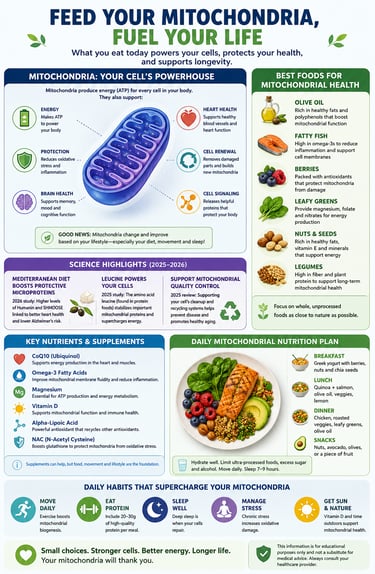
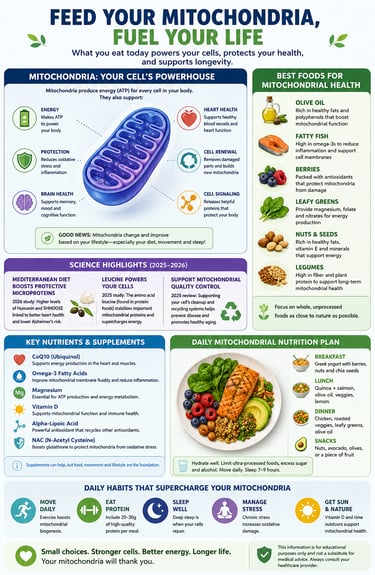
A Mediterranean-style diet rich in extra-virgin olive oil, fatty fish, legumes, vegetables, and whole grains supports mitochondrial health. Research from 2026 shows this pattern raises protective mitochondrial microproteins Humanin and SHMOOSE, while leucine from protein stabilizes mitochondrial energy proteins. Limit refined grains and sugar.
Foods for Mitochondrial Health
1. Extra-virgin olive oil – 1+ tbsp daily boosts Humanin and SHMOOSE
2. Fatty fish – 3+ servings/week for omega-3s and Humanin
3. Legumes – Lentils, chickpeas provide leucine and B vitamins
4. Cruciferous vegetables – Sulforaphane activates mitochondrial biogenesis
5. Berries – Anthocyanins reduce mitochondrial oxidative stress
6. Nuts & seeds – Magnesium and healthy fats for ATP synthesis
7. Whole grains – B1, B2, B3 cofactors for the TCA cycle
Key Takeaways: Mitochondrial Health Diet
1. Your diet programs your mitochondria. Food isn’t just fuel — it sends molecular signals that alter mitochondrial structure, energy output, and protective microprotein production.
2. Mediterranean-style eating boosts mitochondrial microproteins. Higher adherence raises circulating Humanin and SHMOOSE, two peptides linked to heart protection and Alzheimer’s defense (Vicinanza et al., 2026).
3. Extra-virgin olive oil is the MVP. Just 1+ tablespoon daily was independently tied to higher levels of both Humanin and SHMOOSE, while also lowering Nox2-driven oxidative stress.
4. Leucine is a mitochondrial stabilizer. This amino acid inhibits the breakdown of outer mitochondrial membrane proteins, expanding respiratory capacity (Li et al., 2025). Aim for 2–3g per meal from fish, chicken, eggs, legumes, or Greek yoghurt.
5. Fish and legumes matter. Eating fish 3+ times/week and legumes 2+ times/week were each associated with higher Humanin levels. They also deliver omega-3s, B vitamins, and leucine.
6. Refined grains work against you. White bread and refined carbs were linked to lower SHMOOSE levels and promote mitochondrial fragmentation. Swap for whole grains.
7. Mitochondrial quality control needs support. Biogenesis, fusion/fission balance, and mitophagy keep mitochondria healthy. Polyphenols from berries, green tea, and cruciferous vegetables activate these pathways (Ye et al., 2025).
8. Consistency beats extremes. Small, frequent nutrient-dense meals, adequate protein, hydration, and olive oil beat fasting fads or restrictive diets for most people. For mitochondrial disease, avoid prolonged fasting and work with a specialist.
Your Mitochondria Are Listening — Feed Them Wisely
Mitochondria have long been dismissed as mere “powerhouses” tucked inside our cells. The science of 2025–2026 tells a far more compelling story. These organelles are dynamic communicators. They sense what you eat and, in turn, release molecular messengers that shape how your heart ages, how your brain defends itself, and how resilient your metabolism remains.
Two discoveries make this personal. First, a 2026 study from USC and Sapienza University found that people who faithfully follow a Mediterranean-style diet carry higher blood levels of two mitochondrial microproteins — Humanin and SHMOOSE (Vicinanza et al., 2026). These tiny peptides, encoded directly in mitochondrial DNA, are linked to protection against heart disease and Alzheimer’s. Olive oil, fish, and legumes were the strongest dietary predictors of higher levels. Second, work published in Nature Cell Biology in 2025 revealed that the amino acid leucine stabilizes key outer mitochondrial membrane proteins, essentially telling your cells to hold onto the machinery they need for efficient energy production (Li et al., 2025).
What does this mean for you? Your mitochondria aren’t static. They remodel themselves daily based on fuel quality, oxidative stress, and nutrient signals. A tablespoon of extra-virgin olive oil, three servings of fish weekly, and adequate protein to deliver 2–3g of leucine per meal aren’t fads. They are molecular instructions. They dial down damaging Nox2 oxidative pathways (Vicinanza et al., 2026), support mitochondrial quality control (Ye et al., 2025), and expand your cellular energy capacity.
This is precision nutrition at the organelle level. You don’t need extremes or deprivation. You need consistency: colorful plants, quality fats, sufficient protein, and fewer refined grains.
Your mitochondria are listening to every bite. With the right foods, you’re not just feeding yourself — you’re programming your cells for resilience and longevity.
1. What Are Mitochondria — and Why Does Your Diet Matter So Much?
Mitochondria are small organelles found in virtually every cell in your body. Their primary job is producing adenosine triphosphate (ATP) — the universal energy currency your cells use to power everything from muscle contractions to thought.
But their role extends far beyond energy production:
Reactive oxygen species (ROS) regulation — mitochondria generate and manage cellular oxidative stress
Apoptosis control — they trigger programmed cell death when cells become damaged
Calcium signaling — they buffer calcium ions, critical for heart and nerve function
Mitochondrial-derived peptide (MDP) secretion — they release microproteins that act as hormones throughout the body
Immune modulation — mitochondrial signals influence inflammatory pathways
Here is the crucial point: mitochondria are not static machines. Their number, efficiency, structure, and signaling output all respond dynamically to what you eat, how you move, and how you sleep. This plasticity is the foundation of nutritional mitochondriology — and the reason your food choices matter far more than most people realize.
How Mitochondria Make Energy: A Quick Primer
When you eat carbohydrates, fats, or proteins, your digestive system breaks them down into glucose, fatty acids, and amino acids. These molecules enter your cells and are processed through a series of chemical reactions:
Glycolysis — glucose is split into pyruvate in the cell cytoplasm
The TCA (Krebs) cycle — pyruvate and fatty acids are oxidized inside the mitochondrial matrix, releasing electron carriers
Oxidative phosphorylation (OXPHOS) — electron carriers power the electron transport chain (ETC) on the inner mitochondrial membrane, generating the vast majority of ATP
Different nutrients enter this system at different points. This is why the specific composition of your diet — not just total calories — has a profound effect on mitochondrial efficiency.
2. The Diet–Mitochondria Connection: What New Science Reveals
For decades, nutrition science focused on macronutrients — protein, fat, carbohydrate — and their effects on weight and metabolic markers. The emerging field of mitochondrial nutrition goes much deeper. It asks: how does diet change mitochondrial structure, signaling, and quality control at the molecular level?
The answers arriving in 2025 and 2026 are transformative.
Three major mechanisms through which diet influences mitochondrial health:
Substrate availability and respiratory capacity. The fuel you provide directly determines which metabolic pathways dominate. A high-fat, low-carbohydrate diet shifts the mitochondria toward fatty acid oxidation; a high-protein diet rich in leucine activates specific nutrient-sensing pathways (more on this below).
Oxidative stress and antioxidant defense. Poorly controlled mitochondrial ROS production damages mitochondrial DNA, degrades protein complexes in the electron transport chain, and accelerates aging. Dietary antioxidants — including polyphenols from olive oil, berries, and vegetables — help quench this oxidative load.
Mitochondrial biogenesis and quality control. Certain dietary signals activate PGC-1α, the master regulator of mitochondrial biogenesis, prompting cells to build new mitochondria and clear out damaged ones through a process called mitophagy.
A 2025 review in MedComm emphasized that mitochondrial quality control (MQC) — encompassing biogenesis, fusion and fission dynamics, and mitophagy — is the central system that determines whether mitochondria accumulate damage or stay functional. When MQC fails, diseases from neurodegeneration to heart failure to metabolic syndrome follow.
3. The Mediterranean Diet and Mitochondrial Microproteins (2026 Study)
The Study That Changed the Conversation
In March 2026, researchers from the USC Leonard Davis School of Gerontology and Sapienza University of Rome published a landmark study in Frontiers in Nutrition that fundamentally expanded our understanding of how the Mediterranean diet protects health.
The research team, led by Instructional Associate Professor Roberto Vicinanza and senior author Professor Pinchas Cohen, examined patients with atrial fibrillation — a group at elevated cardiovascular risk. They measured circulating blood levels of two newly characterized mitochondrial microproteins: Humanin and SHMOOSE (Small Human Mitochondrial Open Reading Frame Over Serine Transfer RNA).
The key finding: patients who closely followed a Mediterranean diet had significantly higher plasma levels of both Humanin and SHMOOSE compared with those who had low or moderate dietary adherence.
What Are Humanin and SHMOOSE?
Humanin and SHMOOSE belong to a new class of molecules called mitochondrial-derived peptides (MDPs) — tiny proteins encoded not in the cell nucleus, but directly within mitochondrial DNA. They are extraordinarily small (fewer than 100 amino acids), but biologically potent.
Humanin has been linked to:
Improved insulin sensitivity
Protection against cell death (anti-apoptotic effects)
Defense against cardiovascular disease
Suppression of harmful oxidative stress (particularly Nox2-mediated ROS)
SHMOOSE has been linked to:
Protection of brain cells from amyloid-β toxicity
Reduced risk of Alzheimer's disease (a genetic variant of SHMOOSE is associated with increased Alzheimer's risk)
Metabolic resilience
As Professor Cohen put it, these peptides are "emerging as key regulators of aging biology," connecting mitochondrial function to heart disease, neurodegeneration, and now nutrition.
Which Foods Drive These Microproteins?
A granular breakdown of the study data reveals which specific Mediterranean diet components predicted higher microprotein levels:
Higher SHMOOSE levels were associated with:
Consuming at least one tablespoon of extra-virgin olive oil daily
Eating less refined/white bread
Higher Humanin levels were associated with:
At least one tablespoon of extra-virgin olive oil daily
Three or more servings of fish per week
Two or more servings of legumes per week
Critically, higher Humanin levels were also inversely associated with sNox2-dp — a marker of oxidative stress — even after adjusting for sex and BMI. This suggests that Humanin may be a key molecular bridge between Mediterranean diet adherence and cardiovascular protection via Nox2 suppression.
What This Means for You
These microproteins "may act as molecular messengers that translate what we eat into how our cells function and age," explained Vicinanza. This opens an entirely new framework for thinking about diet and longevity: your food choices don't just fuel your cells — they instruct your mitochondria to produce protective signals.
Study limitations to keep in mind: The study was cross-sectional (meaning it shows association, not causation), involved a relatively small sample of older atrial fibrillation patients, and used a brief dietary questionnaire. Larger prospective studies are needed to confirm causality and generalizability.
4. The Leucine Discovery: How One Amino Acid Supercharges Your Cells (2025)
A Breakthrough Published in Nature Cell Biology
In October 2025, a research team led by Professor Thorsten Hoppe at the University of Cologne's Institute for Genetics published a landmark mechanistic study in Nature Cell Biology revealing exactly how the amino acid leucine enhances mitochondrial energy production.
The finding: leucine suppresses the degradation of proteins on the outer mitochondrial membrane (OMM), stabilizing critical components of the mitochondrial protein import machinery — including TOMM40 — and thereby expanding the mitochondrial proteome and boosting respiratory capacity.
The Leucine–GCN2–SEL1L Axis: How It Works
Here's the molecular pathway, simplified:
When leucine is abundant in the cell (e.g., after consuming a protein-rich meal), it inhibits the amino acid sensor GCN2
GCN2 inhibition reduces the activity of a protein called SEL1L at the outer mitochondrial membrane
With less SEL1L activity, ubiquitin-dependent degradation of outer mitochondrial membrane proteins slows significantly
Key proteins — including those of the protein import machinery and the electron transport chain — stabilize and accumulate
The result: an expanded mitochondrial proteome and enhanced respiratory capacity
In plain terms: when leucine is available, your mitochondria hold onto the proteins they need to function at full capacity. When leucine is scarce, mitochondrial function declines.
This represents the first clearly defined molecular mechanism linking a specific dietary amino acid to mitochondrial respiration — and it has implications reaching far beyond sports nutrition.
Leucine, Aging, and Metabolic Disease
The researchers also found that defects in leucine metabolism impaired fertility in C. elegans and caused human lung cancer cells to become resistant to mitochondrial protein import inhibition. This suggests the leucine–mitochondria axis is deeply conserved across species and highly relevant to metabolic disorders and cancer biology.
For healthy aging, the implications are significant. Leucine intake tends to decline with age — both because older adults often eat less protein and because leucine metabolism becomes less efficient. The muscle mass loss of aging (sarcopenia) may be partly explained by this impaired leucine signaling to mitochondria.
Best Dietary Sources of Leucine
Food Leucine Content (per 100g) Chicken breast (cooked) ~2.7g Tuna (canned in water) ~2.5g Firm tofu ~1.4g Lentils (cooked) ~0.7g Greek yogurt ~0.9g Eggs (whole) ~1.1g Whey protein powder ~10–11g
The commonly cited minimum threshold for maximally stimulating muscle protein synthesis — and now, potentially, mitochondrial protein stabilization — is approximately 2–3g of leucine per meal.
5. Mitochondrial Quality Control: The Hidden System You Need to Support
What Is MQC?
Mitochondria are continuously recycling themselves. Damaged organelles are identified and removed; new ones are built; the membrane network undergoes constant restructuring. This entire system is called mitochondrial quality control (MQC).
A comprehensive 2025 review published in MedComm by Ye, Fu, and Li mapped the three main pillars of MQC:
1. Mitochondrial Biogenesis — the creation of new mitochondria, regulated by the transcriptional coactivator PGC-1α. Caloric restriction, exercise, and certain dietary polyphenols (especially resveratrol and sulforaphane) activate PGC-1α.
2. Mitochondrial Dynamics (Fusion and Fission) — mitochondria constantly merge (fusion) and divide (fission). Fusion proteins (MFN1, MFN2, OPA1) and fission proteins (DRP1, FIS1) maintain this balance. Diet dramatically affects this balance: excess calories and high-fat diets promote fragmentation; controlled nutrition supports healthy elongation.
3. Mitophagy — the selective autophagy of damaged mitochondria. When this process fails, dysfunctional mitochondria accumulate, producing excess ROS and triggering cellular damage cascades linked to neurodegeneration, heart failure, and metabolic syndrome.
Why MQC Breakdown Drives Disease
When MQC is disrupted, the consequences are severe:
In the heart and brain — high-energy tissues that can't tolerate energy deficits — accumulated dysfunctional mitochondria produce excess ROS and trigger apoptotic cascades
In metabolic tissues (liver, muscle, adipose), impaired mitophagy contributes to insulin resistance and type 2 diabetes
In neurons, fragmented mitochondria and failed mitophagy are hallmarks of Alzheimer's and Parkinson's disease
The good news: dietary interventions can meaningfully support MQC at each level.
6. Top Foods for Mitochondrial Health
Based on the totality of current evidence, these food categories have the strongest support for supporting mitochondrial function:
Extra-Virgin Olive Oil
The MVP of mitochondrial nutrition. Rich in oleocanthal (a natural COX inhibitor), hydroxytyrosol (a potent antioxidant), and oleic acid (an efficient mitochondrial fuel). The 2026 USC study found olive oil consumption was independently associated with higher levels of both Humanin and SHMOOSE.
Recommended intake: At least 1 tablespoon daily; the Mediterranean diet standard is 3–4 tablespoons.
Fatty Fish (Salmon, Sardines, Mackerel, Tuna)
Rich in long-chain omega-3 fatty acids (EPA and DHA), which are incorporated into inner mitochondrial membranes, reducing their rigidity and improving electron transport chain efficiency. Fish consumption was independently associated with higher Humanin levels in the 2026 study.
Recommended intake: 3 or more servings per week (as used in the study showing Humanin benefits).
Legumes (Lentils, Chickpeas, Black Beans, Edamame)
Excellent sources of leucine, B vitamins (especially folate, B1, B2, B3), and polyphenols. Legume consumption was associated with higher Humanin in the 2026 study. They also provide slow-digesting carbohydrates that prevent blood sugar spikes, which cause mitochondrial fragmentation.
Cruciferous Vegetables (Broccoli, Brussels Sprouts, Cauliflower)
Contain sulforaphane, one of the most potent known activators of the Nrf2 pathway — a master regulator of antioxidant defense and mitochondrial biogenesis. Sulforaphane also activates PGC-1α directly.
Berries (Blueberries, Strawberries, Raspberries)
Exceptionally rich in anthocyanins and other flavonoids shown to activate AMPK and PGC-1α, promoting mitochondrial biogenesis. The polyphenol pterostilbene (found in blueberries) is particularly bioavailable.
Nuts and Seeds (Especially Walnuts, Almonds, Chia Seeds)
Provide healthy fats, magnesium (a cofactor for over 300 mitochondrial enzyme reactions), alpha-lipoic acid precursors, and vitamin E. Walnuts contain both ALA omega-3 and ellagitannins — powerful mitochondrial antioxidants.
Whole Grains (Oats, Quinoa, Brown Rice)
Supply B vitamins — thiamine (B1), riboflavin (B2), and niacin (B3) — which are essential cofactors for the TCA cycle and electron transport chain complexes. Swapping refined grains for whole grains is one of the easiest mitochondrial upgrades you can make.
Green Tea
Contains EGCG (epigallocatechin gallate), a catechin that activates mitophagy, stimulates PGC-1α, and reduces mitochondrial ROS. Daily consumption of 2–4 cups is associated with improved metabolic markers in multiple studies.
7. Nutrients and Supplements: What the Evidence Says
While food should always come first, certain nutrients and supplements have earned genuine scientific support for mitochondrial function.
Coenzyme Q10 (CoQ10)
Role: Essential electron carrier in the electron transport chain (Complex I to Complex III). Also acts as a fat-soluble antioxidant within mitochondrial membranes.
Evidence: Among the most consistently supported mitochondrial supplements. Particularly relevant for individuals on statin medications (statins deplete CoQ10 by ~40%) and for those with mitochondrial disease. The 2026 MitoCanada Nutrition Guide notes that CoQ10 is among the most commonly considered supplements by mitochondrial specialists.
Typical doses: 100–300mg daily with a fat-containing meal (ubiquinol form has better absorption in older adults).
B Vitamins (B1, B2, B3, B12)
Role: Critical cofactors for TCA cycle enzymes and the electron transport chain.
Thiamine (B1): Cofactor for pyruvate dehydrogenase, the gateway enzyme connecting glycolysis to the TCA cycle
Riboflavin (B2): Component of FAD, a key electron carrier; specific relevance for ACAD9-related mitochondrial myopathy
Niacin (B3): Precursor to NAD+, a central electron carrier in mitochondrial energy production
Deficiencies in any of these B vitamins can dramatically impair mitochondrial energy output.
L-Carnitine
Role: Transports long-chain fatty acids across the inner mitochondrial membrane for beta-oxidation. Without sufficient carnitine, fat cannot be efficiently burned for energy.
Evidence: Well-supported for individuals with carnitine deficiency (which can be secondary to certain medications, kidney disease, or mitochondrial disorders). Evidence in healthy populations is more mixed.
Magnesium
Role: Cofactor for over 300 enzymatic reactions, including those involved in ATP synthesis (ATP exists primarily as an Mg-ATP complex in cells).
Evidence: Deficiency is common in Western populations and impairs mitochondrial function. Supplementation with 200–400mg of magnesium glycinate or malate daily is often appropriate.
Alpha-Lipoic Acid (ALA)
Role: Cofactor for several mitochondrial enzyme complexes; also regenerates other antioxidants (vitamin C, vitamin E, glutathione) within mitochondria.
Evidence: Well-established as a mitochondrial antioxidant with benefits in diabetic neuropathy and metabolic syndrome.
⚠️ Important: Before starting any supplement regimen — especially for mitochondrial conditions — consult a physician or registered dietitian familiar with mitochondrial medicine. Supplements can interact with medications and may not be appropriate for all individuals.
Supplement Evidence Summary
Riboflavin (B2)
Primary Mechanism: Serves as a flavin adenine dinucleotide (FAD) cofactor.
Strength of Evidence: Strong (specifically for distinct mitochondrial and metabolic diseases).
Key Consideration: Especially relevant for individuals with genetic ACAD9 or ETFDH mutations.
Thiamine (B1)
Primary Mechanism: Functions as a critical cofactor for pyruvate dehydrogenase.
Strength of Evidence: Strong.
Key Consideration: Highly important for managing carbohydrate metabolism disorders.
CoQ10
Primary Mechanism: Aids mitochondrial electron transport and acts as a lipid-soluble antioxidant.
Strength of Evidence: Moderate to Strong.
Key Consideration: Best absorbed when taken as the ubiquinol form alongside a source of dietary fat.
L-Carnitine
Primary Mechanism: Facilitates the transport of long-chain fatty acids into the mitochondria for energy production.
Strength of Evidence: Moderate.
Key Consideration: Shows the highest benefit in individuals with a baseline carnitine deficiency.
Magnesium
Primary Mechanism: Acts as an essential ATP (adenosine triphosphate) cofactor involved in over 300 enzymatic reactions.
Strength of Evidence: Moderate.
Key Consideration: Deficiency is incredibly common in standard Western diets.
Alpha-Lipoic Acid
Primary Mechanism: Drives antioxidant recycling within cells.
Strength of Evidence: Moderate.
Key Consideration: Particularly useful for individuals managing metabolic syndrome or diabetic neuropathy.
8. The Mitochondrial Nutrition Protocol: A Practical Plan
Your Daily Mitochondrial Plate
The following framework integrates the evidence from current research into a practical eating pattern:
At every meal, aim for:
A quality protein source (fish, legumes, poultry, eggs, Greek yogurt) to provide leucine and other essential amino acids
Colorful vegetables (especially cruciferous and leafy greens) to supply antioxidants and B vitamins
Healthy fat (extra-virgin olive oil as the primary cooking and dressing oil) to support membrane fluidity and microprotein production
Complex carbohydrates (whole grains, legumes) for steady glucose — avoiding blood sugar spikes that fragment mitochondria
What to minimize:
Refined grains and white bread (specifically associated with lower SHMOOSE in the 2026 study)
Excess added sugar (promotes mitochondrial ROS and fragmentation)
Ultra-processed foods (nutrient-poor, high in pro-inflammatory additives)
Excessive alcohol (disrupts mitochondrial membrane integrity and depletes NAD+)
Sample 3-Day Mitochondrial Meal Plan
Day 1
Breakfast: Steel-cut oats with blueberries, walnuts, and a drizzle of honey; green tea
Lunch: Large salad with mixed greens, canned sardines, chickpeas, roasted red pepper, olives, and extra-virgin olive oil dressing
Dinner: Baked salmon with roasted broccoli and lentils; glass of water with lemon
Snack: Greek yogurt with pumpkin seeds
Day 2
Breakfast: Scrambled eggs with spinach and cherry tomatoes, cooked in olive oil; whole-grain toast
Lunch: Lentil soup with a side of whole-grain bread (minimal); handful of almonds
Dinner: Chicken breast with quinoa and roasted Brussels sprouts in olive oil
Snack: Apple slices with almond butter
Day 3
Breakfast: Greek yogurt parfait with strawberries, chia seeds, and granola
Lunch: Tuna salad (olive oil, not mayo) with mixed greens and sliced avocado
Dinner: Black bean and vegetable stir-fry with brown rice; drizzled with sesame oil and topped with edamame
Snack: Walnuts and a small pear
Timing and Hydration Tips
Eat at regular intervals. Prolonged fasting can increase metabolic stress, particularly for those with any mitochondrial dysfunction. Aim for meals every 4–5 hours.
Prioritize protein at breakfast. A leucine-rich breakfast (eggs, Greek yogurt, or legumes) starts mitochondrial protein stabilization early in the day.
Hydrate consistently. Even mild dehydration impairs cellular metabolism and exacerbates fatigue. Aim for 6–8 glasses of water daily, adjusted for body size, activity, and climate.
Limit late-night eating. Circadian disruption of eating patterns impairs mitophagy and mitochondrial biogenesis.
9. Diet for Mitochondrial Disease: Special Considerations
For the estimated 1 in 4,300 individuals living with a diagnosed mitochondrial disease, nutrition is a critical — and complex — component of management.
The 2026 MitoCanada Nutrition Guide emphasizes several key principles for this population:
Energy availability is paramount. Because energy-producing pathways may be impaired, even brief gaps in nutritional intake can cause significant fatigue and symptom flares. Small, frequent meals (every 2–4 hours) are often superior to three large meals.
Restrict fasting carefully. Extended fasting can be dangerous in mitochondrial disease, particularly for individuals who rely heavily on carbohydrate metabolism. If fasting is being considered for any reason, it must be supervised by a healthcare provider.
Highly restrictive diets are generally discouraged unless medically indicated. Removing entire food groups — including very low-carbohydrate or very low-fat approaches — can eliminate essential cofactors and increase metabolic stress.
The "Mito Cocktail" is individualized. There is no single standard supplement protocol. Specialists tailor CoQ10, riboflavin, thiamine, niacin, and L-carnitine based on genetic diagnosis, symptoms, lab findings, and medications.
Energy conservation matters. Meal preparation itself can be exhausting. Sitting while cooking, using convenience foods strategically, and planning meals in advance help preserve limited energy reserves.
A 2023 commentary in Neurotherapeutics (Saneto & Karaa) noted that optimized nutrition in mitochondrial disease is associated with improved muscle fatigue, strength, and quality of life — reinforcing that dietary management is not optional but a core therapeutic pillar.
⚠️ If you have a diagnosed mitochondrial condition, work with a registered dietitian experienced in metabolic disorders before making dietary changes.
10. Evidence Summary Table
1. Mediterranean Diet Adherence
Mitochondrial Benefit: Significantly increases circulating levels of the protective microproteins Humanin and SHMOOSE, while downregulating Nox2-mediated oxidative stress.
Key Evidence: Vicinanza et al., Frontiers in Nutrition (2026).
Evidence Level: Clinical study.
2. Extra-Virgin Olive Oil (EVOO)
Mitochondrial Benefit: Acts as a primary dietary driver to elevate plasma Humanin and SHMOOSE levels, improving cellular signaling and longevity markers.
Key Evidence: Vicinanza et al., Frontiers in Nutrition (2026).
Evidence Level: Clinical study
.
3. Fatty Fish ( 3 Servings/Week)
Mitochondrial Benefit: Boosts Humanin production; provides long-chain omega-3 fatty acids that incorporate into the inner mitochondrial membrane to optimize fluidity and electron transport chain efficiency.
Key Evidence: Vicinanza et al., Frontiers in Nutrition (2026) alongside established omega-3 mechanistic data.
Evidence Level: Clinical + mechanistic.
4. Legumes (2 Servings/Week)
Mitochondrial Benefit: Stimulates higher Humanin secretion while acting as an excellent whole-food source of leucine and essential B-vitamin cofactors.
Key Evidence: Vicinanza et al., Frontiers in Nutrition (2026).
Evidence Level: Clinical study.
5. Leucine (Essential Amino Acid)
Mitochondrial Benefit: Inhibits the cellular sensor GCN2 to suppress SEL1L activity, effectively stabilizing critical Outer Mitochondrial Membrane (OMM) proteins (like TOMM40) and expanding respiratory capacity.
Key Evidence: Li et al., Nature Cell Biology (2025).
Evidence Level: Mechanistic (animal and cell models).
6. B Vitamins
Mitochondrial Benefit: Serves as an indispensable cofactors powering the TCA (Krebs) cycle and the electron transport chain complexes (e.g., FAD and NAD+ precursors).
Key Evidence: MitoCanada Nutrition Guide (2026) and global clinical consensus.
Evidence Level: Evidence-based guideline.
7. Caloric Restriction / Target Fasting
Mitochondrial Benefit: Upregulates PGC-1alpha to trigger mitochondrial biogenesis; directly stimulates mitophagy to clear out broken organelles and enhance overall Mitochondrial Quality Control (MQC).
Key Evidence: Multiple randomized controlled trials (RCTs) and long-term human observational studies.
Evidence Level: Strong.
8. Coenzyme Q10 (CoQ10)
Mitochondrial Benefit: Functions as a critical, fat-soluble electron shuttle moving electrons from Complex I/II to Complex III within the electron transport chain; acts as a direct membrane antioxidant.
Key Evidence: Cochrane systematic reviews and international mitochondrial disease management guidelines.
Evidence Level: Moderate.
9. Dietary Polyphenols (EGCG, Anthocyanins, Sulforaphane)
Mitochondrial Benefit: Activates the Nrf2 and AMPK pathways, prompting PGC-1alpha activation, encouraging cellular mitophagy, and neutralizing excessive reactive oxygen species (ROS).
Key Evidence: Extensive in vitro (cell) and in vivo (animal) literature, supported by emerging human biomarker data.
Evidence Level: Moderate.
11. Common Myths and Mistakes
Myth 1: "You need to fast aggressively to clean out your mitochondria."
Reality: While intermittent fasting can stimulate mitophagy in some contexts, prolonged fasting is counterproductive — and potentially dangerous — for many people, especially those with any mitochondrial dysfunction. Consistent nutrient availability supports the enzymatic machinery that mitophagy requires. If you're interested in fasting for metabolic health, discuss the appropriate protocol with your doctor.
Myth 2: "All fats are bad for mitochondria."
Reality: The type of fat matters enormously. Saturated fats in excess can promote mitochondrial fragmentation and inflammation. But omega-3 fatty acids (from fish and walnuts) and monounsaturated fats (from olive oil) are incorporated into mitochondrial membranes and improve their function. The 2026 study specifically showed olive oil was beneficial.
Myth 3: "A ketogenic diet is the best diet for mitochondrial health."
Reality: The ketogenic diet can benefit some specific mitochondrial disorders where carbohydrate metabolism is impaired. However, it is not universally superior. For most people and for most mitochondrial conditions, a balanced, Mediterranean-style diet outperforms extreme macronutrient restriction. The MitoCanada 2026 guide explicitly states that highly restrictive diets are generally discouraged without medical supervision.
Myth 4: "Taking CoQ10 is enough to fix mitochondrial problems."
Reality: CoQ10 is valuable, but no single supplement compensates for a poor overall diet. Mitochondrial health requires a full complement of B vitamins, minerals, antioxidants, and appropriate macronutrients working together. Supplements should complement — not substitute for — a high-quality dietary pattern.
Myth 5: "Protein is hard on your mitochondria."
Reality: The opposite is often true. Protein provides leucine and other amino acids that — as the 2025 Nature Cell Biology study showed — directly stabilize outer mitochondrial membrane proteins and enhance respiratory capacity. Adequate protein intake is essential, especially as we age.
Myth 6: "Young, healthy people don't need to think about mitochondrial nutrition."
Reality: Mitochondrial health starts declining subtly from the third decade of life. Building strong mitochondrial health in your 20s and 30s through consistent dietary habits provides compounding benefits across your lifespan. Prevention is dramatically more effective than remediation.
12. Frequently Asked Questions
What is the best diet for mitochondrial health?
Based on current evidence, a Mediterranean-style diet — emphasizing extra-virgin olive oil, fatty fish, legumes, vegetables, whole grains, and nuts, while limiting refined carbohydrates and ultra-processed foods — has the strongest support for mitochondrial health. A 2026 study found this pattern is directly associated with higher circulating levels of the protective mitochondrial microproteins Humanin and SHMOOSE.
What foods are high in Humanin and SHMOOSE?
You cannot directly consume Humanin or SHMOOSE — they are produced by your own mitochondria. However, specific foods appear to stimulate their production: extra-virgin olive oil, fatty fish (3+ servings per week), and legumes (2+ servings per week) were all independently associated with higher levels of these microproteins in a 2026 clinical study.
Does leucine really boost mitochondrial energy?
Yes, according to a 2025 Nature Cell Biology study from the University of Cologne. Leucine — an essential amino acid found in chicken, fish, eggs, dairy, legumes, and whey protein — suppresses the degradation of outer mitochondrial membrane proteins through a newly identified leucine–GCN2–SEL1L axis, enhancing mitochondrial respiratory capacity. Aim for 2–3g of leucine per meal, which is achievable through normal protein-containing meals.
Can diet reverse mitochondrial dysfunction?
Diet can meaningfully improve mitochondrial function, support quality control mechanisms, and slow the progression of dysfunction. However, for individuals with genetic mitochondrial disorders, diet is supportive — not curative. In otherwise healthy individuals experiencing age-related mitochondrial decline, dietary interventions (especially Mediterranean-style eating and adequate protein) can produce clinically meaningful improvements in energy, metabolic markers, and biomarkers of mitochondrial health.
What supplements support mitochondrial health?
The supplements with the best evidence include CoQ10 (ubiquinol form), riboflavin (B2), thiamine (B1), niacin (B3), L-carnitine, magnesium, and alpha-lipoic acid. Supplement needs vary by individual health status, genetics, and medications. Always consult a healthcare provider before starting a supplement regimen, especially for mitochondrial disease.
Is intermittent fasting good or bad for mitochondria?
It depends. Time-restricted eating (e.g., 12–16 hour overnight fast) can stimulate beneficial mitophagy in healthy individuals. However, prolonged fasting or skipping meals frequently is counterproductive — especially for those with mitochondrial disease or metabolic conditions — as it depletes substrates needed for energy production and can trigger symptom flares. Regular meal timing with adequate nutrition is the foundation; discuss fasting approaches with your healthcare provider.
How does sugar affect mitochondria?
Excess sugar — especially refined sugar and high-fructose corn syrup — promotes mitochondrial fragmentation, increases ROS production, impairs electron transport chain efficiency, and reduces mitophagy. Replacing refined sugars with complex carbohydrates from whole grains and legumes helps maintain stable glucose levels and supports mitochondrial integrity.
What role does hydration play in mitochondrial function?
Hydration is essential for cellular metabolism, including mitochondrial energy production. Even mild dehydration impairs the movement of metabolic substrates and electrons through the enzymatic pathways that generate ATP. It also worsens symptoms of mitochondrial dysfunction including fatigue, muscle cramps, and cognitive difficulty. Consistent fluid intake throughout the day — including water-rich foods — is an underappreciated component of mitochondrial nutrition.
Can exercise help mitochondrial health in addition to diet?
Absolutely — exercise is arguably the most powerful known stimulus for mitochondrial biogenesis and quality control. Aerobic exercise activates PGC-1α and AMPK, promoting new mitochondria formation and mitophagy. Resistance exercise stimulates leucine uptake and mitochondrial protein synthesis. Diet and exercise work synergistically: the mitochondria you build through exercise are better equipped to use the nutrients you provide through diet.
What are mitochondrial microproteins and why do they matter?
Mitochondrial microproteins (also called mitochondrial-derived peptides or MDPs) are small proteins encoded directly within mitochondrial DNA — specifically within small open reading frames (smORFs). Humanin and SHMOOSE are the best-characterised examples. They are secreted into the bloodstream and act like hormones, with documented effects on cardiovascular protection, insulin sensitivity, Alzheimer's risk, and inflammation. The discovery that diet influences their levels opens a new dimension of precision nutrition research.
How quickly can diet changes affect mitochondrial health?
Measurable changes in mitochondrial function can occur within weeks of dietary shifts. Studies on Mediterranean diet adherence, caloric restriction, and increased omega-3 intake have shown improvements in oxidative stress markers and mitochondrial biogenesis within 4–12 weeks. However, building deep, durable mitochondrial health is a long-term endeavor — the most impactful benefits accumulate over months and years of consistent dietary habits.
13. Clinical Pearls
1. Targeting the Leucine–GCN2–SEL1L Axis for Sarcopenia Prevention
Age-related muscle wasting (sarcopenia) is tied to a progressive decline in mitochondrial proteome volume and lower respiratory capacity. The 2025 discovery of the leucine–GCN2–SEL1L axis demonstrates that sufficient intracellular leucine actively prevents the ubiquitin-dependent degradation of the Outer Mitochondrial Membrane (OMM) translocase proteins (like TOMM40).
By prescribing pulsed dietary protein or isolated leucine supplements (minimum 3g leucine per pulse, 3 times daily), clinicians can pharmacologically bypass age-associated anabolic resistance. This stabilizes the OMM import machinery, expands the mitochondrial proteome, and maintains myofibrillar ATP production in aging skeletal muscle.
"As we get older, our muscles naturally lose some of their strength and energy because the microscopic power plants inside them—our mitochondria—begin to break down and disappear.
New science shows that an amino acid called leucine acts like a shield for these power plants. It stops your cells from destroying the machinery they need to make energy. By making sure you get enough leucine at every meal (from foods like chicken, fish, eggs, or whey protein), you are essentially giving your cells the blueprints to keep those power plants intact, helping you maintain your muscle strength and energy as you age."
2. Elevating Circulating Humanin to Mitigate Nox2-Mediated Cardiovascular Risk
Endothelial dysfunction and atrial fibrillation are heavily driven by oxidative stress, specifically mediated by soluble Nox2. The 2026 USC-Rome study highlighted that strict adherence to a Mediterranean diet elevates the secretion of the mitochondrial-derived peptide Humanin.
Humanin acts as an endogenous cytoprotective hormone, downregulating Nox2 activation and reducing superoxide production. Cardiologists and lipidologists can leverage a high-fat/monounsaturated fatty acid (MUFA) protocol ( 3–4 tablespoons of polyphenol-rich extra-virgin olive oil and 3 servings of fatty fish weekly) as a targeted therapy to increase plasma Humanin, thereby lowering vascular oxidative stress and protecting cardiomyocytes from ischemic injury.
"When your blood vessels experience stress or inflammation, they produce harmful molecules that can damage your heart over time. Think of it like rust forming on a pipe.
Your mitochondria can actually produce a built-in anti-rust hormone called Humanin. A major study in 2026 showed that when people ate a traditional Mediterranean diet rich in extra-virgin olive oil and fish, their mitochondria produced much higher levels of this protective hormone. Eating these healthy fats acts like a direct instruction to your cells to release their own heart-protecting medicine."
3. Prescribing SHMOOSE-Inducing Diets for Neurodegenerative Risk Reduction
Alzheimer’s disease is heavily characterized by early-stage cerebral glucose hypometabolism and amyloid- beta toxicity. The newly identified microprotein SHMOOSE crosses the blood-brain barrier and binds to neuronal receptors, optimizing mitochondrial bioenergetics and offering potent neuroprotection against $A\beta$ plaques.
Because the 2026 study linked diets high in refined grains and simple sugars to suppressed SHMOOSE levels, early neurological intervention should prioritize a low-glycemic, Mediterranean framework. Eliminating refined flours and incorporating extra-virgin olive oil daily helps maintain plasma SHMOOSE, providing a metabolic buffer to preserve neuronal ATP production and slow cognitive decline.
"Long before memory problems appear in diseases like Alzheimer's, the brain's cells begin to run out of gas because they lose the ability to burn sugar efficiently.
Your brain cells have a tiny, protective bodyguard protein called SHMOOSE, which is made by your mitochondria to keep brain cells alive and resilient against toxic plaques. However, eating refined white bread and sugar causes your body to turn down the production of this bodyguard. Swapping out processed carbs for whole foods and healthy fats helps keep your brain's defense system turned on."
4. Therapeutic Pacing of Caloric Intake in Mitochondrial Disease Management
In patients with confirmed genetic mitochondrial disease (e.g., MELAS, LHON, or specific electron transport chain complex mutations), the cellular safety margin for ATP production is razor-thin. Catabolic states induced by prolonged fasting force the body to rely heavily on beta-oxidation or gluconeogenesis, which can overwhelm compromised respiratory chains, trigger severe lactic acidosis, and cause metabolic "crashes."
Clinicians must enforce strict nutritional pacing: small, complex carbohydrate- and protein-rich meals spaced precisely 2 to 4 hours apart during waking hours. This strategy maintains a continuous, predictable baseline of substrate availability, preventing energy deficits and protecting high-metabolic-demand organs like the heart and brain.
"If you have a diagnosed mitochondrial condition, your body’s power plants are already working with a very limited capacity. When you go too long without eating, your body is forced to scramble for alternative, complex fuel sources, which can completely overload and crash your system—causing severe fatigue or symptom flares.
To prevent this, we treat your meals like medicine. By eating small, balanced snacks every few hours, you keep a slow, steady stream of fuel flowing into your cells, ensuring your power plants are never caught empty-handed."
5. Utilizing Nrf2 and PGC-1alpha Activators to Drive Compensatory Mitophagy
When mitochondrial quality control (MQC) breaks down, dysfunctional organelles linger in the cell, spilling out excessive reactive oxygen species (ROS) and triggering chronic, systemic inflammation. To combat this in patients presenting with metabolic syndrome or chronic fatigue, clinicians can utilize nutritional compounds that act as xenohormetic stressors to upregulate PGC-1\alpha (driving mitochondrial biogenesis) and Nrf2 (driving antioxidant defense and mitophagy).
Prescribing culinary doses of sulforaphane (from cruciferous sprouts), epigallocatechin gallate (EGCG from green tea), and pterostilbene (from berries) forces cellular pathways to digest damaged mitochondria and replace them with efficient, newly minted organelles.
"When the power plants in your cells get old or damaged, they stop making energy and start leaking toxic stress molecules into your body, making you feel sluggish and inflamed. Your cells have a built-in trash disposal system called mitophagy that clears out this junk.
We can trigger this cleaning process using specific compounds found in foods like broccoli sprouts, green tea, and deep-colored berries. These foods essentially 'turn on the cleaning crew,' forcing your body to recycle old, broken power plants and build fresh, high-performing ones in their place."
6. Tailoring the "Mito Cocktail" to Correct Co-Factor Depletion from Common Medications
Many widely prescribed pharmaceuticals act as unrecognized mitochondrial toxins. For instance, statins inhibit the HMG-CoA reductase pathway, simultaneously blocking the endogenous synthesis of Coenzyme Q10 (an indispensable electron carrier in the ETC). Similarly, metformin can mildly inhibit Complex I of the electron transport chain, and certain antibiotics deplete essential B-vitamin cofactors.
When managing patients on these long-term medication regimens who present with standard side effects like myalgia or unexplained lethargy, clinicians should introduce an individualized "Mito Cocktail." This target protocol typically combines 100–300mg of highly bioavailable ubiquinol with a stabilized B-complex to restore electron transport chain efficiency.
"Many vital everyday medications, like cholesterol-lowering statins, do a wonderful job protecting your health, but they can sometimes take a heavy toll on your cellular energy. They accidentally deplete a key spark plug called CoQ10 that your power plants require to pass energy along the production line.
If you are experiencing muscle aches or low energy on these medications, we don't necessarily have to stop them. Instead, we can supplement your diet with targeted nutrients like CoQ10 and specific B-vitamins to replace what the medication is draining, keeping your cells fully charged."
14. . Conclusion and Action Steps
The science of mitochondrial nutrition has undergone a quiet revolution. We now know that the foods on your plate don't just provide calories — they send molecular signals that shape how your mitochondria produce energy, manage oxidative stress, regulate aging biology, and protect your heart and brain.
The evidence is converging on a clear picture: a Mediterranean-style dietary pattern, rich in extra-virgin olive oil, fatty fish, legumes, colorful vegetables, and whole grains, supports mitochondrial health through multiple complementary mechanisms — including the production of protective microproteins Humanin and SHMOOSE, enhanced leucine signaling, reduced oxidative stress, and supported mitochondrial quality control.
Your Mitochondrial Health Action Plan
This week:
Switch your cooking oil to extra-virgin olive oil
Add one serving of fatty fish (salmon, sardines, mackerel) to your diet
Replace refined bread and white rice with whole-grain alternatives
This month:
Aim for at least 3 fish servings and 2 legume servings per week
Build the habit of a protein-containing breakfast daily (eggs, Greek yogurt, or beans with leucine-rich whole foods)
Add a daily serving of colorful vegetables (especially cruciferous) to at least one meal
Have your B12 and magnesium levels checked by your doctor
Long-term:
Adopt a Mediterranean-style dietary pattern as your default eating approach
Incorporate regular aerobic and resistance exercise to amplify dietary benefits
Work with a registered dietitian if you have a diagnosed metabolic or mitochondrial condition
Monitor emerging research on Humanin, SHMOOSE, and other mitochondrial-derived peptides — this is a rapidly evolving field
Your mitochondria are remarkable, adaptable, and profoundly responsive to what you eat. The most powerful longevity intervention available to you starts at your next meal.
Disclaimer: This article is for informational purposes only and does not constitute medical advice. Individual circumstances vary, and treatment decisions should always be made in consultation with qualified healthcare professionals.
Related Articles
Can the Fasting-Mimicking Diet Reset Your Metabolism and Slow Biological Aging? | DR T S DIDWAL
Full-Fat Dairy Actually Good for You? The New Science on C15:0 & C17:0 and Heart Health
De Novo Lipogenesis Explained: How Sugar Turns Into Liver Fat and High Triglycerides
Rethinking Dietary Fats: What New Research Reveals About Plant vs. Animal Fats | DR T S DIDWAL
What’s New in the 2025 Blood Pressure Guidelines? A Complete Scientific Breakdown | DR T S DIDWAL
Low-Fat vs. Low-Carb: Which Diet is Best for Weight Loss? | DR T S DIDWAL
References
Ahn, B., Wu, X., & Kim, Y. (2025). Dietary management and nutritional strategies for preventing age-related diseases. Nutrients, 17(9), Article 1450. https://doi.org/10.3390/nu17091450
Bhatt, S., & Bhatt, D. L. (2023). The Mediterranean diet and the heart. NEJM Evidence, 2(3). https://doi.org/10.1056/EVIDra2200121
Bhatti, J. S., Bhatti, G. K., & Reddy, P. H. (2017). Mitochondrial dysfunction and oxidative stress in metabolic disorders. Progress in Molecular Biology and Translational Science, 146, 129–136. https://doi.org/10.1016/bs.pmbts.2016.12.008
Cedikova, M., Kripnerova, M., Dvorakova, J., Pitule, P., Grundmanova, M., Babuska, V., Kuncova, J., & Stengl, M. (2016). Mitochondria in white, brown, and beige adipocytes. Stem Cells International, 2016, Article 6067349. https://doi.org/10.1155/2016/6067349
Chaban, Y., Boekema, E. J., & Dudkina, N. V. (2014). Structures of mitochondrial oxidative phosphorylation supercomplexes and mechanisms for their stabilization. Biochimica et Biophysica Acta (BBA) - Bioenergetics, 1837(4), 418–426. https://doi.org/10.1016/j.bbabio.2013.11.011
de Oliveira, M. R., Nabavi, S. F., Braidy, N., & Nabavi, S. M. (2016). Quercetin and the mitochondria: A mechanistic view. Biotechnology Advances, 34(5), 532–549. https://doi.org/10.1016/j.biotechadv.2016.01.005
Fabbri, E., Xu, J., Agans, R. T., & et al. (2023). Low-dose aspirin and NAD+ precursors to treat age-associated decline. The Journals of Gerontology: Series A. Advance online publication. https://doi.org/10.1093/gerona/glad104
Hargreaves, M., & Spriet, L. L. (2020). Skeletal muscle energy metabolism during exercise. Nature Metabolism, 2(9), 817–828. https://doi.org/10.1038/s42255-020-0251-4
Larsson, N.-G. (2010). Somatic mitochondrial DNA mutations in mammalian aging. Annual Review of Biochemistry, 79(1), 683–706. https://doi.org/10.1146/annurev-biochem-060408-093701
Li, Q., Weiss, K., Niwa, F., Riemer, J., & Hoppe, T. (2025). Leucine inhibits degradation of outer mitochondrial membrane proteins to adapt mitochondrial respiration. Nature Cell Biology, 27(12), 1889–1901. https://doi.org/10.1038/s41556-025-01799-3
López-Otín, C., Blasco, M. A., Partridge, L., Serrano, M., & Kroemer, G. (2023). Hallmarks of aging: An expanding universe. Cell, 186(2), 243–278. https://doi.org/10.1016/j.cell.2022.11.001
Merry, T. L., & Ristow, M. (2016). Mitohormesis in exercise training. Free Radical Biology and Medicine, 98, 123–130. https://doi.org/10.1016/j.freeradbiomed.2015.11.034
Miller, V. J., Villamena, F. A., & Volek, J. S. (2018). Nutritional ketosis and mitohormesis: Potential implications for mitochondrial function and human health. Journal of Nutrition and Metabolism, 2018, Article 5157645. https://doi.org/10.1155/2018/5157645
MitoCanada. (2026). MitoNutrition: Dietary management for adults living with mitochondrial disease [2026 Guide]. https://mitocanada.org/wp-content/uploads/2026/03/2026-MitoNutrition-Guide-Web-versionL.pdf
Mouchiroud, L., Houtkooper, R. H., & Auwerx, J. (2013). NAD+ metabolism: A therapeutic target for age-related metabolic disease. Critical Reviews in Biochemistry and Molecular Biology, 48(4), 397–408. https://doi.org/10.3109/10409238.2013.789479
Poulton, J., Chiaratti, M. R., Meirelles, F. V., Kingston, R., Burch, J. W., Passmore, P., Fratter, C., & Macaulay, V. (2010). Transmission of mitochondrial DNA diseases and ways to prevent them. PLOS Genetics, 6(8), e1001066. https://doi.org/10.1371/journal.pgen.1001066
Saneto, R. P., & Karaa, A. (2023). Optimized nutrition in mitochondrial diseases correlates with improved muscle fatigue, strength, and quality of life: You are what you eat, or are you? Neurotherapeutics, 20(6), 1694–1695. https://doi.org/10.1007/s13311-023-01445-6
Vicinanza, R., Cammisotto, V., Wan, J., Yen, K., Violi, F., Pignatelli, P., & Cohen, P. (2026). Mediterranean diet adherence is associated with mitochondrial microproteins Humanin and SHMOOSE; potential role of the Humanin–Nox2 interaction in cardioprotection. Frontiers in Nutrition, 12, Article 1727012. https://doi.org/10.3389/fnut.2025.1727012
Yakes, F. M., & Van Houten, B. (1997). Mitochondrial DNA damage is more extensive and persists longer than nuclear DNA damage in human cells following oxidative stress. Proceedings of the National Academy of Sciences, 94(2), 514–519. https://doi.org/10.1073/pnas.94.2.514
Ye, L., Fu, X., & Li, Q. (2025). Mitochondrial quality control in health and disease. MedComm, 6(1), e70319. https://doi.org/10.1002/mco2.70319