Can a Low-Carb Diet Reverse Metabolic Syndrome? Latest Research Explained
Discover how a low-carbohydrate diet improves heart health and blood sugar. Our guide breaks down 4 major 2025 studies on managing weight, triglycerides, and insulin resistance through diet
NUTRITIONMETABOLISM
Dr. T.S. Didwal, M.D.(Internal Medicine)
1/15/202612 min read
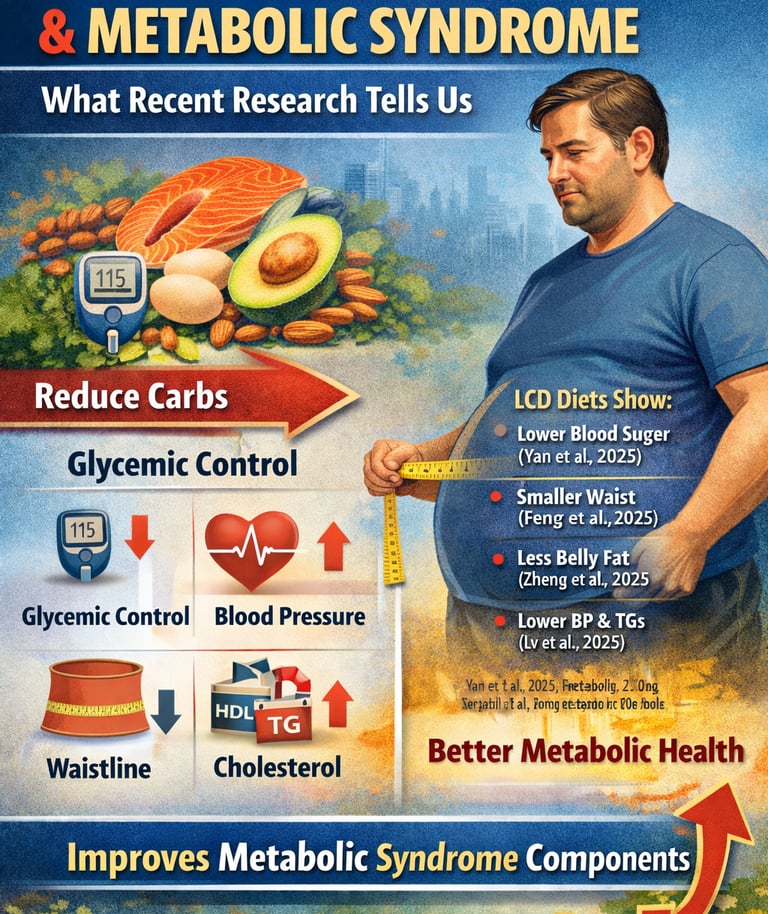
What if one simple change in your eating pattern could dramatically improve your blood pressure, blood sugar, waistline, and cholesterol—without requiring extreme dieting or calorie counting? Over the last few years, the medical community has taken a closer look at low-carbohydrate diets (LCDs) as a therapeutic tool for metabolic syndrome, a condition that now affects more than one in three adults globally and sharply increases the risk of heart disease and type 2 diabetes (Zheng et al., 2025).
While metabolic syndrome is often described as a “silent” condition, its metabolic consequences are anything but quiet. It drives chronic inflammation, elevates insulin levels, and promotes dangerous visceral fat accumulation—changes that often begin years before a diagnosis is made. Traditional dietary advice has emphasized low-fat guidelines for decades, but emerging research suggests that reducing carbohydrate intake may be more effective for improving multiple metabolic biomarkers simultaneously (Lv et al., 2025).
Even more promising, recent clinical trials show that lowering carbohydrate intake not only improves glycemic control, but can also reduce triglycerides, shrink waist circumference, lower blood pressure, and raise HDL cholesterol—benefits that directly counter the key components of metabolic syndrome (Yan et al., 2025; Feng et al., 2025).
Could a strategic reduction in carbohydrates be the missing tool in metabolic health? Let’s explore what the latest science reveals.
Clinical Pearls
1. It’s About "Correction," Not Just Restriction
The primary goal of a low-carb diet isn't just to "lose weight," but to lower the body’s insulin demand. High carbohydrate intake triggers frequent insulin spikes; over time, cells become "numb" to this hormone (insulin resistance). By reducing carbs, you give your pancreas a break and allow your body to access stored fat for fuel more efficiently.
2. The "Quality" of the Replacement Matters
When you remove carbohydrates, you must fill that "caloric gap" with something else. Research (Feng et al., 2025) suggests that a protein-emphasised approach is superior for most. Increasing lean protein and healthy fats (like avocados and olive oil) helps preserve muscle mass and keeps you feeling full longer, which prevents the "yo-yo" effect often seen in low-fat diets.
3. Modest Changes Yield Meaningful Results
You don’t have to enter "ketosis" to see a benefit. The meta-analyses show that moderate restriction (roughly 100–130g of carbs per day) still leads to significant drops in blood pressure and HbA1c. For many patients, this middle ground is far more sustainable than extreme restriction while still providing "clinical wins" at their next check-up.
4. Triglycerides are Particularly Responsive
If you have high triglycerides (a hallmark of metabolic syndrome), carbohydrate reduction is often more effective than fat reduction. Carbohydrates—especially refined sugars—are the primary raw material the liver uses to create triglycerides. Most patients see a noticeable drop in these "sticky" blood fats within just 4 to 8 weeks of lowering their carb intake.
5. Medication Coordination is Non-Negotiable
This is the most critical clinical pearl: Diet is a powerful metabolic intervention. Because low-carb diets can lower blood sugar and blood pressure quite rapidly, medications that were once the correct dose may suddenly become too strong (potentially causing dangerously low blood sugar or lightheadedness). Always coordinate with your doctor to "de-prescribe" or adjust dosages as your health improves.
Low Carbohydrate Diet for Metabolic Syndrome: What Does Recent Research Tell Us?
Metabolic syndrome—a cluster of conditions including high blood pressure, elevated blood sugar, excess body fat around the waist, and abnormal cholesterol levels—affects millions of people worldwide and significantly increases the risk of heart disease and type 2 diabetes. While the prevalence of this condition continues to rise, dietary interventions have emerged as a promising, evidence-based approach to managing metabolic health. Among the various dietary strategies being studied, low-carbohydrate diet (LCD) interventions have generated considerable research interest.
Between 2025 and early 2024, multiple large-scale systematic reviews and meta-analyses have examined whether reducing carbohydrate intake can effectively improve metabolic syndrome and its individual components. This comprehensive guide synthesizes the latest findings from four major research studies, providing evidence-based insights into how low-carb dietary interventions may benefit your metabolic health.
Study 1: Zheng et al. – Systematic Review and Meta-Analysis of LCD on Metabolic Syndrome
Study Design: The researchers analyzed 41 articles from major databases (PubMed, Embase, Cochrane, and Medline), ultimately including 30 high-quality randomized controlled trials (RCTs) involving 3,806 adults. The meta-analysis focused on LCD interventions defined as consuming 50–130 grams of carbohydrates daily or 10–40% of total dietary energy, compared against standard control diets for at least 12 weeks.
Key Findings: How LCD Affects Metabolic Biomarkers
This groundbreaking research revealed that low-carbohydrate diets produce meaningful improvements across multiple metabolic syndrome markers:
Body Mass Index (BMI): Reduced by 0.43 kg/m², indicating modest but significant weight loss
Waist Circumference: Decreased by 0.77 cm (a key indicator of visceral fat reduction)
Systolic Blood Pressure: Lowered by 1.19 mmHg
Diastolic Blood Pressure: Reduced by 1.49 mmHg
HbA1c (Glycated Hemoglobin): Decreased by 0.62%, demonstrating improved glycemic control
Triglycerides: Reduced by 0.24 mmol/L
High-Density Lipoprotein (HDL) Cholesterol: Increased by 0.06 mmol/L (positive for cardiovascular health)
The analysis showed that carbohydrate-restricted diets consistently improved metabolic health markers, though the researchers noted that intervention dosage may be a source of variability among studies. This suggests that the specific amount of carbohydrate reduction matters for optimal outcomes.
Study 2: Lv et al. – Network Meta-Analysis of Dietary Patterns for Metabolic Syndrome
Lv, J., Jiao, S., Li, W., and colleagues (2025) took a comparative approach by conducting a network meta-analysis in Frontiers in Nutrition, examining how different dietary patterns perform against each other for managing metabolic syndrome in affected patients.
Unlike traditional meta-analyses comparing only two interventions, network meta-analysis allows researchers to simultaneously compare multiple dietary approaches, providing valuable perspective on which strategies may be most effective.
Dietary Patterns Compared
The research evaluated several evidence-based dietary interventions including:
Low-carbohydrate diets
Low-fat diets
Mediterranean diet patterns
High-protein diets
Standard balanced approaches
This network meta-analysis provided important context showing how LCD interventions rank relative to other popular dietary approaches for addressing metabolic syndrome components. The analysis revealed that low-carbohydrate diet patterns demonstrate comparable or superior effectiveness to alternative dietary strategies for improving:
Body weight and composition
Cardiometabolic risk factors
Blood glucose management
Lipid profiles
Multiple dietary approaches can benefit metabolic health, but low-carbohydrate interventions stand out as a particularly effective option. This suggests that while dietary adherence is crucial (since any consistent healthy eating pattern helps), LCD approaches offer robust metabolic benefits worthy of consideration.
Study 3: Yan et al. – LCD and Glycemic Control in Type 2 Diabetes
Since hyperglycemia (elevated blood sugar) is a central feature of metabolic syndrome and a major progression pathway to diabetes, this research is particularly relevant for understanding LCD's therapeutic potential.
The researchers conducted a comprehensive overview of meta-analyses, systematically reviewing multiple controlled clinical trials assessing low-carbohydrate diet efficacy for blood glucose control in type 2 diabetes patients. This "meta-overview" approach synthesizes findings across numerous individual studies and previous meta-analyses.
Key Findings: Superior Glycemic Control
The analysis demonstrated that low-carbohydrate interventions produce superior glycemic control outcomes compared to standard dietary recommendations:
Significant HbA1c reductions indicate sustained blood sugar improvement over weeks and months
Lower fasting glucose levels suggest better baseline glucose metabolism
Reduced postprandial glucose spikes (blood sugar elevations after meals)
Improved insulin sensitivity, meaning cells respond better to insulin signaling
Remarkably, the research found that many patients following low-carbohydrate interventions experienced:
Reduced medication requirements (in some cases, medication withdrawal)
Improved quality of life metrics
Greater adherence compared to other dietary approaches
For individuals with type 2 diabetes—a common progression from metabolic syndrome—low-carbohydrate diets represent an evidence-backed therapeutic tool that can meaningfully improve blood sugar control and potentially reduce medication burden.
Study 4: Feng et al. – Macronutrient Replacement and Metabolic Health
Feng, S., Liu, R., Colwell, B., and colleagues (2025) published their analysis in Clinical Nutrition, addressing an important practical question: What should people eat instead of carbohydrates? Their meta-analysis of randomized trials examined how different macronutrient replacements within carbohydrate-restricted diets affect metabolic health in adults.
When individuals reduce carbohydrate intake, the calories and nutritional space must be filled by other macronutrients—proteins and fats. Different approaches exist:
High-protein, lower-fat LCD
Higher-fat, moderate-protein LCD
Balanced macronutrient LCD
The research revealed that the type of macronutrient replacement matters:
Protein-Emphasized LCD:
Enhanced satiety (fullness), supporting easier adherence
Preserved muscle mass during weight loss
Improved lipid profiles in many participants
Better metabolic rate maintenance
Fat-Emphasized LCD:
Effectively reduced triglycerides and improved cholesterol ratios
Enhanced absorption of fat-soluble vitamins (A, D, E, K)
Supported longer-term satiety
Optimal Approach: The analysis suggested that moderate increases in both protein and healthy fats—while reducing refined carbohydrates—produces the most balanced metabolic benefits.
The quality and type of macronutrients consumed when following LCD interventions meaningfully influences health outcomes. Low-carb diets shouldn't rely solely on processed foods or unhealthy fats; rather, emphasizing whole food sources of protein and healthy fats (fish, nuts, olive oil, lean meats) optimizes metabolic health benefits.
Comprehensive Summary: What the Latest Evidence Shows
Metabolic Syndrome Components Improved by LCD
Based on synthesizing these four major research studies, low-carbohydrate diets produce evidence-based improvements in:
1. BMI & Body Weight
Shows modest but consistent reduction
Helps support obesity management
2. Abdominal Adiposity (Waist Circumference)
Waist circumference decreases
Specifically targets harmful visceral fat
3. Blood Pressure
Both systolic and diastolic pressures improve
Contributes to meaningful cardiovascular risk reduction
4. Glycemic Control
HbA1c levels decrease
Fasting glucose improves
Enhances prevention and management of type 2 diabetes
5. Triglycerides
Significant reductions observed
Improves overall cardiometabolic health
6. HDL Cholesterol (“Good” Cholesterol)
HDL levels increase
Provides additional cardiovascular protection
Mechanism of Action
How do low-carbohydrate diets improve metabolic syndrome?
Reduced Insulin Demand: Lower carbohydrate intake reduces blood glucose spikes, decreasing insulin production and helping restore insulin sensitivity
Enhanced Fat Loss: Moderate carbohydrate restriction shifts metabolism toward fat utilization, particularly from visceral adipose tissue
Metabolic Hormones: LCD improves signaling of appetite-regulating hormones (leptin, ghrelin), supporting sustainable weight management
Inflammation Reduction: Multiple studies noted improvements in low-grade systemic inflammation, a key driver of metabolic syndrome
Practical Implementation: How to Start
Determining Your Carbohydrate Target
The research emphasizes that LCD is broadly defined—you don't necessarily need extreme restriction:
Moderate LCD: 100–130g carbs daily (~40% of calories)
Lower LCD: 50–100g carbs daily (~20–30% of calories)
Start with moderate restriction and adjust based on personal response
Quality Matters: What to Prioritize
Replace refined carbohydrates with:
Protein Sources:
Fatty fish (salmon, sardines—omega-3 rich)
Eggs, Greek yogurt, cottage cheese
Poultry, lean beef, legumes
Healthy Fats:
Olive oil, avocado oil
Nuts and seeds
Avocados, fatty fish
Low-Carb Vegetables:
Leafy greens (spinach, kale)
Cruciferous vegetables (broccoli, cauliflower)
Zucchini, bell peppers, mushrooms
Timeline for Results
Research suggests observable improvements occur within:
4–8 weeks: Initial weight loss, improved fasting glucose
12 weeks: Measurable improvements in blood pressure, triglycerides
3–6 months: Sustained metabolic syndrome improvements, potential medication adjustments
The "Moderate LCD" Framework
Protein: Aim for 25–30% of calories (to preserve muscle).
Fats: Aim for 40–50% (prioritizing monounsaturated fats like olive oil).
Carbs: Aim for 20–30% (focusing on high-fiber, complex sources).
7-Day Moderate Low-Carb Plan (100–130g Carbs)
Day 1
Breakfast: 2 scrambled eggs with fresh spinach and feta cheese; 1 slice of whole-grain toast.
Lunch: Grilled chicken Caesar salad (no croutons) with extra avocado and shaved parmesan.
Dinner: Baked salmon fillet with roasted asparagus spears and ½ cup cooked quinoa.
Day 2
Breakfast: Full-fat plain Greek yogurt topped with ¼ cup blueberries and 2 tbsp chia seeds.
Lunch: Tuna salad (made with celery and mayo) in large lettuce wraps; 1 small apple on the side.
Dinner: Ground turkey taco bowl with cauliflower rice, ¼ cup black beans, fresh salsa, and guacamole.
Day 3
Breakfast: 3-egg omelet with mushrooms, bell peppers, and cheddar; 2 turkey sausage links.
Lunch: Leftover turkey taco bowl or a large spinach salad topped with 2 hard-boiled eggs.
Dinner: Lemon-herb roasted chicken thighs with sautéed zucchini and 1 small roasted sweet potato.
Day 4
Breakfast: Overnight oats (made with ⅓ cup dry oats, almond milk, walnuts, and cinnamon).
Lunch: Mediterranean plate: 2 tbsp hummus, olives, cucumber slices, feta cubes, and grilled shrimp.
Dinner: Lamb stir-fry with broccoli and snap peas (seasoned with ginger and liquid aminos).
Day 5
Breakfast: Low-fat cottage cheese topped with sliced strawberries and 1 tbsp pumpkin seeds.
Lunch: Roast lamb and Swiss cheese roll-ups (no bread); side of raw carrots and bell peppers with ranch.
Dinner: Baked cod or tilapia with a walnut crust; served with a large portion of garlicky sautéed kale.
Day 6
Breakfast: 1 slice sprouted grain toast with smashed avocado and a poached egg.
Lunch: Broth-based chicken and vegetable soup; side garden salad with olive oil and vinegar.
Dinner: Grilled pork chops with "fauxtatoes" (mashed cauliflower with garlic and butter) and green beans.
Day 7
Breakfast: Veggie frittata (eggs, broccoli, onion, tomato) served with ½ a fresh grapefruit.
Lunch: Shrimp and avocado salad with lime vinaigrette and a small handful of raw almonds.
Dinner: Zucchini noodles ("Zoodles") topped with a hearty turkey bolognese sauce and pine nuts.
Success Tip: The "Half-Plate" Rule
When you aren't following a specific recipe, use this visual guide to stay within the moderate low-carb range:
50% of your plate: Non-starchy vegetables (greens, broccoli, peppers).
25% of your plate: High-quality protein (fish, poultry, lamb, tofu).
25% of your plate: Complex carbs or healthy fats (sweet potato, beans, or avocado).
Key Takeaways: Evidence-Based Conclusions
Low-carbohydrate diets effectively improve multiple metabolic syndrome biomarkers including weight, blood pressure, blood sugar, and cholesterol
LCD is comparable or superior to other dietary approaches like low-fat diets for metabolic health outcomes
Glycemic control improvements are particularly robust, making LCD valuable for diabetes prevention and management
Macronutrient quality matters—emphasize whole food protein and healthy fats rather than processed alternatives
Individual variation exists—the specific carbohydrate level and macronutrient composition should be personalized based on response and preferences
⚠ Important Considerations
Medical supervision is recommended if you have existing conditions or take medications
Quality of carbohydrates matters (whole grains > refined carbs)
Adherence is crucial—choose an approach you can sustain long-term
Micronutrient adequacy requires attention (consider supplementing certain vitamins/minerals if needed)
Not all individuals respond identically—some see dramatic improvements, others see modest changes
Frequently Asked Questions
Q: Is a low-carbohydrate diet safe long-term?
A: The research base evaluates studies lasting 12 weeks to 18+ months. Generally, well-formulated low-carbohydrate diets emphasizing whole foods appear safe for extended periods. However, medical supervision is important for individuals with kidney disease, certain medications, or other health conditions.
Q: How does LCD compare to the Mediterranean diet?
A: The Lv et al. network meta-analysis found LCD and Mediterranean diet both effective for metabolic syndrome. The choice depends on individual preference, cultural background, and sustainability. Some evidence suggests combining elements (Mediterranean patterns with moderate carbohydrate reduction) may offer advantages.
Q: Can I achieve results with moderate carbohydrate reduction rather than very low intake?
A: Yes. The research shows benefits across the LCD spectrum (50–130g daily). Many people achieve meaningful improvements with moderate reduction to 100–130g daily, which may enhance long-term adherence.
Q: Will I lose muscle on a low-carbohydrate diet?
A: Not necessarily. The Feng et al. analysis specifically examined this, finding that higher protein intake within LCD effectively preserves lean muscle mass. Adequate protein (1.2–1.6g per kg body weight) and resistance exercise are important.
Q: How quickly should I see results?
A: Initial changes (weight loss, improved fasting glucose) may appear within 2–4 weeks. Sustained improvements in metabolic syndrome components typically emerge within 12 weeks of consistent adherence.
Q: Do I need to count calories on a low-carbohydrate diet?
A: The research suggests that LCD may have mild appetite-suppressant effects, potentially reducing overall calorie intake naturally. However, some individuals benefit from tracking, especially if weight loss plateaus
Special Populations Precautions
Pregnancy & Breastfeeding:
Low-carbohydrate diets may not provide sufficient glucose for fetal development and maternal energy needs. Pregnant or breastfeeding individuals should follow dietary plans only under the supervision of an obstetrician or registered dietitian.Athletes With High Training Loads:
Competitive athletes or those training at high intensities may experience reduced performance, impaired recovery, or low glycogen availability when restricting carbohydrates. Nutrition adjustments should be made with guidance from a sports nutrition specialist.Individuals With Kidney Disease:
Those with chronic kidney disease—especially stages 3–5—must avoid unsupervised high-protein variations of low-carb diets, as they may increase renal workload. Medical monitoring is strongly advised before adopting any dietary changes.
These groups should seek personalized advice from a healthcare professional to ensure safety and effectiveness based on their specific needs and medical conditions.
Author’s Note
As a clinician and researcher in internal medicine, I have witnessed firsthand how metabolic syndrome silently progresses long before patients recognize the warning signs. Over the years, more evidence has emerged showing that diet—specifically the quality and proportion of macronutrients—plays a decisive role in reversing metabolic dysfunction. Low-carbohydrate diets are not a trend; they are a scientifically validated therapeutic approach supported by growing clinical trial data.
The purpose of this article is not to prescribe a one-size-fits-all solution, but to bridge the gap between research findings and practical, patient-centered application. While carbohydrate restriction may offer significant benefits in improving blood sugar, triglycerides, insulin sensitivity, and central obesity, the goal is to empower readers with knowledge—not fear. Metabolic syndrome is reversible, but early awareness and personalized intervention are key.
As research continues to evolve, so must our nutritional recommendations. My hope is that this article encourages both clinicians and individuals to re-examine long-standing dietary assumptions and consider evidence-based, metabolically intelligent strategies for long-term health.
Disclaimer: This article is for informational purposes only and does not constitute medical advice. Individual circumstances vary, and treatment decisions should always be made in consultation with qualified healthcare professionals.
Related Articles
Carb Counting vs. Low-Carb Diets: Which Controls Blood Sugar Better | DR T S DIDWAL
Feed Your Gut, Fuel Your Health: Diet, Microbiota, and Systemic Health | DR T S DIDWAL
What’s New in the 2025 Blood Pressure Guidelines? A Complete Scientific Breakdown | DR T S DIDWAL
Low-Fat vs. Low-Carb: Which Diet is Best for Weight Loss? | DR T S DIDWAL
5 Steps to Reverse Metabolic Syndrome: Diet, Habit, & Lifestyle Plan | DR T S DIDWAL
The Role of Cholesterol in Health and Disease: Beyond the "Bad" Label | DR T S DIDWAL
Lowering Cholesterol with Food: 4 Phases of Dietary Dyslipidemia Treatment | DR T S DIDWAL
High Triglyceride Levels: 5 New Facts to Help You Lower Your Risk | DR T S DIDWAL
The Best Dietary Fat Balance for Insulin Sensitivity, Inflammation, and Longevity | DR T S DIDWAL
References
Feng, S., Liu, R., Colwell, B., Chung, S., Barry, A., & Wang, H. (2025). Carbohydrate-restricted diet types and macronutrient replacements for metabolic health in adults: A meta-analysis of randomized trials. Clinical Nutrition, 54, 27–41. https://doi.org/10.1016/j.clnu.2025.09.005
Lv, J., Jiao, S., Li, W., Ding, S., Ma, L., & Zhang, Q. (2025). Network meta-analysis of the effects of different dietary patterns on patients with metabolic syndrome. Frontiers in Nutrition, 12, Article 1634545. https://doi.org/10.3389/fnut.2025.1634545
Yan, Y., Asemani, S., Jamilian, P., et al. (2025). The efficacy of low-carbohydrate diets on glycemic control in type 2 diabetes: a comprehensive overview of meta-analyses of controlled clinical trials. Diabetology & Metabolic Syndrome, 17, 341. https://doi.org/10.1186/s13098-025-01890-7
Zheng, Q., Gao, X., Ruan, X., Chen, S., Pan, X., Wang, R., Zhao, L., Yu, Z., Li, D., & Zhai, J. (2025). Are low carbohydrate diet interventions beneficial for metabolic syndrome and its components? A systematic review and meta-analysis of randomized controlled trials. International Journal of Obesity, 49(7), 1252–1263. https://doi.org/10.1038/s41366-025-01822-5