Oxytocin and Comfort Eating: The Brain Hormone That May Influence Food Cravings, Metabolism, and Obesity
Why do we eat for comfort? Discover how oxytocin, the “love hormone,” influences food cravings, emotional eating, and metabolism in obesity.
OBESITYMETABOLISM
Dr. T.S. Didwal, M.D.(Internal Medicine)
3/8/202618 min read
What Is the Role of Oxytocin in Weight and Food Cravings?
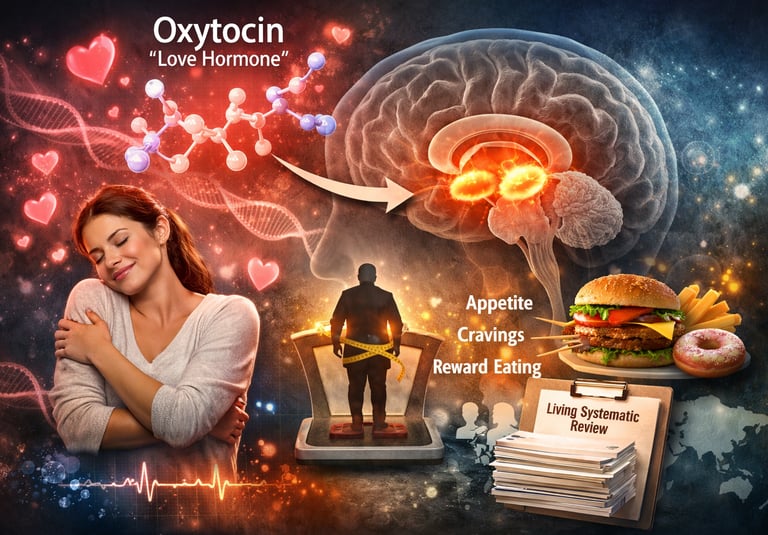
Oxytocin is a brain hormone produced in the hypothalamus that influences appetite, reward-driven eating, and metabolic regulation. Emerging research suggests that lower oxytocin signaling may increase emotional eating and food cravings, particularly in people with obesity (Wronski et al., 2025; Alsayegh et al., 2026).
Most people recognize oxytocin as the so-called "love hormone" — the chemical that floods your brain during hugs, childbirth, and moments of deep connection. But in recent years, a growing body of scientific research has been quietly rewriting oxytocin's job description. Far beyond social bonding, oxytocin appears to play a significant role in how your body regulates hunger, stores fat, responds to food rewards, and even how certain brain-based treatments for obesity might work.
This is not a small update. It is a paradigm shift.
Between 2024 and 2026, four landmark studies have pushed our understanding of oxytocin's involvement in energy balance and metabolic health further than ever before. Researchers from leading institutions around the world — including Harvard, the University of Oslo, and institutions across the Middle East and the United States — have been asking a deceptively simple question: Could the same hormone that helps mothers bond with their newborns also be a key regulator of body weight?
The answer, as you are about to discover, is a cautious but increasingly confident: yes.
This article walks you through what the latest science says, what it means for people living with obesity, and what the future of oxytocin-based therapies might look like — all explained in plain, accessible language.
Clinical Pearls
1.The "Tonic" vs. "Phasic" Distinction
Scientific Perspective: Unlike GLP-1 or PYY, oxytocin is not a postprandial (after-meal) satiety signal. It operates as a tonic regulator, meaning its influence on energy balance is constant and background-level rather than triggered by the act of eating.
Don’t expect a "rush" of oxytocin to make you feel full right after a sandwich. Instead, think of oxytocin as a background volume knob that lowers your overall interest in food throughout the entire day.
2. Targeting the "Hedonic" Over the "Homeostatic"
Scientific Perspective: Oxytocin primarily modulates the mesolimbic dopaminergic pathway. It reduces the "incentive salience" of high-calorie foods, specifically dampening the reward-seeking behavior in the nucleus accumbens.
Oxytocin doesn't just stop physical hunger; it helps quiet "brain hunger." It targets the cravings for comfort foods (sweets and fats) that we eat for pleasure rather than for fuel.
3. The Stress-Metabolism Bidirectional Loop
Scientific Perspective: Chronic stress elevates cortisol, which can suppress oxytocin signaling. Given oxytocin’s role in buffering the HPA axis, a deficiency creates a pro-inflammatory state that exacerbates insulin resistance and visceral fat deposition.
Stress isn't just "in your head"; it's a chemical blocker. High stress lowers your "love hormone," which in turn makes your body better at storing fat and worse at controlling cravings. Managing stress is a metabolic necessity, not a luxury.
4. Intranasal Delivery as a Blood-Brain Barrier Bypass
Scientific Perspective: Peripheral oxytocin has a short half-life and poor BBB permeability. Intranasal administration utilizes the olfactory and trigeminal nerve pathways to achieve direct central nervous system (CNS) distribution, which is required for appetite modulation.
You can't just take an oxytocin pill. Because the brain is protected by a filter, the most effective medical way to reach the "hunger centers" is through a specialized nasal spray that travels directly to the brain.
5. Obesity as an "Oxytocin-Resistant" State
Scientific Perspective: Similar to insulin resistance, chronic obesity may lead to oxytocin receptor downregulation or desensitization. This suggests that patients with higher BMIs might require different dosing or sensitization strategies to see metabolic benefits.
If you have struggled with weight for a long time, your "oxytocin sensors" might be a bit numb. This isn't a lack of willpower; it’s a biological adjustment where your brain has become less sensitive to its own natural "stop" signals.
6. Social Connection as "Metabolic Medicine"
Scientific Perspective: Endogenous oxytocin release is stimulated by low-intensity mechanoreceptor activation (touch) and positive social psychobiology. These "soft" interventions provide a non-pharmacological boost to the oxytocin system that can augment metabolic therapies.
Hugs, social support, and even playing with a pet are "metabolic boosters." They naturally raise your oxytocin levels, which helps stabilize your mood and, by extension, makes it easier for your body to manage weight and cravings.
What Is Oxytocin, and What Does It Actually Do?
Before diving into the obesity research, it helps to understand what oxytocin is and how it works in the body.
Oxytocin is a neuropeptide — a small protein-like molecule produced in the hypothalamus, a region deep in the brain that acts like your body's master control panel. Once produced, oxytocin is either released into the bloodstream (where it acts as a hormone) or directly into the brain (where it acts as a neurotransmitter). This dual role gives it an unusually broad reach, allowing it to influence everything from mood and stress responses to blood pressure, inflammation, and — as newer research is revealing — food intake and fat metabolism (Lawson, 2024).
Lawson's comprehensive 2024 review, published in Comprehensive Psychoneuroendocrinology, provides one of the most thorough examinations of oxytocin's role in both normal physiology and disease states. The review maps out how oxytocin interacts with multiple body systems and explores the growing body of evidence linking disruptions in oxytocin signaling to conditions including anxiety disorders, post-traumatic stress disorder (PTSD), cardiovascular disease, and — critically — metabolic disorders like obesity and type 2 diabetes (Lawson, 2024).
In plain terms: when your oxytocin system is working well, it helps keep many aspects of your health in balance. When it is not working well, a surprisingly wide range of health problems may follow.
Oxytocin and Energy Expenditure: Key Metabolic Mechanisms
Research suggests that oxytocin may influence body weight not only by regulating appetite and food cravings but also by affecting how the body burns and stores energy. Several metabolic pathways appear to be involved.
• Activation of Brown Adipose Tissue (BAT)
Oxytocin signaling may stimulate brown adipose tissue, a type of metabolically active fat that burns calories to produce heat through thermogenesis. Increased brown fat activity can raise energy expenditure and metabolic rate, potentially helping reduce excess fat accumulation.
• Promotion of Lipolysis (Fat Breakdown)
Oxytocin may support lipolysis, the process in which stored triglycerides in fat tissue are broken down into fatty acids that can be used for energy. By promoting fat mobilization, oxytocin could contribute to improved fat metabolism and healthier body composition.
• Improvement in Insulin Sensitivity
Emerging evidence suggests that oxytocin may enhance insulin sensitivity, allowing cells to respond more effectively to insulin and absorb glucose more efficiently. Improved insulin signaling is important because insulin resistance is a major driver of obesity, metabolic syndrome, and type 2 diabetes.
• Integration of Appetite and Metabolic Control
Because oxytocin acts both in the brain and peripheral metabolic tissues, it may help coordinate multiple aspects of energy balance — including appetite regulation, food reward, fat metabolism, and energy expenditure.
Together, these mechanisms suggest that oxytocin could influence metabolic health through both behavioral and physiological pathways, which is why it is increasingly being studied as a potential target in obesity and metabolic disease research.
Oxytocin and the Brain: A New Frontier in Obesity Treatment
One of the most exciting areas in recent oxytocin research is its potential as a brain-based treatment for obesity. This framing matters because it acknowledges something many patients already sense but that medicine has been slow to formally recognize: obesity is not simply a problem of willpower or lifestyle choices. It is, at least in part, a disorder of brain signaling.
A 2026 comprehensive analysis published in Frontiers in Endocrinology by Alsayegh and colleagues lays out a compelling case for oxytocin as a potential therapeutic agent for obesity, specifically targeting the brain circuits that regulate eating behavior, reward processing, and energy homeostasis (Alsayegh et al., 2026).
The researchers examined how oxytocin interacts with several key brain regions involved in appetite control, including the hypothalamus (which regulates hunger and satiety signals), the nucleus accumbens (the brain's primary reward center), and the prefrontal cortex (involved in decision-making and impulse control). Their analysis found that oxytocin appears to dampen the rewarding properties of high-calorie foods and reduce the motivation to seek out and consume them — a finding with profound implications for people who struggle with overeating driven by food cravings and reward-seeking behavior (Alsayegh et al., 2026).
What makes this particularly relevant is the population context. Obesity affects over one billion people globally, and currently available treatments — ranging from lifestyle interventions to bariatric surgery to GLP-1 receptor agonist medications like semaglutide — do not work equally well for everyone. Many patients need additional or alternative options. Oxytocin, with its unique profile of effects on both the brain and the body, could represent exactly that kind of complementary approach.
The Alsayegh et al. (2026) analysis also highlighted oxytocin's anti-inflammatory properties and its potential effects on insulin sensitivity, suggesting that its benefits in obesity may extend well beyond appetite suppression alone. This multi-mechanism profile is one of the features that makes it so scientifically interesting.
Does Oxytocin Actually Change When You Eat? New Research Challenges Old Assumptions
One of the most important recent studies in this field asked a question that seems obvious but had never been rigorously examined: Does your body's oxytocin level actually change around the time of a meal?
Intuition — and some earlier animal research — suggested it might. If oxytocin helps signal fullness and reduce appetite, you might expect levels to rise after eating, the way other gut hormones like GLP-1 and peptide YY do.
A 2025 study by Wronski and colleagues, published in Diabetes, Obesity and Metabolism, put this assumption to the test in a carefully controlled clinical setting. The researchers measured blood oxytocin levels in adults with obesity at multiple time points before, during, and after a standardized meal. Their findings were surprising: oxytocin levels did not meaningfully change in response to eating (Wronski et al., 2025).
This is important because it suggests that, unlike some other hormones involved in appetite regulation, oxytocin does not function primarily as a meal-triggered satiety signal — at least not in people with obesity. Its role appears to be more tonic (ongoing and background-level) rather than phasic (triggered by specific events like eating).
However, the study revealed something equally significant. While oxytocin levels did not rise after meals, they did correlate with a specific type of eating behavior: reward-driven caloric consumption (Wronski et al., 2025). Participants with lower baseline oxytocin levels tended to eat more when food was pleasurable or rewarding — suggesting that insufficient oxytocin signaling may contribute to the kind of hedonic overeating (eating for pleasure rather than hunger) that is particularly difficult to manage and particularly common in obesity.
This finding aligns with the brain-based framework explored by Alsayegh et al. (2026) and adds a crucial clinical detail: the problem may not be that the oxytocin system fails to respond to food, but that a chronically low or dysfunctional oxytocin system leaves certain people more vulnerable to the rewarding pull of calorie-dense foods.
For patients, this is validating information. It adds scientific weight to the experience of many people with obesity who describe feeling a loss of control around certain foods — not a lack of willpower, but a difference in brain chemistry.
Mapping the Evidence: A Living Systematic Review
Given the rapidly growing volume of research on oxytocin and metabolism, a team of international scientists recognized the need for a rigorous, continuously updated synthesis of the evidence. This led to the development of a living systematic review — a type of review that is designed to be updated regularly as new research emerges, rather than becoming outdated the moment it is published.
Sartorius and colleagues (2025), writing in medRxiv, published the protocol for this living systematic review and meta-analysis, focusing specifically on oxytocin's role in energy balance and metabolic factors. The team, which includes researchers from Norway, the United States, and Australia — including contributors from the same Harvard-affiliated research group responsible for the Wronski et al. study — designed a comprehensive framework to synthesize data from across the global literature (Sartorius et al., 2025).
The scope of the review is broad and ambitious. It is designed to capture research on oxytocin's relationships with body weight, body mass index (BMI), visceral fat, insulin resistance, blood glucose, lipid profiles, energy expenditure, and eating behavior. By applying meta-analytic techniques, the researchers aim to quantify the overall strength of these associations — moving the field beyond individual studies to a more definitive understanding of what the evidence, as a whole, actually shows.
The "living" aspect of this review is particularly forward-thinking. Given that the oxytocin-metabolism field is evolving rapidly, a static review published once and left alone would quickly become incomplete. This approach acknowledges that science is a moving target and commits to keeping the evidence synthesis current — an increasingly important consideration as oxytocin enters clinical trial pipelines (Sartorius et al., 2025).
This kind of foundational work is essential before treatments move into widespread clinical use. It provides the evidence infrastructure that regulators, clinicians, and patients need to make informed decisions.
Oxytocin in Pathophysiology: When the System Goes Wrong
Understanding what happens when oxytocin signaling breaks down is as important as understanding what it does when it works well. Lawson's 2024 review addresses this directly, cataloging what is known about oxytocin dysregulation across a range of health conditions.
In the context of obesity and metabolic disease, a few patterns are particularly noteworthy. First, there is evidence that people with obesity may have altered oxytocin systems — including differences in baseline oxytocin levels and in the sensitivity of oxytocin receptors. This creates a potential vicious cycle: obesity may impair oxytocin signaling, and impaired oxytocin signaling may contribute to the behaviors and biological processes that worsen obesity (Lawson, 2024).
Second, Lawson's review discusses how stress — which is frequently elevated in people living with obesity and associated stigma — can disrupt oxytocin signaling. Since oxytocin normally plays a role in stress buffering (one of its well-known functions), stress-induced suppression of oxytocin could simultaneously worsen both mental health and metabolic outcomes, creating a bidirectional burden.
Third, the review highlights the therapeutic potential of exogenous oxytocin (oxytocin given as a treatment, typically via nasal spray). Clinical trials have explored intranasal oxytocin for a range of indications, and while results have been mixed across conditions, the metabolic applications are among the most promising directions currently being pursued (Lawson, 2024). Understanding the precise mechanisms — and the factors that predict who will respond — is the critical next step.
What This Means for People Living With Obesity
It is worth pausing here to address what all of this science actually means for someone who is living with obesity right now.
First and foremost: this research reinforces that obesity is a complex, biologically rooted condition — not a personal failing. The finding that reward-driven eating correlates with oxytocin levels (Wronski et al., 2025) is one of many pieces of evidence showing that body weight regulation involves intricate hormonal and neural systems that vary between individuals.
Second, the research opens the door to new treatment possibilities. While oxytocin-based therapies for obesity are not yet widely available outside of clinical trials, the scientific foundation being built by these studies brings that possibility meaningfully closer. For patients who have not achieved their health goals with current treatments, or who are looking for options that address the brain-based drivers of overeating, this is genuinely hopeful news.
Third, the growing evidence on oxytocin and metabolic health underscores the importance of factors that support healthy oxytocin function — including social connection, stress reduction, and physical touch and exercise — all of which are known to boost oxytocin levels naturally. These are not cure-alls, but they are meaningful lifestyle factors that deserve attention alongside other obesity treatments.
Comparison of Key Metabolic Hormones
1. Oxytocin: The "Reward" Regulator
Primary Source: Produced in the Hypothalamus (released via the pituitary gland).
Traditional Role: Historically known for its role in social bonding, childbirth, and breastfeeding.
Role in Obesity: It acts as a "tonic" or background regulator of the brain's reward system. It specifically targets the mesolimbic dopamine pathway to reduce the urge for "hedonic" eating (eating for pleasure) and helps regulate overall energy balance.
2. Leptin: The "Satiety" Signal
Primary Source: Secreted by Adipose Tissue (fat cells).
Traditional Role: Known as the "satiety hormone," it provides long-term energy signaling to the brain.
Role in Obesity: In a healthy state, more fat leads to more leptin, telling the brain to stop eating. However, in obesity, Leptin Resistance often occurs—the brain stops "hearing" the signal, leading to persistent hunger despite having ample fat stores.
3. Ghrelin: The "Hunger" Trigger
Primary Source: Produced primarily in the Stomach lining.
Traditional Role: Known as the "hunger hormone," it provides short-term meal signaling.
Role in Obesity: Ghrelin levels typically spike immediately before a meal (when the stomach is empty) and drop after eating. In obesity, these levels may not drop as significantly after a meal, leaving the individual feeling physically hungry even after consuming sufficient calories.
The Road Ahead: What Still Needs to Be Discovered
As exciting as these findings are, it is equally important to be clear about what we do not yet know.
The Sartorius et al. (2025) living systematic review protocol acknowledges that much of the existing research has limitations: small sample sizes, variation in how oxytocin is measured (blood versus cerebrospinal fluid versus urine), and differences in study design that make direct comparisons difficult. Oxytocin also degrades quickly in blood samples, making accurate measurement technically challenging.
Additionally, while animal studies have consistently shown that oxytocin reduces food intake and body weight in rodent models, translating those results to humans has proven more complicated. Human brains are more complex, and behaviors like eating are influenced by culture, psychology, socioeconomic factors, and much more than any single hormone can explain.
Clinical trials of intranasal oxytocin for obesity are ongoing, and results from rigorously designed studies will be essential for determining whether — and for whom — this approach is safe and effective.
The living systematic review being led by Sartorius and colleagues (2025) will be a critical resource as this evidence accumulates. By synthesizing results continuously, it will help the field move more quickly from promising early signals to actionable clinical knowledge.
Key Takeaways: What You Should Know About Oxytocin and Weight
• Oxytocin is much more than the “love hormone.”
Most people know oxytocin as the hormone involved in bonding, childbirth, and emotional connection. However, modern research shows that oxytocin also plays an important role in appetite regulation, metabolism, and body-weight control (Lawson, 2024).
• Your brain plays a central role in weight regulation.
Body weight is not controlled by willpower alone. The brain constantly integrates signals from hormones, nutrients, and energy stores to regulate hunger and food intake. Oxytocin interacts with brain regions such as the hypothalamus and reward centers, which influence hunger, cravings, and eating behavior (Alsayegh et al., 2026).
• Oxytocin may influence food cravings and reward-driven eating.
Recent research suggests that oxytocin may help regulate hedonic eating, which means eating for pleasure rather than hunger. People with lower oxytocin levels may be more likely to consume extra calories when food is highly rewarding or emotionally satisfying (Wronski et al., 2025).
• Oxytocin does not behave like traditional appetite hormones.
Unlike hormones such as GLP-1 or peptide YY, oxytocin does not appear to spike immediately after meals. Instead, it may work more as a background regulator of appetite and metabolic balance rather than a short-term satiety signal (Wronski et al., 2025).
• Researchers are exploring oxytocin as a potential obesity treatment.
Because oxytocin influences both brain circuits and metabolic processes, scientists are investigating whether therapies that improve oxytocin signaling could help regulate appetite and body weight in the future (Alsayegh et al., 2026).
• The research is promising but still evolving.
Large scientific efforts are now underway to evaluate all available evidence on oxytocin and metabolism through systematic reviews and meta-analyses, which will help clarify how strong the relationship truly is (Sartorius et al., 2025).
• Healthy lifestyle factors may support natural oxytocin activity.
Exercise, positive social interaction, stress reduction, and physical touch have all been associated with increased oxytocin activity and may support overall metabolic and emotional health (Lawson, 2024).
Frequently Asked Questions (FAQs)
FAQ 1: What is oxytocin, and why is it called the "love hormone"?
Oxytocin is a hormone and neurotransmitter produced in the hypothalamus, a region of the brain that regulates many basic body functions. It earned the nickname "love hormone" because it is released during positive social interactions — such as hugging, physical intimacy, and bonding between a mother and newborn. However, oxytocin does much more than support social bonding. Emerging research shows it also plays important roles in regulating appetite, metabolism, stress responses, and inflammation (Lawson, 2024). Calling it solely the "love hormone" significantly undersells its importance in overall health.
FAQ 2: Can oxytocin help with weight loss?
Research suggests oxytocin may have a meaningful role in supporting weight management, particularly by influencing reward-driven eating behaviors and appetite regulation at the brain level. A 2026 review found that oxytocin appears to reduce the motivational pull of high-calorie foods by acting on the brain's reward circuits (Alsayegh et al., 2026). However, oxytocin-based treatments for obesity are still largely in the research and clinical trial phase. They are not yet a standard weight loss treatment, and results from ongoing studies are needed before firm recommendations can be made. If you are interested in clinical trials, speaking with a healthcare provider is the best first step.
FAQ 3: Does eating affect my oxytocin levels?
Interestingly, research published in 2025 found that oxytocin levels do not significantly rise or fall in response to eating a meal in people with obesity (Wronski et al., 2025). This was a surprising finding that challenges earlier assumptions. It suggests oxytocin does not function like some other gut hormones that spike after meals to signal fullness. Instead, it appears to operate at a more constant, background level — and lower baseline levels are associated with greater reward-driven eating. This helps explain why some people feel driven to eat even when they are not physically hungry.
FAQ 4: Is low oxytocin a cause of obesity?
The relationship between oxytocin and obesity is complex and likely bidirectional — meaning low oxytocin may contribute to obesity, and obesity may itself impair oxytocin signaling, creating a potential cycle. Research reviewed by Lawson (2024) and Alsayegh et al. (2026) suggests that disruptions in oxytocin pathways are associated with increased fat storage, reduced ability to regulate appetite, and greater vulnerability to reward-driven overeating. However, it would be an oversimplification to say low oxytocin "causes" obesity — many biological, psychological, and social factors are involved. Oxytocin appears to be an important piece of a much larger puzzle.
FAQ 5: How is oxytocin given as a medical treatment?
The most commonly studied method for delivering oxytocin as a medical treatment is intranasal administration — a nasal spray that allows the hormone to bypass the bloodstream and reach the brain more directly. This approach has been studied for various conditions including anxiety, autism spectrum disorder, PTSD, and, more recently, obesity and eating disorders. Clinical trials are ongoing. Intravenous oxytocin is also used medically — most commonly in obstetric settings to induce or augment labor — but this is not relevant to obesity treatment. At this time, there is no approved over-the-counter oxytocin supplement that has been proven effective for weight loss (Lawson, 2024).
FAQ 6: What naturally boosts oxytocin levels?
Several everyday behaviors and experiences are known to support healthy oxytocin production. Physical touch — including hugging, massage, and skin-to-skin contact — is one of the most reliable natural oxytocin triggers. Exercise, particularly aerobic activity, also appears to boost oxytocin levels. Social connection and spending quality time with people you care about, meditation and mindfulness practices, and even owning and interacting with a pet have been associated with increased oxytocin activity. While these natural strategies are unlikely to compensate fully for a significantly dysregulated oxytocin system, they are meaningful contributors to overall hormonal health and wellbeing — and they are consistent with broader advice for supporting metabolic health (Lawson, 2024).
FAQ 7: When will oxytocin-based obesity treatments be available?
This is one of the most common questions in the field, and the answer depends on ongoing clinical research. Currently, scientists are actively studying oxytocin's effects on body weight, energy balance, and eating behaviors through rigorous clinical trials. A living systematic review — a type of continuously updated evidence synthesis — is being developed specifically to track and consolidate findings from all relevant studies in real time (Sartorius et al., 2025). This kind of research infrastructure is a positive sign that the field is maturing toward eventual clinical translation. If results from trials are positive and safety profiles are acceptable, regulatory review could follow. However, it is too early to give a specific timeline. The honest answer is: this treatment is promising, but patience is required. Following developments from research groups like those cited in this post is the best way to stay informed.
Conclusion: Why Oxytocin Matters in Metabolic Health
Emerging research suggests that oxytocin may play a much broader role in metabolic health than previously recognized. Beyond its well-known functions in social bonding and emotional regulation, oxytocin appears to influence appetite control, reward-driven eating, and energy metabolism. By acting on brain circuits involved in hunger and food reward, oxytocin may help reduce hedonic eating and emotional food cravings. At the same time, studies indicate that it may improve insulin sensitivity, promote lipolysis, and support energy expenditure through brown adipose tissue activation.
Although more large clinical trials are needed, these findings highlight oxytocin as a promising biological link between emotional wellbeing, appetite regulation, and metabolic balance, opening new avenues for research in obesity and metabolic disease.
Author’s Note
This article was written to help readers better understand the emerging science linking oxytocin, appetite regulation, and metabolic health. As a physician specializing in internal medicine, I regularly review current research in metabolism, obesity, and endocrine physiology to translate complex scientific findings into information that patients and readers can easily understand.
The content presented here is based on peer-reviewed scientific literature, including recent studies and reviews published in journals such as Diabetes, Obesity and Metabolism, Frontiers in Endocrinology, and Comprehensive Psychoneuroendocrinology. Because research in this field is evolving rapidly, the goal of this article is not to provide medical advice but to summarize the current scientific understanding of oxytocin’s potential role in appetite regulation, energy metabolism, and reward-driven eating behavior.
Understanding the biological mechanisms that influence weight and metabolic health can help shift the conversation around obesity away from blame and toward evidence-based, compassionate medical care
Reviewed research from 20+ peer-reviewed scientific papers.
Disclaimer: This article is for informational purposes only and does not constitute medical advice. Individual circumstances vary, and treatment decisions should always be made in consultation with qualified healthcare professionals.
Related Articles
Is Your Muscle Insulin Resistant? 2026 Update | DR T S DIDWAL
Activate Your Brown Fat: A New Pathway to Longevity and Metabolic Health | DR T S DIDWAL
Leptin vs. Adiponectin: How Your Fat Hormones Control Weight and Metabolic Health | DR T S DIDWAL
References
Alsayegh, A. A., Ashfaq, F., Bajahzer, M., Alshaharani, M. Y., Almutairi, A. S., Khan, M. I., Alhomaid, R. M., & Beg, M. M. A. (2026). A comprehensive analysis of oxytocin: a potential brain-based treatment to regulate obesity. Frontiers in Endocrinology, 16, 1708807. https://doi.org/10.3389/fendo.2025.1708807
Lawson, E. A. (2024). Understanding oxytocin in human physiology and pathophysiology: A path towards therapeutics. Comprehensive Psychoneuroendocrinology, 19, 100242. https://doi.org/10.1016/j.cpnec.2024.100242
Sartorius, A. I., Kang, H., Deilhaug, E., Walle, K. M., Lawson, E. A., Eddy, K., van der Meer, D., Westlye, L. T., & Quintana, D. S. (2025). Oxytocin and its role in energy balance and metabolic factors: A living systematic review and meta-analysis protocol. medRxiv. https://doi.org/10.1101/2025.04.04.25325238
Wronski, M. L., Boutin, R., Sailer, C. O., Galbiati, F., Aulinas, A., Muhammed, M., Eddy, K. T., Thomas, J. J., Kerem, L., Carter, C. S., Nazarloo, S., Davis, J. M., Blevins, J. E., Holman, K., Gydus, J., Smith, S. E., Asanza, E., Plessow, F., & Lawson, E. (2025). Oxytocin levels do not change around a meal and correlate with reward-driven caloric consumption in adults with obesity. Diabetes, Obesity and Metabolism. https://doi.org/10.1111/dom.70340
Medical Review and Evidence Transparency
This article is based on current peer-reviewed scientific research on oxytocin, metabolism, and obesity. The information presented has been derived from recent studies published in reputable medical and scientific journals, including Diabetes, Obesity and Metabolism, Frontiers in Endocrinology, and Comprehensive Psychoneuroendocrinology.
To ensure scientific accuracy, the article incorporates findings from clinical studies, review articles, and systematic research protocols examining oxytocin’s role in appetite regulation, reward-driven eating, and metabolic health (Lawson, 2024; Wronski et al., 2025; Alsayegh et al., 2026; Sartorius et al., 2025).
Medical science evolves continuously, and new research may refine or expand current understanding. Readers should always consult a qualified healthcare professional for personal medical advice or treatment decisions