You Are What You Eat: 5 Science-Backed Ways to Optimize Your Diet Now
Unlock the profound connection between diet and health. Learn actionable steps to improve energy, gut health, and sleep by focusing on whole foods and consistency.
NUTRITION
Dr. T.S. Didwal, M.D.
12/4/202511 min read
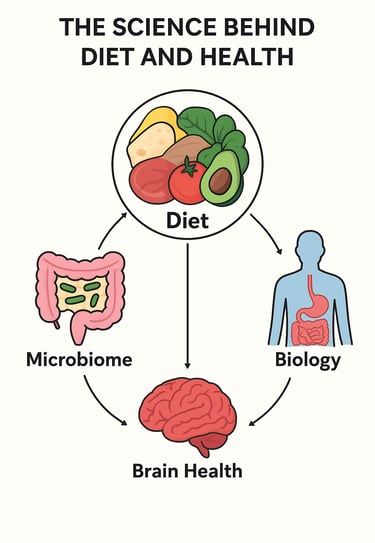

We've all heard the saying "you are what you eat"—but what does that really mean? The truth is far more profound than a catchy phrase. The food choices we make every single day fundamentally shape our bodies, minds, and long-term health outcomes. Whether you're struggling with chronic disease, seeking optimal energy levels, or simply curious about the science of nutrition and health, understanding the relationship between diet and wellness has never been more critical.
In our fast-paced modern world, we often treat eating as a rushed necessity rather than a deliberate act of self-care. Yet emerging research reveals that what we eat isn't just fuel—it's medicine, information for our genes, and a direct line to our future health. This comprehensive guide explores the cutting-edge science demonstrating why diet matters, how nutritional choices influence everything from our circadian rhythms to disease prevention, and what the latest research tells us about optimizing our eating patterns for lasting wellness.
Clinical Pearls
1. Prioritize Circadian Rhythm Alignment Over Caloric Restriction
Pearl: Counsel patients that when they eat (meal timing) matters as much as what they eat for metabolic health, due to the critical role of food in regulating the circadian rhythm.
Scientific Basis: Irregular eating schedules and eating close to bedtime disrupt the body's internal biological clock, leading to metabolic dysregulation (Manoogian et al., 2019).
Actionable Advice: Encourage time-restricted eating (TRF) or ensure that food intake is completed 2–3 hours before sleep to synchronize metabolism with natural day/night cycles.
2. Dietary Choices are the Foundation of Cellular Structure and Function
Pearl: Reframe dietary choices as an investment in cellular integrity, not just weight management. Food literally becomes the structural and functional components of the body.
Scientific Basis: The principle of "You are what you eat" is scientifically validated. Nutrients from food are metabolized and incorporated into cells, tissues, and organs; thus, nutrient-dense foods directly translate to building healthier physical composition at the cellular level (Lederer & Huber, 2022).
Actionable Advice: Focus on nutrient density and whole foods to provide optimal "building blocks" for organ systems and cellular repair.
3. Harness the Power of Small, Consistent Nutritional Changes
Pearl: Emphasize that small, consistent modifications to diet yield substantial, cumulative improvements in health biomarkers and disease risk over time.
Scientific Basis: Research demonstrates that even incremental improvements in eating habits can produce significant health benefits, making perfection unnecessary and advocating for the sustainability of consistent progress over radical, temporary overhauls (Kandel, 2019).
Actionable Advice: Start by focusing on one specific change (e.g., adding one vegetable serving daily or reducing processed food intake by 10%), fostering behavioral sustainability rather than extreme restriction.
4. Acknowledge Nutrition as a Primary Lever in Preventive Medicine
Pearl: Treat nutritional intervention as a first-line treatment for preventing and managing chronic diseases, not as a secondary concern.
Scientific Basis: Contemporary medical perspectives affirm that dietary habits form the bedrock of preventive medicine, influencing susceptibility to conditions like cardiovascular disease, diabetes, and obesity. Diet is recognized as one of the most powerful and modifiable factors influencing health outcomes (Drees & Barthel, 2022).
Actionable Advice: Integrate nutritional counseling proactively for all patients, treating it with the same clinical importance as prescriptions for blood pressure or cholesterol management.
5. Support Gut Health to Optimize Overall Function
Pearl: Recognize the gut microbiome as a crucial, diet-dependent organ system that influences digestion, immunity, mood, and nutrient absorption.
Scientific Basis: Dietary choices directly shape the microbiome. Fiber-rich foods, plant diversity, and fermented foods support beneficial gut bacteria, which in turn affect the gut-brain axis and overall health.
Actionable Advice: Recommend increasing dietary variety and fiber intake (especially soluble fiber) to cultivate a diverse and healthy microbiome.
The Science Behind Diet and Health: Why What You Eat Matters More Than You Think
How Food Shapes Your Biology
When you consume food, you're not simply adding calories to your body. You're triggering cascades of biological events that influence gene expression, hormone regulation, immune function, and metabolic processes. The relationship between diet and health is bidirectional and complex, involving countless physiological mechanisms that scientists are still actively uncovering.
Research demonstrates that dietary patterns directly affect our circadian rhythm—the internal biological clock that governs sleep, energy, and numerous physiological functions (Manoogian et al., 2019). This represents one of the most exciting frontiers in nutrition science, as understanding timing of meals has opened new avenues for disease prevention and health optimization.
Breaking Down the Research: What Studies Show
The scientific evidence supporting the impact of nutrition on health is overwhelming. Multiple peer-reviewed studies have established that food choices are among the most modifiable factors influencing health outcomes, often surpassing genetic predisposition in determining disease risk (Kandel, 2019).
Study 1: The Importance of Eating Patterns and Biological Timing
Overview and Key Findings:
This landmark study in the Journal of Biological Rhythms addresses a dimension of nutrition that often gets overlooked: when we eat matters as much as what we eat. The research emphasizes that eating patterns and meal timing are inextricably linked to our circadian rhythms—the biological clock that regulates virtually all physiological processes (Manoogian et al., 2019).
The key insight is that irregular eating schedules and eating too close to bedtime disrupt the synchronization between our dietary intake and our internal biological rhythms. When this synchronization fails, we experience metabolic dysregulation that can contribute to weight gain, metabolic syndrome, and chronic disease development.
Key Takeaways:
Meal timing is a critical but often-neglected component of health and diet
Eating patterns synchronized with natural circadian rhythms support metabolic health
When to eat deserves equal consideration alongside what to eat in nutrition planning
Irregular eating schedules can disrupt hormone regulation and increase disease risk
Study 2: An Evidence-Based Examination of Dietary Effects
Overview and Key Findings:
Kandel's comprehensive review in Cureus provides an evidence-based synthesis of how diet influences health outcomes across multiple dimensions. This systematic examination demonstrates that food selection represents one of the most powerful tools available for disease prevention and health promotion (Kandel, 2019).
The research underscores that even small modifications to eating habits can produce substantial improvements in health biomarkers and clinical outcomes. This finding is particularly significant because it suggests that meaningful health improvements don't require radical dietary overhauls—incremental improvements compound into substantial benefits.
Key Takeaways:
Diet quality directly influences cardiovascular, metabolic, and immune function
Nutritional science provides clear, actionable evidence for dietary changes
Small, consistent modifications to food choices yield significant health benefits
Evidence-based nutrition offers a science-backed approach to disease prevention
The impact of diet on health extends across virtually all organ systems
Study 3: The Fundamental Connection Between Diet and Health Status
Overview and Key Findings:
This research published in the International Journal of Environmental Research and Public Health takes the ancient wisdom "you are what you eat" and grounds it in modern biochemistry. Lederer and Huber systematically document how nutritional intake literally becomes the structural and functional components of our bodies (Lederer & Huber, 2022).
The nutrients from food are metabolized, absorbed, and incorporated into our cells, tissues, and organs. Therefore, consuming nutrient-dense foods directly translates to building a healthier body at the cellular level. This principle fundamentally reframes how we should think about dietary choices—not as restrictive rules, but as investments in our physical composition.
Key Takeaways:
Nutritional components from food become the building blocks of human tissue and organs
Food quality directly determines the quality of our cellular and tissue composition
"You are what you eat" is a scientifically validated principle, not just folklore
Nutrient-dense foods support optimal cellular function and tissue health
Poor dietary choices literally compromise the structural and functional integrity of your body
Study 4: We Are What We Eat—A Contemporary Medical Perspective
Overview and Key Findings:
Drees and Barthel's contribution to Missouri Medicine reinforces the scientific legitimacy of understanding diet as a foundational health determinant. This contemporary medical perspective illustrates how physicians and healthcare providers are increasingly recognising the role of nutrition in preventing and treating chronic diseases (Drees & Barthel, 2022).
The research affirms that dietary habits form the bedrock of preventive medicine and wellness. Modern medical practice must therefore prioritize nutritional counseling and dietary intervention as first-line treatments for numerous health conditions, rather than relegating diet to secondary importance.
Key Takeaways:
Medical professionals now recognize diet as a primary lever for health management
Nutritional intervention should be prioritized in preventive healthcare strategies
Dietary choices influence susceptibility to chronic diseases including diabetes, heart disease, and obesity
Nutrition education represents a cost-effective health intervention with significant impact
The adage "we are what we eat" reflects contemporary medical understanding
Understanding Your Nutritional Impact: How Diet Affects Your Health
Energy and Metabolism
Your dietary choices directly determine your energy levels and metabolic efficiency. Foods high in refined carbohydrates spike blood sugar, leading to energy crashes, while nutrient-dense whole foods provide sustained energy. The quality of your diet determines whether your metabolism functions optimally or struggles. When you consistently choose whole foods rich in complex carbohydrates, healthy fats, and protein, your body receives the raw materials needed for efficient energy production and metabolic regulation.
Chronic Disease Prevention
Perhaps the most compelling evidence supporting the importance of what you eat comes from research on chronic disease prevention. Eating patterns focused on whole foods, plant-based options, and lean proteins significantly reduce the risk of type 2 diabetes, cardiovascular disease, obesity, and numerous cancers. Conversely, poor dietary habits characterized by ultra-processed foods, excessive sugar, and unhealthy fats substantially increase disease risk. The research is clear: your food choices today directly influence your disease risk tomorrow.
Brain Health and Cognitive Function
Your brain represents only about 2% of body weight but consumes roughly 20% of your energy. The quality of your diet directly impacts cognitive function, mood, focus, and long-term brain health. Omega-3 fatty acids, antioxidants, and B vitamins from nutritious foods support neurological health, while inflammatory foods may contribute to cognitive decline. Protecting your brain through nutritional optimization represents an investment in your mental clarity and long-term cognitive vitality.
Immune Function and Illness Resistance
Your immune system depends critically on adequate nutrition to function optimally. Vitamins, minerals, antioxidants, and phytochemicals from healthy foods strengthen immune defenses. In contrast, nutritional deficiencies and inflammatory diets compromise immune function and increase susceptibility to infections and illness. During times of health challenge, the strength of your immune system often depends on the nutritional foundation you've built through consistent healthy eating habits.
Gut Health and Microbiome
Emerging research reveals that your dietary choices shape your gut microbiome—the trillions of bacteria that influence digestion, immunity, mood, and overall health. Fiber-rich foods, fermented foods, and plant diversity nurture beneficial gut bacteria, while processed foods and excessive sugar promote harmful bacterial populations. Your gut microbiome acts as a second brain, influencing everything from nutrient absorption to emotional wellbeing.
Sleep Quality and Recovery
Your eating patterns, particularly meal timing, significantly influence sleep quality. Eating too close to bedtime or consuming caffeine or sugar late in the day disrupts sleep architecture. Balanced nutrition with adequate magnesium, tryptophan, and complex carbohydrates supports restorative sleep. Aligning your eating schedule with your circadian rhythm creates the optimal conditions for deep, restorative sleep that leaves you refreshed and energized.
The Practical Implications: Making Your Diet Work for You
Assessing Your Current Eating Habits
Before making changes, honestly evaluate your current dietary patterns. How often do you eat processed foods versus whole foods? What's your meal timing like? Are you eating in alignment with your natural rhythms? Understanding your baseline is essential for meaningful change. Consider tracking your food intake for a week to identify patterns, trigger foods, and opportunities for improvement.
Implementing Evidence-Based Nutritional Strategies
The research is clear: nutrition science points toward certain universal principles for optimal health. These include prioritizing whole foods, ensuring nutritional variety, respecting meal timing and circadian rhythms, maintaining consistent eating schedules, and limiting processed foods and added sugars. These aren't restrictive rules but rather guidelines for building a diet that supports your body's natural functioning.
Building Sustainable Eating Patterns
Success with dietary changes depends on sustainability. Rather than pursuing restrictive diets, focus on gradually improving your food choices and building healthy eating habits. Small, consistent changes compound into substantial health benefits over time. The goal isn't perfection but rather consistent progress toward better nutritional choices that become genuinely enjoyable and sustainable.
Personalizing Your Nutrition
While research establishes general principles, individual variation exists. Some people thrive with certain macronutrient ratios, while others respond better to different approaches. Experimentation guided by nutrition science and feedback from your body helps identify your optimal dietary pattern. What matters most is finding an approach to eating that aligns with your values, lifestyle, and health goals while remaining grounded in scientific evidence.
FAQ: Common Questions About Diet and Health
Q: Does diet really matter that much, or is it mostly genetics? A: While genetics play a role, dietary choices typically have a larger impact on health outcomes. Research consistently shows that nutrition is one of the most modifiable and powerful factors influencing health, often outweighing genetic predisposition.
Q: Can I actually change my health through diet alone? A: Diet is foundational, but optimal health also involves exercise, sleep, stress management, and other factors. However, nutritional improvements often represent the single highest-impact change most people can make.
Q: What's the best diet for everyone? A: While individual variation exists, research supports principles like emphasizing whole foods, plant diversity, lean proteins, and healthy fats as universally beneficial. The "best diet" is one you can sustain that aligns with nutrition science.
Q: When should I eat to support my circadian rhythm? A: Generally, eating during daylight hours and completing eating 2-3 hours before sleep optimizes alignment with circadian rhythms. Consistency in eating schedule matters significantly.
Q: How quickly will I see health improvements from dietary changes? A: Some improvements appear quickly (energy, digestion, mood within days to weeks), while others take longer (weight loss, disease reversal within weeks to months). Consistency matters more than perfection.
Q: Is it all-or-nothing with diet changes? A: No. The "80/20 principle" suggests that focusing on making your diet excellent 80% of the time while allowing flexibility 20% of the time creates sustainable, long-term health improvements without deprivation.
Q: How do I know if my diet is actually working? A: Track both objective measures (energy levels, sleep quality, digestion, lab values) and subjective feelings. Most people notice improvements in energy, mood, and overall wellbeing within weeks of implementing evidence-based nutritional changes.
Key Takeaways: The Essentials of Nutrition and Health
Your diet fundamentally shapes your health: The food you eat literally becomes your body's structure and function. This isn't metaphorical—it's cellular biology.
Timing matters as much as content: When you eat influences circadian-rhythm-dependent metabolic processes. Consistent meal timing aligned with your natural rhythms optimizes health outcomes.
Small changes compound: You don't need dramatic dietary overhauls. Consistent, incremental improvements to nutritional choices produce substantial health benefits over time.
Evidence-based nutrition is accessible: The research is clear and actionable. You don't need complicated diets or supplements—focusing on whole foods and healthy eating patterns aligns with the best scientific evidence.
Prevention is more powerful than treatment: Building healthy eating habits today prevents chronic disease development tomorrow. Your dietary choices are preventive medicine in action.
Personalization matters: While universal principles exist, your optimal diet reflects your individual biology, preferences, and circumstances. Experiment within the framework of nutrition science to find your approach.
Consistency beats perfection: Making excellent nutritional choices most of the time matters infinitely more than occasional perfection followed by poor choices.
Taking Action: Your Next Steps
Understanding the science is valuable, but transformation happens through action. Here are concrete steps to begin optimizing your diet and eating patterns today:
This week: Track your current eating habits without judgment. Notice your meal timing, food choices, and how different foods affect your energy and mood.
Next week: Make one small, specific improvement. Perhaps you add more vegetables, shift your eating schedule earlier, or reduce processed foods by 10%. Focus on progress, not perfection.
Following weeks: Layer in additional improvements as the first change becomes automatic. Build sustainable healthy eating habits gradually rather than pursuing unsustainable dietary extremes.
Ongoing: Connect with others pursuing nutritional health, explore new whole foods and recipes, and remain curious about how your body responds to dietary changes.
Final Word
The question isn't whether diet matters—the science is unequivocal that it does. The question is whether you're ready to make dietary choices aligned with that evidence. Your body is composed entirely of materials that came from food. You have the power, with every meal, to choose materials that support vibrant health or compromise it.
Start today. Make one choice that moves toward nutritional health. Then make another. Over time, these choices compound into a life characterized by robust health, abundant energy, and genuine wellbeing. That's not just what the research shows—that's what thousands of people experience when they finally prioritize what they eat. Your future self will thank you for the investment you make in nutrition and health today.
Disclaimer: This article is for informational purposes only and does not constitute medical advice. Individual circumstances vary, and treatment decisions should always be made in consultation with qualified healthcare professionals.
Related Articles
Eat to Live Longer: 5 Science-Backed Dietary Habits for Longevity and Healthy Aging | DR T S DIDWAL
The BMI Paradox: Why "Normal Weight" People Still Get High Blood Pressure | DR T S DIDWAL
How Insulin Resistance Accelerates Cardiovascular Aging | DR T S DIDWAL
Sarcopenia Diet Plan: What to Eat to Maintain Muscle Mass After 50 | DR T S DIDWAL
References
Drees, B. M., & Barthel, B. (2022). We are what we eat. Missouri Medicine, 119(5), 479–480.
Kandel, S. (2019). An evidence-based look at the effects of diet on health. Cureus, 11(5), e4715. https://doi.org/10.7759/cureus.4715
Lederer, A. K., & Huber, R. (2022). The relation of diet and health: You are what you eat. International Journal of Environmental Research and Public Health, 19(13), 7774. https://doi.org/10.3390/ijerph19137774
Manoogian, E. N. C., Chaix, A., & Panda, S. (2019). When to eat: The importance of eating patterns in health and disease. Journal of Biological Rhythms, 34(6), 579–581. https://doi.org/10.1177/0748730419892105