Vegan vs. Non-Vegan Diet : Cardiometabolic Disease Evidence Review
Plant-based diets consistently outperform typical animal-based Western diets in improving cholesterol, blood pressure, insulin sensitivity, inflammation, gut microbiome health, and long-term cardiometabolic outcomes.
NUTRITION
Dr. T.S. Didwal, M.D.
5/29/202623 min read
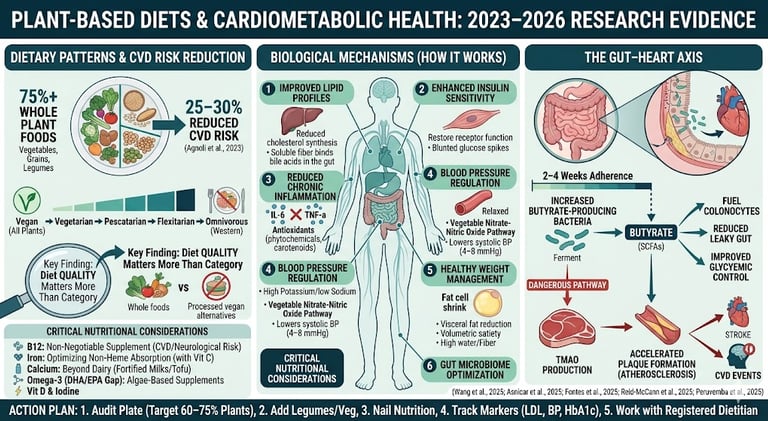
Is a plant-based diet better than an omnivorous diet for heart health?
A whole-food plant-based diet is linked to 25–30% lower cardiovascular disease risk, better LDL cholesterol, and improved blood pressure versus a typical Western omnivorous diet (Agnoli et al., 2023). But quality is key — a high-quality omnivorous diet can outperform a processed-food vegan diet for metabolic health (Fontes et al., 2025).
Over the past three years, research has changed how doctors think about plant-based diets. They’re no longer just a personal choice. They’re now a proven tool for protecting your heart and metabolism. A major 2023 review found that vegetarian and vegan diets lower your risk of heart disease by 25–30% compared to typical meat-heavy diets. The reason? Lower LDL cholesterol, better blood pressure, and less inflammation in your body (Agnoli et al., 2023).
But newer studies from 2025 add an important detail: food quality matters more than labels. A healthy diet with some fish or chicken can be better for you than a vegan diet filled with processed meat substitutes and refined snacks. One large European study found that ultra-processed foods — whether plant-based or not — increase your risk of heart disease. Whole, simple foods protect it (Fontes et al., 2025; The Lancet Regional Health – Europe, 2025).
Scientists also discovered how plants help your heart: they feed the good bacteria in your gut. These bacteria produce butyrate, a compound that reduces inflammation and helps regulate blood sugar. You can see these gut changes just weeks after eating more plants (Asnicar et al., 2025).
Worried about protein and muscle? A 2025 review of many studies shows that plant protein works just as well as animal protein for keeping muscle strong, as long as you eat enough of it (Reid-McCann et al., 2025).
The bottom line for 2026: Eating more plants can really help your heart, but how you do it counts. Focus on whole foods like beans, vegetables, fruits, nuts, and whole grains. If you go fully vegan, you must take B12. Even going “mostly plant-based” a few days a week makes a difference. It’s not about being perfect. It’s about choosing better, one meal at a time (Wang et al., 2025).
KEY TAKEAWAYS
✓ Plant-based diets demonstrate robust protective effects against cardiometabolic disease, with 25–30% reduced cardiovascular disease risk
✓ Vegetarian and vegan dietary patterns improve critical cardiometabolic markers, including LDL cholesterol, blood pressure, blood glucose, and inflammatory markers
✓ Gut microbiome changes represent an important but often-overlooked mechanism through which plant-based diets protect cardiovascular health
✓ Adherence to plant-based diets demonstrates dose-dependent benefits—greater dietary adherence yields greater cardiometabolic protection
✓ Successful plant-based diet adoption requires attention to vitamin B12, adequate plant-based protein, and sufficient micronutrient intake
✓ Omnivorous diets can support cardiometabolic health through mindful food choices emphasizing whole foods and limiting processed foods
✓ Flexitarian approaches combining predominantly plant-based eating with occasional animal products offer practical balance between health benefits and dietary sustainability
✓ Environmental benefits of plant-based diets align with health outcomes, making them sustainable choices for long-term disease prevention
1. What Is Cardiometabolic Disease?
Cardiometabolic disease is an umbrella term covering a cluster of interconnected conditions that affect both your heart and your metabolic system. Understanding these conditions is essential because they share root causes—and diet can modify almost all of them.
Conditions Included Under the Cardiometabolic Umbrella
• Coronary heart disease and heart failure
• Stroke and cerebrovascular disease
• Hypertension (high blood pressure)
• Type 2 diabetes mellitus
• Metabolic syndrome (a cluster of risk factors: abdominal obesity, high triglycerides, low HDL, elevated blood sugar, and high blood pressure)
• Dyslipidemia (abnormal LDL, HDL, and triglyceride levels)
Why this matters: According to the World Health Organization, cardiovascular diseases kill approximately 17.9 million people annually—accounting for 32% of all global deaths. Type 2 diabetes affects over 537 million adults worldwide, and these numbers are projected to worsen without meaningful lifestyle intervention.
2. How Plant-Based Diets Are Defined
Not all plant-based diets are created equal. The research literature distinguishes between several overlapping but distinct dietary patterns:
Vegan Diet
Includes: Vegetables, fruits, whole grains, legumes, nuts, seeds, and all plant-derived foods
Excludes: All animal products, including meat, fish, dairy, eggs, and honey
Lacto-Ovo Vegetarian Diet
Includes: Plant foods along with dairy products and eggs
Excludes: Meat, poultry, and fish
Pescatarian Diet
Includes: Plant-based foods plus fish and seafood; may also include dairy and eggs
Excludes: Red meat and poultry
Flexitarian Diet
Includes: Primarily plant-based foods with occasional consumption of animal products
Excludes: No foods are completely restricted
Omnivorous (Western-Style) Diet
Includes: All food groups, often with high intake of processed meats, refined carbohydrates, and sugary foods
Excludes: Nothing specifically excluded
Omnivorous (Whole-Food) Diet
Includes: Both plant and animal foods with emphasis on minimally processed, nutrient-dense foods
Excludes: Ultra-processed foods are limited
Key Scientific Insight
Research consistently shows that the greatest health benefits are associated with whole-food vegan and vegetarian dietary patterns.
Diets heavily dependent on ultra-processed plant-based alternatives—such as vegan burgers, meat substitutes, and refined snack products—appear to provide fewer metabolic and cardiovascular benefits.
3. Key Study Findings: 2023–2026 Research Summary
Below is a synthesis of the most important recent evidence. These are not cherry-picked findings—they represent the most methodologically robust research published in leading peer-reviewed journals.
Study 1: Vegetarian Diets Reduce CVD Risk by 25–30%
A landmark systematic review by Agnoli et al. (2023), published in Nutrition, Metabolism, and Cardiovascular Diseases, synthesized data across numerous large studies. Key findings included:
25–30% reduced cardiovascular disease risk compared to omnivorous diets
8–13% lower hypertension risk
Significantly improved LDL cholesterol and triglyceride profiles
Lower type 2 diabetes incidence and better glycemic control
Reduced obesity and better long-term weight management
Do plant-based diets reduce heart disease risk? Yes. According to a 2023 systematic review, vegetarian and vegan diets are associated with a 25–30% reduction in cardiovascular disease risk compared to omnivorous diets, driven by lower LDL cholesterol, better blood pressure control, and reduced inflammation.
Study 2: Plant-Based Diet Quality Matters for Metabolic Profiles
A 2025 study by Fontes et al. in Scientific Reports examined 442 adults and compared diet quality—not just diet category—across vegetarian and omnivorous groups. Their findings were illuminating:
Higher overall diet quality correlated with superior metabolic profiles regardless of whether participants ate animal products
Vegetarians with high-quality diets showed the best cardiovascular risk profiles
Omnivores with low-quality diets showed the worst metabolic markers
The quality of the diet matters as much as—and sometimes more than—the presence or absence of animal foods
Key Takeaway: A poorly planned vegan diet (heavy on refined carbohydrates and processed foods) can be metabolically worse than a high-quality omnivorous diet. Food quality is paramount.
Study 3: Adherence Is Dose-Dependent and Longitudinal
Wang et al. (2025) published a population-based cohort analysis in the American Journal of Clinical Nutrition tracking cardiometabolic parameters over time. This study provided critical data on how adherence level relates to outcomes:
Participants consuming >75% plant foods showed the greatest improvements in LDL cholesterol and systolic blood pressure
Improved insulin sensitivity was measurable within 6–12 months of consistent dietary change
Benefits appeared dose-dependent: partial adherence yielded partial benefits
Even a flexitarian approach—mostly plant-based with occasional animal products—produced meaningful improvements
Study 4: The NutriNet-Santé Cohort — Food Processing Is the Hidden Variable
A major 2025 longitudinal study in The Lancet Regional Health – Europe analyzed the French NutriNet-Santé cohort and introduced a critical nuance to the vegan vs. omnivore debate: food processing level is an independent cardiovascular risk factor.
Diets high in ultra-processed foods—whether plant-based or not—were associated with significantly higher CVD risk
A plant-rich diet based on minimally processed whole foods consistently outperformed all others
Both animal-based and plant-based ultra-processed foods elevated CVD risk
The study underscores that food processing level should be evaluated alongside the plant-to-animal food ratio
⚠️ Important Nuance
Not all vegan foods are heart-healthy. Vegan hot dogs, plant-based burgers, and processed snacks made from refined ingredients can still elevate cardiovascular risk. The protective effect of plant-based diets is tied specifically to whole, minimally processed plant foods.
Study 5: Environmental and Planetary Health Alignment
Peruvemba et al. (2025), publishing a scoping review in Current Atherosclerosis Reports, found that the dietary patterns most beneficial for cardiometabolic health are also those most beneficial for planetary health:
Vegan and vegetarian diets substantially reduce greenhouse gas emissions and land/water use
A Mediterranean-style vegetarian diet offered the optimal balance between health outcomes and real-world adoption
Even flexitarian approaches reduced environmental footprint significantly compared to high-meat Western diets
4. The 6 Biological Mechanisms Behind the Benefits
Understanding why plant-based diets improve cardiometabolic health—not just that they do—helps you make smarter food choices and motivates long-term adherence.
Mechanism 1: Improved Lipid Profiles. Plant-based diets are naturally low in saturated fat and contain no dietary cholesterol. This directly reduces LDL (“bad”) cholesterol synthesis in the liver. Soluble fiber from oats, beans, and legumes further lowers LDL by binding bile acids in the gut, forcing the liver to convert more cholesterol into bile.
Mechanism 2: Enhanced Insulin Sensitivity. High-fibre plant foods slow glucose absorption, blunt post-meal blood sugar spikes, and reduce insulin demand over time. This restores insulin receptor sensitivity and reduces the progressive insulin resistance that underlies type 2 diabetes and metabolic syndrome.
Mechanism 3: Reduced Chronic Inflammation. Fruits, vegetables, nuts, and whole grains are packed with phytochemicals—polyphenols, flavonoids, carotenoids—that suppress pro-inflammatory cytokines like IL-6 and TNF-alpha. Chronic low-grade inflammation is now recognized as a primary driver of atherosclerosis, heart disease, and metabolic dysfunction.
Mechanism 4: Blood Pressure Regulation. Plant foods are naturally higher in potassium and lower in sodium—a combination proven to lower blood pressure. Dietary nitrates in leafy greens convert to nitric oxide in the body, directly relaxing blood vessel walls. This “vegetable nitrate pathway” can reduce systolic blood pressure by 4–8 mmHg.
Mechanism 5: Healthy Weight Management. Whole plant foods are volumetrically satisfying with fewer calories per gram. High water and fiber content promote satiety, reducing total caloric intake without hunger. Adiposity—particularly visceral fat—is a major independent risk factor for cardiometabolic disease.
Mechanism 6: Gut Microbiome Optimization. This is perhaps the most exciting recent discovery—covered in depth in the next section.
5. The Gut–Heart Axis: A Game-Changing Discovery
One of the most significant advances in nutrition science over the last five years is the discovery of the gut-heart axis: the bidirectional communication between your gut microbiome and cardiovascular health. A 2025 Nature study by Asnicar et al. provided landmark evidence for this mechanism.
What the Research Found
Asnicar and colleagues examined associations between specific gut bacterial taxa, dietary interventions, and cardiometabolic markers in a large-scale study. Their key findings:
Individuals following plant-based diets harbored distinctly different gut microbiome profiles compared to omnivores
Plant-based diet followers had higher populations of butyrate-producing bacteria—including Faecalibacterium prausnitzii and Roseburia intestinalis
These bacterial communities correlated with improved glucose metabolism, lower systemic inflammation, and better cardiometabolic markers
Favorable shifts in microbial diversity appeared within weeks of increasing plant food consumption
Why Butyrate Matters for Your Heart
Butyrate is a short-chain fatty acid produced when gut bacteria ferment dietary fiber. It plays several critical cardiometabolic roles:
Fuels colonocytes (colon cells), maintaining gut barrier integrity and reducing “leaky gut”-driven systemic inflammation
Inhibits histone deacetylases (HDACs), reducing inflammatory gene expression
Improves insulin sensitivity and glucose uptake in peripheral tissues
Regulates appetite hormones like GLP-1 and PYY, supporting healthy body weight
TMAO: The Omnivore’s Gut Risk
Conversely, omnivorous diets—particularly those high in red meat—are associated with higher gut production of trimethylamine N-oxide (TMAO). This metabolite, produced when gut bacteria process L-carnitine and choline from meat, has been independently linked to atherosclerosis and cardiovascular events in multiple large studies. Plant-based eaters produce negligible TMAO.
6. Vegan vs. Non-Vegan Diets — Head-to-Head Evidence
LDL Cholesterol
Vegan/vegetarian diets: Significantly lower LDL levels
Flexitarian/pescatarian diets: Moderately lower LDL levels
Western omnivorous diets: Typically higher LDL levels
Triglycerides
Vegan/vegetarian diets: Lower triglyceride levels
Flexitarian/pescatarian diets: Lower triglyceride levels
Western omnivorous diets: Higher baseline triglyceride levels
Systolic Blood Pressure
Vegan/vegetarian diets: Approximately 4–8 mmHg lower
Flexitarian/pescatarian diets: Approximately 2–4 mmHg lower
Western omnivorous diets: Higher average blood pressure levels
Fasting Glucose
Vegan/vegetarian diets: Lower fasting glucose levels
Flexitarian/pescatarian diets: Slightly lower fasting glucose levels
Western omnivorous diets: Higher fasting glucose levels
Insulin Sensitivity
Vegan/vegetarian diets: Markedly improved insulin sensitivity
Flexitarian/pescatarian diets: Mild improvement in insulin sensitivity
Western omnivorous diets: Lower insulin sensitivity
Body Weight / BMI
Vegan/vegetarian diets: Lower average body weight and BMI
Flexitarian/pescatarian diets: Slightly lower BMI
Western omnivorous diets: Higher average BMI
C-Reactive Protein (CRP)
Vegan/vegetarian diets: Lower systemic inflammation
Flexitarian/pescatarian diets: Reduced inflammatory markers
Western omnivorous diets: Higher inflammatory burden
TMAO Production
Vegan/vegetarian diets: Very low TMAO production
Flexitarian/pescatarian diets: Low to moderate TMAO levels
Western omnivorous diets: Higher TMAO production
Gut Microbial Diversity
Vegan/vegetarian diets: Greater microbial diversity
Flexitarian/pescatarian diets: Greater microbial diversity
Western omnivorous diets: Reduced microbial diversity on typical Western dietary patterns
Overall Scientific Conclusion
Whole-food plant-based dietary patterns consistently demonstrate superior cardiometabolic benefits.
Benefits include lower LDL cholesterol, improved insulin sensitivity, reduced inflammation, healthier body weight, and greater gut microbiome diversity compared with standard Western dietary patterns.
Sources: Agnoli et al. (2023); Wang et al. (2025); Asnicar et al. (2025); Fontes et al. (2025); Alblaji (2026).
7. Muscle Mass, Protein, and Sarcopenia: The New Debate
One of the most important emerging questions is whether plant-based diets adequately support muscle mass, strength, and physical performance—especially as we age. This is not merely an aesthetic concern: sarcopenia (age-related muscle loss) is independently linked to cardiovascular mortality, diabetes, and falls.
What a 2025 Meta-Analysis Found
A systematic review and meta-analysis by Reid-McCann et al. (2025), published in Nutrition Reviews, analyzed randomized controlled trials comparing plant vs. animal protein effects on muscle outcomes. Key findings:
Plant protein sources (soy, pea, legumes) produced comparable muscle protein synthesis responses when leucine content and total protein intake were matched to animal sources
Animal protein showed a modest advantage in studies not controlling for total protein intake and leucine content—suggesting the gap is nutritional optimization, not an inherent biological inferiority of plant protein
Older adults (≥65) may need higher total protein intake (1.2–1.6 g/kg body weight) to compensate for the lower digestibility of some plant proteins
Resistance training combined with adequate plant protein intake produced comparable muscle gains to animal protein in multiple trials
💪 Practical Implication
If you follow a vegan or vegetarian diet, prioritize leucine-rich plant proteins (soy, edamame, lentils, quinoa) and consider spreading protein intake across 4–5 meals to maximize muscle protein synthesis throughout the day. A total daily intake of 1.2–1.6 g/kg body weight is a reasonable target.
8. Critical Nutritional Considerations
A well-planned plant-based diet can meet virtually all nutritional needs—but several nutrients require deliberate attention. Ignoring these can undermine both the cardiovascular and overall health benefits of plant-based eating.
Vitamin B12: Non-Negotiable Supplementation
Risk level: CRITICAL for vegans; moderate for vegetarians.
Vitamin B12 is found almost exclusively in animal foods. Deficiency develops slowly but can cause irreversible neurological damage, megaloblastic anaemia, and elevated homocysteine, a recognized independent risk factor for cardiovascular disease and stroke.
Recommended: Supplement with cyanocobalamin 250–500 mcg/day OR 2,500 mcg/week
Vegetarians who consume dairy and eggs regularly may get adequate B12, but monitoring is still recommended
Regular blood testing (serum B12 and methylmalonic acid) every 1–2 years is advised
Iron: Optimizing Non-Heme Absorption
Risk level: Moderate, particularly for premenopausal women.
Plant foods contain non-heme iron, which has lower bioavailability than heme iron from meat. However, absorption is highly variable and can be dramatically improved:
Always pair iron-rich foods (lentils, spinach, tofu, pumpkin seeds) with Vitamin C sources (bell peppers, citrus, tomatoes)
Avoid drinking tea or coffee within 1 hour of iron-rich meals (tannins inhibit absorption)
Cook in cast-iron cookware to slightly increase dietary iron
Consider periodic ferritin and hemoglobin monitoring
Calcium: Beyond Dairy
Risk level: Moderate for vegans.
Excellent plant sources: calcium-set tofu, fortified plant milks, tempeh, kale, bok choy, almonds, white beans
Aim for 1,000–1,200 mg/day from food and supplements combined
Pair with adequate Vitamin D for optimal absorption
Omega-3 Fatty Acids: The DHA/EPA Gap
Risk level: Moderate to significant for strict vegans.
ALA from flaxseeds, walnuts, and chia seeds is converted to EPA and DHA in the body, but conversion rates are low (typically 5–10%). DHA and EPA are the forms most relevant to cardiovascular and neurological health.
Solution: Algae-based omega-3 supplements (the source of marine omega-3s) provide direct EPA and DHA
Recommended dose: 250–500 mg DHA + EPA daily from algal oil
Vitamin D and Iodine
Vitamin D: synthesized from sunlight but often deficient globally; supplement with 1,000–2,000 IU/day, especially in low-sun climates
Iodine: most plant foods are low in iodine; use iodised salt or take a multivitamin containing 150 mcg iodine
Key Nutrients Requiring Attention in Vegan Diets
Vitamin B12
Risk level: Critical
Best plant-based sources: Fortified foods only
Recommended supplementation: 250–500 mcg/day of cyanocobalamin
Iron
Risk level: Moderate
Best plant-based sources: Lentils, tofu, pumpkin seeds, legumes
Supplement recommendation: Consider supplementation if ferritin levels are low; combine iron-rich foods with vitamin C to enhance absorption
Calcium
Risk level: Moderate
Best plant-based sources: Fortified plant milks, calcium-set tofu, kale, leafy greens
Recommended supplementation: 500–600 mg/day if dietary intake is insufficient
DHA/EPA Omega-3 Fatty Acids
Risk level: Moderate
Best plant-based sources: Algae-based foods and small amounts of seaweed
Recommended supplementation: 250–500 mg/day of algal oil
Vitamin D
Risk level: Low to moderate
Best plant-based sources: Fortified foods and UV-exposed mushrooms
Recommended supplementation: 1,000–2,000 IU/day of vitamin D3
Iodine
Risk level: Low to moderate
Best plant-based sources: Seaweed (variable iodine content) and iodized salt
Recommended supplementation: Approximately 150 mcg/day, often via a multivitamin
Zinc
Risk level: Low
Best plant-based sources: Pumpkin seeds, legumes, whole grains, nuts
Supplement recommendation: Usually adequate with a well-balanced and varied plant-based diet
9. How to Optimize Any Diet for Cardiometabolic Health
For Vegan and Vegetarian Diets
Build meals around legumes (beans, lentils, chickpeas) as your primary protein base—aim for at least 1 cup/day.
Fill half your plate with non-starchy vegetables at every meal.
Choose whole grains (oats, quinoa, barley, brown rice) over refined carbohydrates.
Include a variety of nuts and seeds daily for healthy fats, protein, and micronutrients.
Take B12 daily—this is not optional.
Add an algal omega-3 supplement for DHA and EPA.
Use fortified plant milks and calcium-rich vegetables to meet calcium needs.
Limit ultra-processed plant-based products; read labels for sodium and saturated fat.
For Flexitarians and Omnivores Seeking Cardiometabolic Benefits
Aim for at least 5 plant-based meals per week—even partial adoption produces measurable benefits.
When eating animal products, prioritize fish (especially oily fish like salmon, sardines, mackerel), poultry, and eggs over red and processed meats.
Strictly limit processed meats (sausages, bacon, deli meats)—these carry the highest CVD risk among animal foods.
Replace saturated fats (butter, lard) with olive oil, avocado, and nut-based fats.
Increase dietary fiber to at least 30 g/day through vegetables, fruits, legumes, and whole grains.
Minimize ultra-processed foods regardless of their plant or animal origin.
10.7-day whole-food plant-based sample meal plan
Monday
Breakfast: Oat porridge paired with flaxseed and fresh blueberries.
Lunch: Hearty lentil soup served with whole-grain bread and a crisp spinach salad.
Dinner: Savory stir-fried tofu tossed with broccoli and served over brown rice.
Tuesday
Breakfast: Creamy chia pudding topped with sweet mango slices and walnuts.
Lunch: A nourishing chickpea and roasted vegetable bowl drizzled with tahini dressing.
Dinner: Black bean tacos loaded with avocado and fresh salsa, served in corn tortillas.
Wednesday
Breakfast: A vibrant green smoothie blending banana, fresh spinach, plant-based pea protein, and unsweetened almond milk.
Lunch: A refreshing quinoa salad mixed with cucumber, tomato, edamame, and a zesty lemon dressing.
Dinner: Warmly spiced red lentil dal paired with roasted cauliflower and a whole-wheat flatbread.
Thursday
Breakfast: Sprouted whole-grain toast slathered with natural peanut butter and banana coins.
Lunch: A flavorful hummus wrap packed with roasted bell peppers and peppery arugula.
Dinner: Cubed tempeh stir-fry cooked with bok choy and fresh ginger, served alongside classic soba noodles.
Friday
Breakfast: Convenient overnight oats layered with chia seeds and tart pomegranate seeds.
Lunch: A comforting white bean and kale soup accompanied by a slice of crusty sourdough.
Dinner: An aromatic veggie curry combining chickpeas and sweet potatoes, served over a bed of basmati rice.
Saturday
Breakfast: A savory tofu scramble seasoned with anti-inflammatory turmeric and mixed peppers, served with whole-grain toast.
Lunch: Baked falafel paired with fresh tabbouleh salad, a warm pita pocket, and a cucumber-yoghurt dip (utilizing vegan yogurt if strict plant-based).
Dinner: Large bell peppers stuffed with a hearty mixture of seasoned quinoa and black beans, finished with an rich tomato sauce.
Sunday
Breakfast: Fluffy, nutrient-dense buckwheat pancakes topped with rich almond butter and mixed berries.
Lunch: A Mediterranean grain bowl tossed with kalamata olives and your choice of traditional feta or an almond-based vegan cheese.
Dinner: A comforting vegetable lasagna made with whole-food pasta, layered with a rich cashew-nut bechamel sauce and served with a fresh side salad.
10. Common Myths and Mistakes
Myth 1: “You can’t get enough protein on a vegan diet.”
FALSE. Numerous randomized controlled trials confirm that plant-based diets can fully meet protein requirements when a variety of legumes, whole grains, nuts, seeds, and soy products are consumed. The 2025 Reid-McCann meta-analysis confirmed comparable muscle outcomes when total protein and leucine intake are optimized.
Myth 2: “All vegan foods are automatically heart-healthy.”
FALSE. The NutriNet-Santé cohort study (2025) clearly demonstrated that ultra-processed plant-based foods carry significant cardiovascular risk. Vegan hot dogs, processed meat substitutes, vegan pastries, and refined snack foods can worsen metabolic markers. Whole-food quality is the key variable.
Myth 3: “Once I go vegan, I don’t need supplements.”
DANGEROUS. Vitamin B12 supplementation is medically mandatory for vegans. Deficiency is insidious, building slowly over years before producing irreversible neurological damage. Additionally, algal DHA/EPA, vitamin D, and iodine supplementation are strongly recommended for most vegans.
Myth 4: “Plant-based diets are always better than any omnivorous diet.”
OVERSIMPLIFIED. The Fontes et al. (2025) study showed that a high-quality omnivorous diet—rich in whole plant foods, oily fish, and low in processed foods—can achieve cardiometabolic marker profiles comparable to or better than a low-quality vegan diet. Diet quality is the dominant variable, not categorical inclusion or exclusion of animal products.
Myth 5: “You need to go fully vegan to see heart health benefits.”
FALSE. Wang et al. (2025) found that even partial adherence to plant-based eating—consuming >50% of calories from whole plant foods—produced measurable improvements in LDL, blood pressure, and blood glucose within 6–12 months. A flexitarian approach is a valid and evidence-supported path.
11. Frequently Asked Questions
Q1: Does a vegan diet definitely prevent heart disease?
A vegan diet is strongly associated with reduced cardiovascular disease risk—approximately 25–30% lower than omnivorous diets in large systematic reviews. However, this protective effect depends critically on diet quality. A whole-food vegan diet maximizes benefits; a processed-food vegan diet does not.
Q2: How long does it take to see cardiometabolic improvements on a plant-based diet?
Research shows measurable improvements in LDL cholesterol, systolic blood pressure, and insulin sensitivity within 6–12 months of consistent plant-based eating. Some markers—like blood glucose and inflammatory markers—may improve more rapidly within 4–8 weeks when high-quality whole foods replace processed options.
Q3: Is it safe to raise children on a vegan diet?
Yes, but medical supervision and careful nutritional planning are essential. The Academy of Nutrition and Dietetics states that well-planned vegan diets are appropriate at all life stages, including infancy and childhood. However, B12, vitamin D, iron, calcium, and DHA supplementation are critical and must be monitored with regular pediatric check-ups.
Q4: What’s the best plant-based protein for muscle building?
Soy protein (from tofu, tempeh, edamame) is the most complete plant protein, with a leucine content and amino acid profile closest to whey. Pea protein is an excellent second option. Combining different plant proteins throughout the day (legumes + grains + nuts + seeds) ensures complete amino acid coverage even without soy.
Q5: Can I reverse type 2 diabetes with a plant-based diet?
Multiple studies show that low-fat plant-based diets can significantly improve glycemic control, reduce HbA1c, and in some cases achieve diabetes remission—particularly when combined with caloric restriction and weight loss. A 2020 systematic review found plant-based diets reduced HbA1c by approximately 0.55%, a clinically meaningful improvement. Always work with your physician and a registered dietitian to manage diabetes safely.
Q6: Do I need to eat organic food for the best cardiometabolic outcomes?
No. The evidence base for cardiometabolic benefits of plant-based diets does not require organic food. The key variable is the shift from ultra-processed foods and animal products toward whole, minimally processed plant foods. Conventional fruits and vegetables still carry the same fiber, phytonutrient, and micronutrient benefits.
Q7: Is a Mediterranean diet as good as a vegan diet for heart health?
The Mediterranean diet—predominantly plant-based but including olive oil, fish, and moderate dairy—has an extremely robust evidence base for cardiovascular protection. Vegan diets may show modestly greater LDL reductions, while the Mediterranean pattern may be easier to sustain long-term for many people. The evidence supports both as superior to a typical Western omnivorous diet.
Q8: What about vegans who still have high cholesterol?
Several factors can prevent LDL reduction on a vegan diet: high intake of tropical oils (coconut, palm oil), excess refined carbohydrates, low dietary fiber, genetic hyperlipidemia (familial hypercholesterolemia), and hypothyroidism. A thorough dietary analysis with a registered dietitian and medical evaluation with a physician is warranted in this scenario.
Q9: Does intermittent fasting add benefits on top of a plant-based diet?
Preliminary evidence suggests intermittent fasting (particularly time-restricted eating) may complement plant-based diets by further improving insulin sensitivity, reducing visceral fat, and enhancing gut microbiome circadian rhythmicity. However, this combination has not been studied in large-scale RCTs specifically. Individuals with diabetes or eating disorder history should consult their physician before attempting fasting protocols.
Q10: Are plant-based meat substitutes (Impossible Burger, Beyond Meat) heart-healthy?
The evidence is mixed. While these products eliminate heme iron and animal saturated fat, they are typically high in sodium (400–800 mg per serving) and may contain coconut oil (high in saturated fat). They are useful for transitioning from meat but should not form the core of a heart-health-focused plant-based diet. Whole food plant proteins remain the gold standard.
Q11: Should older adults (65+) be concerned about going vegan?
Older adults face higher risks of B12 deficiency, muscle loss (sarcopenia), bone density reduction, and nutrient malabsorption. A vegan diet is feasible but requires more careful planning: higher protein targets (1.2–1.6 g/kg/day), B12 supplementation, calcium + vitamin D optimization, and resistance exercise to maintain muscle mass. Medical monitoring is strongly recommended.
Q12: Is the gut microbiome benefit of plant-based diets reversible?
Yes, in both directions. Microbiome shifts toward butyrate-producing bacteria occur relatively rapidly (within 2–4 weeks) when fiber intake increases. Conversely, returning to a low-fiber, high-meat diet quickly diminishes these beneficial microbial communities. This reinforces the importance of long-term dietary adherence rather than periodic plant-based “cleanse” approaches.
12. Clinical pearls
1. The Homocysteine Rebound (Vitamin B12)
Scientific Paradigm: Strict adherence to a vegan diet without exogenous cobalamin (B12) supplementation induces a functional deficiency that elevates serum homocysteine. High homocysteine levels trigger endothelial cell dysfunction and oxidative stress, accelerating atherogenesis and paradoxically multiplying cardiovascular and stroke risks, which negates the lipid-lowering benefits of a plant-based diet.
\If you go fully vegan and skip your Vitamin B12 supplement, your body builds up a harmful byproduct called homocysteine. This compound acts like sandpaper on the inside of your blood vessels, scraping the walls and making it much easier for dangerous plaques to form. Going vegan without taking B12 can actually increase your risk of a stroke or heart attack.
2. The Satiety vs. Saturated Fat Trade-off (Tropical Oils)
Scientific Paradigm: The replacement of animal fats with plant-derived ultra-processed meat alternatives often introduces high quantities of tropical oils (specifically coconut and palm oil). These oils are dense in medium- and long-chain saturated fatty acids (such as lauric and palmitic acids), which upregulate hepatic LDL receptor degradation, increasing circulating LDL cholesterol and ApoB-containing particles despite the absence of dietary cholesterol.
Just because a food is "plant-based" or vegan doesn't mean it clears out your arteries. Many frozen vegan burgers and processed cheeses are loaded with coconut oil to make them taste juicy. Coconut oil is a highly saturated fat that prompts your liver to pump out more LDL ("bad") cholesterol. For a healthy heart, stick to whole fats like avocados, walnuts, and extra-virgin olive oil.
3. Epigenetic Cardioprotection via the Gut-Heart Axis (Butyrate)
Scientific Paradigm: The cardiometabolic efficacy of a plant-based diet is highly dependent on microbial fermentation of prebiotic non-digestible carbohydrates into short-chain fatty acids (SCFAs), primarily butyrate. Butyrate acts as a histone deacetylase (HDAC) inhibitor, downregulating pro-inflammatory cytokine pathways (IL-6, TNF-alpha) and maintaining gut mucosal barrier integrity to prevent metabolic endotoxemia-induced vascular inflammation.
Think of fiber as fuel for a highly specialized pharmacy inside your stomach. When you eat beans, oats, and veggies, your good gut bacteria feast on that fibre and create a powerful compound called butyrate. Butyrate acts like a soothing balm for your digestive lining, sealing it shut so harmful toxins can’t leak into your blood and cause the inflammation that stiffens your heart's arteries.
4. The Leucine Threshold for Muscle Preservation (Sarcopenia)
Scientific Paradigm: To mitigate age-related sarcopenia on a plant-based diet, total daily protein intake must be around 1.2–1.6 g/kg/day and distributed to meet the "leucine trigger" (3 g of leucine per bolus meal). While plant proteins exhibit lower kinetics of muscle protein synthesis due to lower digestibility and limiting amino acids, matching total leucine and essential amino acid profiles yields identical muscular hypertrophy and strength outcomes compared to animal-derived isolates.
Patient Translation: As we get older, keeping our muscle mass is a vital shield against heart failure and diabetes. You can absolutely build and protect your muscles on a vegan diet, but you have to be more strategic. Plant protein is a bit harder for the body to absorb, so you need to eat slightly more of it and focus on leucine-rich plant foods—like soy, edamame, and lentils—spread evenly throughout the day to properly signal your muscles to grow.
5. Endothelial Vasodilation via the Nitrate Pathway
Scientific Paradigm: Dietary inorganic nitrate, abundant in leafy green vegetables utilizes the entero-salivary nitrate-nitrite-nitric oxide pathway to undergo systematic reduction into bioactive nitric oxide. This molecule stimulates soluble guanylyl cyclase in vascular smooth muscle cells, causing smooth muscle relaxation and immediate vasodilation, clinically manifesting as a robust reduction in systolic blood pressure (4 to 8 mmHg).
Eating dark leafy greens like spinach, arugula, and kale acts like an all-natural blood pressure medication. These plants are rich in natural nitrates. When you chew them, your saliva helps convert those nitrates into a magical gas called nitric oxide. Nitric oxide signals your stiff, stressed-out blood vessels to completely relax and widen, which naturally lowers your blood pressure within hours.
6. The Processing Paradox (Diet Quality over Category)
Scientific Paradigm: Cardiometabolic risk reduction is non-linear and operates on a spectrum of food structure rather than categorical food group exclusions. Epidemiological data confirm that a high-quality, whole-food omnivorous or Mediterranean diet (rich in phytochemicals, fiber, and marine omega-3s; low in refined carbohydrates) yields superior metabolic biomarkers, improved insulin sensitivity, and lower systemic inflammation than a low-quality, ultra-processed vegan diet.
Labeling your diet "vegan" or "omnivore" doesn't automatically dictate how healthy your heart is. A person who eats a clean "Mediterranean-style" diet with plenty of vegetables, berries, olive oil, and occasional wild salmon will have a much healthier heart and better blood sugar than a vegan who lives on processed white bread, vegan chips, and sugary meat substitutes. The quality of the food matters infinitely more than the label on the diet.
13. Conclusion and Your Action Plan
The evidence from 2023–2026 delivers a clear and consistent message: whole-food plant-based diets—whether fully vegan, vegetarian, or predominantly plant-based flexitarian—offer significant and quantifiable protection against cardiometabolic disease. A 25–30% reduction in CVD risk, lower LDL cholesterol, better blood pressure control, improved insulin sensitivity, and a healthier gut microbiome are not marginal benefits. They are clinically meaningful outcomes that can add healthy years to your life.
But the research also teaches us nuance. Diet quality—not merely the presence or absence of animal products—is the dominant variable. A poorly planned vegan diet built on processed substitutes and refined carbohydrates will not deliver these outcomes. And for those who cannot or choose not to go fully plant-based, a flexitarian or high-quality omnivorous approach that emphasizes whole foods, abundant vegetables and legumes, and minimal processed meat can still substantially reduce cardiometabolic risk.
✅ Your 5-Step Action Plan
Step 1: Audit Your Plate
Take an objective look at your meals and estimate what percentage of your current diet comes from whole plant foods.
Establish a realistic, data-driven goal to ensure that 60–75% of your total intake consists of whole plants within the next 3 months.
Step 2: Add Before You Subtract
Avoid the feeling of restriction by focusing on inclusion first: actively add more legumes, vegetables, fruits, and whole grains to your daily meals.
By shifting your focus to packing your plate with vibrant plant foods first, you naturally crowd out less healthy options and substantially reduce any feeling of deprivation.
Step 3: Nail Your Nutrition Essentials
If you are adopting a strict vegan pattern, begin taking a targeted Vitamin B12 supplement today.
Incorporate a daily algal-based omega-3 supplement to support cardiovascular tissue health.
Proactively assess your baseline Vitamin D status and make a habit of utilizing iodized salt to maintain optimal nutritional adequacy.
Step 4: Track Your Cardiometabolic Markers
Schedule a standard clinical panel with your physician to establish a clear baseline for your LDL cholesterol, resting blood pressure, fasting blood glucose, and HbA1c.
Commit to a follow-up screening exactly 6 months later to precisely track your biological improvements and structural progress.
Step 5: Work with a Registered Dietitian
Partner with a qualified registered dietitian to build a personalized, long-term nutrition framework tailored to your unique metabolism.
Utilize their expert guidance to safely maximize your cardiovascular outcomes and identify any potential micronutrient deficiencies early on.
The science is clear. The next step is yours.
⚠️ Medical Disclaimer: This article is for informational and educational purposes only. It does not constitute medical advice. Individual health circumstances vary considerably. All dietary changes—particularly those involving nutritional supplementation or management of existing medical conditions—should be discussed with a qualified physician or registered dietitian.
Related Articles
Rethinking Dietary Fat Through a Longevity Lens: Mitochondria, Autophagy, and Aging
De Novo Lipogenesis Explained: How Sugar Turns Into Liver Fat and High Triglycerides
Rethinking Dietary Fats: What New Research Reveals About Plant vs. Animal Fats | DR T S DIDWAL
What’s New in the 2025 Blood Pressure Guidelines? A Complete Scientific Breakdown | DR T S DIDWAL
Low-Fat vs. Low-Carb: Which Diet is Best for Weight Loss? | DR T S DIDWAL
References
Agnoli, C., Baroni, L., Bertini, I., Ciappuccini, R., De Matteis, A., Fabbri, A., & Giulietti, M. (2023). A comprehensive review of healthy effects of vegetarian diets. Nutrition, Metabolism, and Cardiovascular Diseases, 33(7), 1308–1315. https://doi.org/10.1016/j.numecd.2023.04.005
Alblaji, M. (2026). Plant-based diets for human health with implications for cardiometabolic health, gut microbiome, and nutritional adequacy. Frontiers in Nutrition, 13, Article 1830797. https://doi.org/10.3389/fnut.2026.1830797
Asnicar, F., Manghi, P., Fackelmann, G., & Segata, N. (2025). Gut micro-organisms associated with health, nutrition and dietary interventions. Nature, 638, 215–223. https://doi.org/10.1038/s41586-025-09854-7
Fontes, T., Lopes, S., Cebola, M., & Santos, C. (2025). The influence of vegetarian and omnivorous diet quality on metabolic profiles and cardiovascular risk. Scientific Reports, 15, Article 35776. https://doi.org/10.1038/s41598-025-09421-0
International Diabetes Federation. (2023). IDF diabetes atlas (10th ed.).
Kahleova, H., Barnard, N. D., Hejna, J., Sutton, M., & Holubkov, R. (2020). A plant-based diet in overweight individuals in a 16-week randomized clinical trial: Metabolic benefits of plant protein. Nutrition & Diabetes, 10, Article 52.
Ornish, D., Brown, S. E., Scherwitz, L. W., Billings, J. H., Armstrong, W. T., Ports, T. A., McLanahan, S. M., Kirkeeide, R. L., Brand, R. J., & Gould, K. L. (1990). Can lifestyle changes reverse coronary heart disease? The Lancet, 336(8708), 129–133. https://doi.org/10.1016/0140-6736(90)91656-U
Peruvemba, S., Martinez, R., Sabáé, J., & Thompson, L. (2025). Diets for dual cardiovascular and planetary health: A scoping review. Current Atherosclerosis Reports, 27, Article 122. https://doi.org/10.1007/s11883-025-01344-5
Position of the Academy of Nutrition and Dietetics: Vegetarian diets. (2016). Journal of the Academy of Nutrition and Dietetics, 116(12), 1970–1980. https://doi.org/10.1016/j.jand.2016.09.025
Reid-McCann, R. J., Brennan, S. F., Ward, N. A., Logan, D., McKinley, M. C., & McEvoy, C. T. (2025). Effect of plant versus animal protein on muscle mass, strength, physical performance, and sarcopenia: A systematic review and meta-analysis of randomized controlled trials. Nutrition Reviews, 83(7), e1581–e1603. https://doi.org/10.1093/nutrit/nuae200
Satija, A., Bhupathiraju, S. N., Rimm, E. B., Woo, K., Malik, F., Willett, W. C., & Hu, F. B. (2016). Plant-based dietary patterns and incidence of type 2 diabetes in US men and women: Results from three prospective cohort studies. PLOS Medicine, 13(6), Article e1002039.
The Lancet Regional Health – Europe. (2025). Cardiovascular disease risk and the balance between animal-based and plant-based foods, nutritional quality, and food processing level in the French NutriNet-Santé cohort: A longitudinal observational study. The Lancet Regional Health – Europe, 48, Article 100982. https://doi.org/10.1016/S2666-7762(25)00262-5
Wang, T., Masedunskas, A., Willett, W. C., & Fontana, L. (2023). Vegetarian and vegan diets: Benefits and drawbacks. European Heart Journal, 44(36), 3423–3439. https://doi.org/10.1093/eurheartj/ehad436
Wang, X. J., Steur, M., Kavousi, M., & Voortman, T. (2025). Adherence to plant-based diets and long-term changes in cardiometabolic markers: A longitudinal analysis in a population-based cohort. American Journal of Clinical Nutrition, 122(2), 424–432. https://doi.org/10.1016/j.ajcnut.2025.05.012
World Health Organization. (2023). Cardiovascular diseases (CVDs) (WHO Fact Sheet).
Written and reviewed by: Dr T.S. Didwal, M.D. | Evidence-Based Nutrition | Last Updated: 2026